
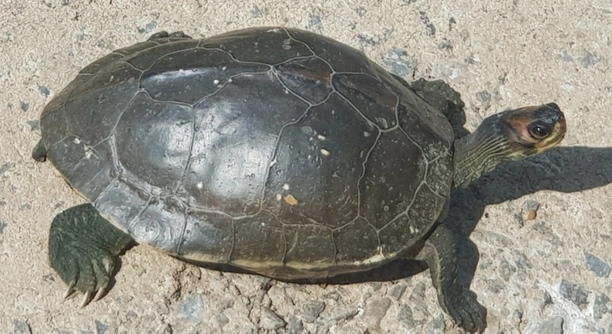
Tortoises are fascinating creatures, but maintaining their well-being requires attention to detail. One concern is ensuring the shell remains healthy, as cracks can lead to serious problems. Here’s how to help prevent that.
The risk of shell cracks in Indian roofed tortoises can be reduced by providing proper diet, a suitable habitat, regular health checks, and avoiding physical trauma. Proper care ensures stronger shells, reducing the likelihood of fractures or cracks.
By understanding the essential factors that contribute to shell health, you can create a safer environment for your tortoise. These tips will help you keep your tortoise thriving and reduce the chances of shell damage.
Providing a Proper Diet
A balanced diet is essential for your tortoise’s health, including its shell. Feeding your Indian roofed tortoise a variety of fresh, nutritious foods will provide the vitamins and minerals needed for strong shell development. Leafy greens like kale, dandelion greens, and collard greens should make up the majority of their diet. Additionally, fruits such as papaya, strawberries, and bananas can be given in moderation as treats. Proper calcium intake is crucial for shell health, so offering a calcium supplement or cuttlebone will help prevent shell deformities.
Feeding them a diet rich in fiber and low in protein helps them digest their food properly. Proper hydration also plays a role in maintaining a healthy shell, so ensure your tortoise has access to fresh water at all times.
Monitor the amount of high-protein foods you give your tortoise, as excessive protein can lead to growth problems and shell issues. A balanced diet strengthens the tortoise’s shell, making it less prone to cracks and damage. Keeping a close eye on what they eat is key to preventing health problems.
Providing a Safe and Suitable Habitat
Creating a proper habitat for your tortoise is a key factor in shell health. Ensure the enclosure has enough space for the tortoise to move freely. A cramped environment can cause stress and physical injury to the shell. The habitat should have areas to bask under a heat source and cooler zones for them to rest.
Humidity and temperature play an important role in your tortoise’s shell health. A temperature range of 85-90°F (29-32°C) during the day and a cooler night temperature of around 75°F (24°C) is ideal for their well-being. Proper humidity levels will help prevent dehydration, which can make their shells brittle. Adjust the environment according to the weather, and provide hiding spots where the tortoise can retreat to feel safe.
A clean, dry, and spacious enclosure reduces the risk of injuries and encourages natural behaviors. This will keep the tortoise active, which is essential for maintaining strong bones and shells.
Regular Health Checks
Regular health checks help identify any potential problems early, including issues with the shell. Look for signs of cracks, discoloration, or softness, which could indicate a health issue. Take your tortoise to a vet who specializes in reptiles for routine checkups, ensuring its shell stays strong.
A vet can also provide advice on how to care for the tortoise’s shell, recommending necessary treatments or adjustments to their diet or environment. It’s important to stay ahead of any possible health concerns, as early detection can prevent bigger issues from developing.
If a crack or injury is noticed, it’s crucial to address it immediately. A vet may suggest specific treatments like antibiotics or a protective coating. Avoiding delays in care will minimize the risk of infection or further damage to the shell. Regular health checks will give you peace of mind and ensure your tortoise’s shell stays intact.
Avoiding Physical Trauma
Physical trauma, whether from accidents or rough handling, is a common cause of shell cracks. Always handle your tortoise gently, supporting its body and avoiding any sudden drops or falls. Avoid placing heavy objects in the tortoise’s habitat that could crush or injure it.
If you have other pets, keep them separate from your tortoise. Predatory animals can unintentionally harm your tortoise with a bite or scratch. Even playful interactions with larger animals can lead to physical damage. Ensuring the safety of your tortoise is critical to preventing injuries that might result in cracked shells.
The enclosure should be free of sharp objects or anything that could hurt the tortoise. A smooth, clean environment helps avoid unnecessary accidents. With careful handling and a secure habitat, you can prevent many traumatic injuries, ensuring the tortoise’s shell remains intact and healthy.
Managing Stress Levels
Stress can weaken your tortoise’s shell over time. Ensure its environment is calm, avoiding loud noises or sudden temperature changes that might cause anxiety. Stress can lead to a weakened immune system, making the tortoise more vulnerable to shell issues.
A stable routine, with regular feeding times and minimal disruptions, helps reduce stress. Providing hiding spots and areas to retreat to makes the tortoise feel safe. A quiet, secure space is essential for its well-being and shell health. Stress can be damaging in ways that aren’t always obvious, so creating a peaceful environment will make a difference.
Proper Hydration
Your tortoise’s shell health is closely linked to proper hydration. Always make sure there is clean, fresh water available in its habitat. Hydration helps maintain the elasticity of the shell, preventing it from becoming dry or brittle.
Make sure your tortoise is drinking enough water regularly, especially during warmer months. A shallow water dish is ideal, allowing your tortoise to drink comfortably. You can also mist its enclosure occasionally to maintain humidity levels, helping your tortoise stay hydrated. Good hydration supports its overall health, including shell strength.
Sunlight and Vitamin D3
Sunlight is vital for a tortoise’s health, particularly for shell development. Natural sunlight helps the tortoise produce vitamin D3, which is necessary for calcium absorption. Without adequate vitamin D3, the tortoise may develop a soft or weak shell.
Ensure your tortoise has access to natural sunlight or a UVB light source in its habitat. This will allow it to properly absorb calcium and maintain strong shell bones. Too little sunlight can cause calcium deficiencies, leading to potential shell deformities or cracks. Make sure the UVB light is the proper distance from the tortoise and replaced regularly to maintain effectiveness.
FAQ
What causes shell cracks in Indian roofed tortoises?
Shell cracks in Indian roofed tortoises can be caused by several factors, including physical trauma, poor diet, and improper habitat conditions. Accidents like falls, collisions with hard surfaces, or rough handling can lead to cracks. A lack of essential nutrients, such as calcium and vitamin D3, can also weaken the shell, making it more prone to damage. Additionally, a stressful environment with fluctuating temperatures or inadequate humidity can impact the tortoise’s overall health, including its shell.
How can I prevent shell cracks in my tortoise?
Prevention of shell cracks begins with providing a balanced diet rich in calcium, vitamin D3, and fiber. Ensuring your tortoise’s habitat is spacious, secure, and free from sharp objects will help avoid physical trauma. Regular health checks and monitoring for any signs of shell damage are key to catching issues early. Proper handling, along with maintaining the right temperature and humidity levels, also play an important role in preventing shell problems.
How do I know if my tortoise’s shell is unhealthy?
An unhealthy shell may show signs like cracks, soft spots, discoloration, or unusual growth patterns. If the shell feels soft or spongy, this could indicate a calcium deficiency. Any significant change in color, such as yellowing or darkening, can be a sign of illness or dehydration. Regularly inspecting your tortoise’s shell and body will help you spot any potential problems early on.
Is it safe to bathe my tortoise?
Yes, bathing your tortoise is safe and can be beneficial for hydration. Make sure the water is lukewarm and not too deep, just enough for the tortoise to soak and drink. Bathing helps to keep the tortoise hydrated and encourages healthy shedding of the scutes on its shell. It also promotes good hygiene, which can prevent skin infections or issues related to the shell.
How often should I check my tortoise’s shell for cracks?
It’s best to inspect your tortoise’s shell regularly, ideally once a week. Checking frequently ensures that you catch any potential issues early, allowing for prompt treatment. Look for signs of injury or stress, such as cracks, unusual growth, or discoloration. By staying consistent with these checks, you can prevent minor issues from developing into serious health concerns.
What should I do if my tortoise has a crack in its shell?
If you notice a crack in your tortoise’s shell, it’s important to take action immediately. First, clean the area gently with warm water and check for signs of infection. If the crack is minor, it may heal on its own, but you should still consult a vet to ensure it’s not infected. In more severe cases, the vet may recommend a specialized treatment or shell repair procedure to prevent further damage.
Can a tortoise’s shell heal after it has cracked?
Yes, a tortoise’s shell can heal after a crack, but the process can be slow. Minor cracks may repair themselves with time, especially if the tortoise is kept in a stress-free environment and given proper care. However, it’s crucial to ensure the tortoise gets a diet high in calcium and vitamin D3 to support shell growth and healing. In some cases, the vet might need to intervene, especially for larger cracks or infections.
How can I improve my tortoise’s shell strength?
To strengthen your tortoise’s shell, provide it with a diet rich in calcium, vitamin D3, and other essential nutrients. Ensure that your tortoise has access to natural sunlight or UVB lighting, as this helps in the production of vitamin D3, which aids calcium absorption. Regular exercise in a spacious and safe environment promotes healthy bone and shell growth. Proper hydration, a stress-free habitat, and avoiding trauma are also essential for maintaining shell strength.
Should I be worried if my tortoise’s shell feels soft?
A soft shell is a sign of a calcium deficiency, which can be harmful to your tortoise’s health. If the shell is soft, it means the tortoise is not absorbing enough calcium, which is essential for strong bones and shells. You should immediately adjust the diet to include more calcium-rich foods or a calcium supplement. If the problem persists, it’s best to consult a vet for further advice and treatment.
Can humidity affect my tortoise’s shell health?
Yes, humidity plays an important role in your tortoise’s shell health. Insufficient humidity can cause dehydration, leading to a dry, brittle shell. Conversely, excessive humidity can result in fungal infections or skin issues. It’s crucial to maintain the correct humidity levels, typically around 50-60% for Indian roofed tortoises, depending on the climate. Regularly monitoring and adjusting the habitat’s humidity will help keep your tortoise healthy.
How can I prevent my tortoise from getting stressed?
Stress can negatively impact your tortoise’s shell and overall health. To reduce stress, maintain a consistent routine for feeding and handling, and avoid sudden temperature or environmental changes. Provide hiding spots where your tortoise can retreat and feel secure. Additionally, keep its environment quiet and peaceful, away from loud noises or disruptions. Ensuring your tortoise’s habitat is comfortable and secure will help minimize stress and its negative effects.
Can a tortoise’s shell become deformed over time?
Yes, a tortoise’s shell can become deformed if it is not properly cared for. Poor diet, inadequate lighting, improper temperature, and lack of exercise can lead to abnormal shell growth. A deformed shell can result from calcium deficiencies, vitamin D3 deficiencies, or physical injuries that are not treated properly. Regular care, a balanced diet, and proper habitat conditions will help prevent shell deformities and ensure your tortoise’s shell remains healthy and intact.
Final Thoughts
Taking care of an Indian roofed tortoise involves more than just providing food and water. It requires a balanced approach, considering factors like diet, habitat, and regular health checks. Shell health is crucial for the well-being of your tortoise, and understanding how to reduce the risk of shell cracks can make a big difference. By ensuring your tortoise gets the right nutrients, enough space to move around, and a safe, stress-free environment, you can prevent many of the issues that lead to shell damage.
Remember that a proper diet rich in calcium and vitamin D3 is essential. These nutrients support strong shell growth and overall health. Additionally, providing UVB lighting or natural sunlight helps the tortoise absorb these vitamins more effectively. Keeping the habitat clean, spacious, and free of hazards is equally important. A secure environment reduces the chance of injuries and stress, both of which can harm the tortoise’s shell. Regularly inspecting your tortoise for signs of shell damage, dehydration, or other health concerns is key to catching any issues early and seeking appropriate treatment if needed.
It’s also worth noting that the way you handle your tortoise plays a role in its shell health. Gentle handling, along with a routine that doesn’t disrupt the tortoise’s natural behavior, helps reduce stress. When stress is minimized, your tortoise is more likely to stay healthy and have a strong, intact shell. If a problem does arise, consulting with a vet who specializes in reptiles ensures that your tortoise receives the best care possible. By following these practices, you can provide your Indian roofed tortoise with the best chance for a long, healthy life with a strong, intact shell.

Hello,
If you enjoy the content that we create, please consider saying a "Thank You!" by leaving a tip.
Every little bit helps us continue crafting quality advice that supports the health, happiness, and well-being of pets around the world, for pets of all shapes, sizes, and species.
We really appreciate the kindness and support that you show us!