
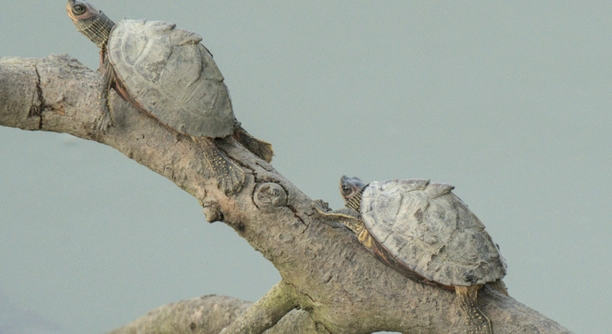
Breeding Indian Roofed Tortoises can be an exciting yet challenging experience. These reptiles have specific needs that must be met to ensure successful breeding. However, common problems can arise during this process, making it important to understand their requirements.
Several issues may occur when breeding Indian Roofed Tortoises, including improper habitat conditions, nutrition, and temperature fluctuations. Additionally, stress and disease can interfere with successful breeding. Identifying and addressing these problems is essential for healthy reproduction.
Recognizing these challenges early will help you avoid complications in breeding your tortoises. Addressing each issue effectively can lead to better outcomes for both the tortoises and their environment.
Incorrect Temperature and Humidity Levels
Indian Roofed Tortoises require specific temperature and humidity conditions for successful breeding. If the temperature is too high or too low, it can affect their reproductive health. Similarly, humidity plays a crucial role in the tortoises’ ability to breed. The ideal temperature for these tortoises should range from 80°F to 85°F (27°C to 29°C) during the day and slightly cooler at night. Humidity levels should be kept at around 70-80%. If these conditions aren’t met, the tortoises may not breed at all or could face health issues, making breeding a difficult task. Ensuring the proper environment can prevent these problems and encourage successful reproduction.
Maintaining a stable temperature and humidity level is key to their health. A thermostat and humidity monitor are essential tools to help regulate these conditions.
Temperature and humidity are not just about comfort—they are essential for proper digestion, metabolism, and overall health, all of which impact the breeding process. If these elements fluctuate too much, it could lead to stress, impacting the tortoises’ willingness to mate or carry eggs. This is why it’s crucial to create an environment where these factors are consistently monitored and controlled. In some cases, even slight temperature changes can be harmful to the tortoises’ reproductive organs. Properly heating the enclosure, especially during the night, and using a humidifier or water dish to maintain humidity will give your tortoises the best chance at successful breeding.
Stress and Overhandling
Stress is a significant barrier to breeding. Tortoises are naturally shy and sensitive creatures, and excessive handling can cause stress. It is important to leave them undisturbed, especially during the breeding season. Over-handling, loud noises, or sudden changes in their surroundings can cause the tortoises to become anxious, leading to reproductive issues. To avoid stress, try to keep their environment calm and quiet, allowing them to feel secure.
When breeding season approaches, tortoises need time and space to adjust to their natural rhythms. Stress can make them less active, hinder their mating behavior, or even lead to illness. It’s essential to ensure they have a peaceful, safe place to live during this time.
Poor Diet and Nutrition
A balanced diet is essential for breeding success. If Indian Roofed Tortoises aren’t getting the right nutrients, their reproductive health can be affected. Ensure that they are fed a variety of fresh vegetables, greens, and occasional fruits. A lack of calcium, vitamins, and other essential nutrients can lead to problems with egg production or poor health in hatchlings. Supplementing their diet with a calcium powder can be particularly helpful. Without proper nutrition, breeding may fail, and health issues may arise. The right diet will support their energy levels and overall health, making reproduction more likely.
Providing a proper diet is just as important as temperature and humidity control. A tortoise’s health begins with its food. Without a nutrient-rich diet, even the best environment will fail to encourage successful breeding. Be sure to include a mix of leafy greens, edible flowers, and high-fiber foods in their meals. Calcium-rich foods like kale, collard greens, and dandelion leaves are particularly helpful in promoting strong egg development and overall reproductive health.
Tortoises, like all reptiles, require proper hydration alongside a healthy diet. A constant supply of fresh water is necessary, especially for egg-laying females. The water should be shallow enough to prevent drowning but deep enough for the tortoises to drink comfortably. Offering water-rich fruits such as watermelon or cucumber can help with hydration. The overall diet impacts egg formation, shell health, and general well-being, making it essential to provide a balanced variety of food choices. This can prevent nutritional deficiencies that might prevent successful breeding.
Overcrowded Enclosure
Too many tortoises in a single enclosure can create stress and hinder successful breeding. Overcrowding leads to competition for space, food, and hiding spots. As a result, tortoises may become aggressive or stressed, which can impact their health and reproductive behaviors. Breeding can become more difficult if they feel unsafe or territorial. To help them breed, ensure each tortoise has enough space to move freely. A larger enclosure will help them feel less stressed and more comfortable when mating.
It’s also important to monitor the gender ratio in the enclosure. Too many males can cause tension and aggression, while too many females might lead to competition. This imbalance can result in decreased reproductive success. Ensure there is at least one male for every two to three females to promote a more harmonious environment. Additionally, provide enough hiding spots and basking areas to reduce stress from territorial disputes. A comfortable environment encourages tortoises to engage in mating behaviors.
Inadequate Lighting
Proper lighting is crucial for breeding success in Indian Roofed Tortoises. They need both UVB and UVA light for healthy reproduction. UVB light helps with calcium absorption, while UVA encourages natural behavior, including mating. Without adequate lighting, they may experience reproductive issues or fail to breed altogether.
Ensure your tortoises have access to UVB lighting for 10-12 hours a day. This promotes overall health and keeps their reproductive system functioning properly. Also, provide a heat lamp to simulate day and night cycles, ensuring that the temperature is consistently warm during the day. Lighting mimics natural conditions, triggering mating behavior.
Health Issues and Disease
Tortoises with health problems or diseases are unlikely to breed successfully. Infections, parasites, or even internal injuries can affect their ability to reproduce. Regular veterinary check-ups are essential to ensure your tortoises are healthy. Early detection and treatment of health problems can prevent issues that affect their fertility.
Tortoises may hide symptoms of illness, making it important to observe their behavior carefully. Look for signs of lethargy, difficulty eating, or changes in their shells. If you suspect any issues, consult a vet immediately to avoid complications that can arise during breeding. Keeping them healthy increases your chances of a successful breeding season.
FAQ
What is the best temperature for breeding Indian Roofed Tortoises?
The ideal temperature for breeding Indian Roofed Tortoises should range between 80°F and 85°F (27°C to 29°C) during the day. At night, the temperature can drop slightly but should not fall below 70°F (21°C). Keeping the temperature in this range encourages their metabolism and reproductive functions. If the temperature is too hot or too cold, it can cause stress or lead to infertility, making successful breeding difficult. Consistency is key, so avoid significant fluctuations in temperature.
How much humidity is needed for breeding?
Indian Roofed Tortoises need humidity levels between 70% and 80% for optimal breeding. Humidity aids in proper hydration, skin health, and overall well-being, which directly impacts reproduction. Too low humidity can lead to dehydration and shedding problems, while high humidity can cause respiratory issues. To maintain ideal humidity, consider using a humidifier or placing a shallow water dish inside the enclosure. Regular misting of their habitat can also help achieve the right humidity levels. Monitoring humidity with a hygrometer will ensure you maintain a healthy environment.
What should I feed Indian Roofed Tortoises to help with breeding?
A balanced diet rich in calcium, vitamins, and fiber is vital for breeding. Leafy greens like collard greens, dandelion leaves, and kale should be the main part of their diet. You can also offer other vegetables such as squash, carrots, and turnip greens. Occasionally, provide fruits like strawberries, mango, or watermelon, but they should not make up more than 10-15% of their diet. Calcium is particularly important for egg production and shell health, so it is advisable to sprinkle calcium powder on their food a few times a week. Additionally, ensure they have access to fresh water at all times.
How do I prevent stress in tortoises during the breeding season?
Stress can significantly affect your tortoises’ ability to breed. To minimize stress, ensure that their enclosure is spacious enough for them to move freely. Avoid excessive handling, as it can make them feel unsafe. Keep the environment quiet and calm, and avoid sudden changes in temperature, humidity, or lighting. If you have multiple tortoises, ensure there is an appropriate ratio of males and females to prevent competition and aggression. Adequate hiding spots and basking areas will also give them safe spaces to retreat to when needed.
Can I breed Indian Roofed Tortoises with other species?
It’s not recommended to breed Indian Roofed Tortoises with other species. While some species may seem compatible, different species often have different environmental needs and behaviors. Mixing species can lead to stress, aggression, and, in some cases, the spread of diseases. Breeding should ideally occur between individuals of the same species to ensure healthy offspring. If you’re unsure about compatibility, consult with a reptile specialist or vet before introducing another species to your tortoises’ habitat.
How long does it take for Indian Roofed Tortoises to lay eggs after mating?
After successful mating, female Indian Roofed Tortoises will usually lay eggs within 30 to 60 days, depending on environmental factors like temperature and diet. The female will dig a hole to bury her eggs, and it’s important to provide the right nesting area in the enclosure. If the temperature and humidity are correct, the eggs will develop properly, and you may see hatchlings after approximately 80 to 120 days. Providing a safe, quiet area for egg-laying is critical to ensure the tortoise feels secure and can complete this process without disturbances.
How can I tell if my tortoises are mating?
Mating behavior in Indian Roofed Tortoises usually involves the male chasing the female and performing a series of head bobbing and vocalizations. The male may also attempt to mount the female. If successful, the mating process can last anywhere from a few minutes to an hour. It’s not always easy to witness, as tortoises are not overly vocal about it, but the physical signs of mating behavior are generally noticeable when they’re in the right environment. After mating, you may notice changes in the female’s behavior as she prepares for egg-laying.
What should I do if the eggs don’t hatch?
If the eggs do not hatch, it’s important to assess the conditions in which they were incubated. Ensure the temperature and humidity levels were maintained correctly throughout the incubation period. Eggs that were kept at the right temperature (around 80°F to 85°F) and humidity (70% to 80%) are more likely to hatch. If the eggs still fail to hatch, they may have been infertile from the beginning. In some cases, incubator conditions could have led to an early death of the embryos. Consult with a vet or a reptile specialist if this happens frequently.
Why is my female tortoise not laying eggs after mating?
Several factors could prevent a female tortoise from laying eggs after mating. Stress, improper environmental conditions (like temperature or humidity), or an inadequate diet can all affect egg-laying. Some females may need a longer time to prepare their bodies for egg production, or they might need a quieter, safer space to lay. If the problem persists, it might be helpful to consult with a vet to rule out any health issues or hormonal imbalances. It’s also essential to make sure the female tortoise has access to a suitable nesting area in her enclosure.
How can I support hatchlings after they’re born?
Once your Indian Roofed Tortoises hatch, ensure they have a safe and appropriate environment to grow. Provide a warm and humid enclosure with a temperature of around 85°F (29°C) during the day and slightly cooler at night. Fresh water and a balanced diet, including finely chopped leafy greens and vegetables, are crucial for their early development. Keep them in a separate, safe space where they won’t be exposed to adult tortoises, as they may be at risk of injury. Regularly monitor their health and make adjustments to the environment as needed to help them grow strong and healthy.
Breeding Indian Roofed Tortoises can be a rewarding experience, but it does come with challenges. The environment, diet, and health of the tortoises all play a significant role in their ability to breed successfully. Ensuring that the enclosure is spacious enough, maintaining proper temperature and humidity levels, and providing a nutritious diet are all crucial steps in creating the right conditions for breeding. It is also essential to pay attention to the health of the tortoises and address any issues that may arise. Regular veterinary check-ups can help identify problems early, which is key to preventing breeding difficulties.
Stress is another factor that can hinder successful breeding. Overhandling, overcrowded enclosures, and environmental disturbances can make tortoises feel unsafe or uncomfortable, which can affect their willingness to breed. Providing a calm, quiet space for them to thrive is vital. Giving them enough space to move around, access to hiding spots, and a consistent environment will help them feel secure. The right lighting and temperature, as well as proper care, will help minimize stress and encourage natural mating behaviors.
Breeding Indian Roofed Tortoises requires patience and attention to detail. While it can be difficult at times, the rewards of seeing healthy hatchlings emerge are well worth the effort. Understanding the factors that impact breeding, such as temperature, nutrition, and stress, will help you create an environment where your tortoises can thrive and reproduce. With the right care, you can ensure that your tortoises’ breeding process is successful and that their offspring will grow up healthy and strong.

Hello,
If you enjoy the content that we create, please consider saying a "Thank You!" by leaving a tip.
Every little bit helps us continue crafting quality advice that supports the health, happiness, and well-being of pets around the world, for pets of all shapes, sizes, and species.
We really appreciate the kindness and support that you show us!