
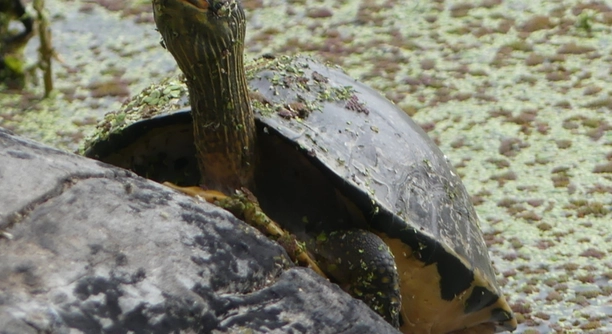
Do you want to ensure your Indian Roofed Tortoise is comfortable in its environment? Understanding the signs of overheating or being too cold is crucial for their well-being. This guide will help you identify the right temperature for your tortoise.
The most reliable way to know if your Indian Roofed Tortoise is too hot or too cold is by observing its behavior. A tortoise exposed to temperatures that are too high may become lethargic, while one that is too cold may seek warmth.
By recognizing early signs of temperature stress, you can make adjustments to help keep your tortoise comfortable. The following information will help you maintain the ideal environment for your pet’s health.
Signs Your Indian Roofed Tortoise Is Too Hot
Your Indian Roofed Tortoise may show specific behaviors when it is too hot. A tortoise exposed to high temperatures might retreat into its shell more frequently and become less active. It could also appear to be breathing heavily, indicating it is struggling to regulate its body temperature. Another sign is if the tortoise spends a lot of time near a shaded or cooler area. In severe cases, it may even become lethargic and stop eating, which is a clear indication that the heat is too intense for it.
If your tortoise begins to display any of these signs, it’s important to adjust its environment. Overheating can lead to stress and dehydration, which can harm its health.
A common cause of overheating is improper placement of heat sources or inadequate shading. Always make sure that the basking area isn’t too hot and that there are cooler areas within the enclosure. Maintaining a temperature gradient allows your tortoise to regulate its body temperature by moving between warmer and cooler zones. Consider investing in a reliable thermometer to monitor the enclosure temperature. Keeping it in the range of 85°F to 90°F during the day is optimal, with a drop at night to around 75°F.
How to Tell If Your Tortoise Is Too Cold
If your tortoise is too cold, you may notice it is very sluggish and less active. It might hide in its shell for long periods, trying to conserve energy.
Cold temperatures can lead to a decrease in metabolism, affecting the tortoise’s ability to digest food properly.
When exposed to cold environments, the tortoise’s movements become slow, and it may even refuse to eat. A cold tortoise will often seek warmer spots, trying to find a place where it can soak in some heat. It’s important to keep the temperature in its habitat within a comfortable range to avoid these symptoms. The ideal daytime temperature should be between 75°F and 85°F. If the temperature consistently drops below 70°F, your tortoise may become vulnerable to health issues. At night, a slight temperature drop is fine, but avoid letting it go too low. Make sure to provide a heat source that allows the tortoise to warm up when needed.
Adjusting the Temperature for Your Tortoise
If your Indian Roofed Tortoise is too hot or too cold, adjusting the temperature is essential. It’s important to make changes based on the symptoms your tortoise is showing.
To lower the temperature, move the heat source further away from the enclosure or use a lower-wattage bulb. Adding more shaded areas or using a fan can help cool the environment. On the other hand, to raise the temperature, simply increase the wattage of the bulb or place the tortoise’s basking spot closer to the heat source. Ensure that there is a balanced temperature gradient throughout the habitat.
A good way to monitor and maintain proper temperature control is by using a thermometer and adjusting the heat sources accordingly. Always allow your tortoise to have access to both warmer and cooler zones in its habitat. By ensuring the temperature doesn’t swing too dramatically, you can help prevent stress and health problems for your tortoise. Regularly check the temperature, especially if you notice any signs of discomfort in your pet.
Importance of Proper Humidity Levels
Humidity is just as important as temperature for your Indian Roofed Tortoise. A proper level of humidity helps with their digestion and overall well-being.
If the humidity is too low, it can cause dehydration. The tortoise may start to show signs of dry skin, become lethargic, and lose appetite. This could also make it more difficult for them to shed their skin properly. On the other hand, too much humidity can lead to respiratory issues or fungal infections.
To maintain proper humidity, ensure that there is a water source in your tortoise’s habitat. Mist the enclosure daily or use a humidifier to raise the moisture level. Be sure to regularly monitor the humidity using a hygrometer, aiming for around 50-60% humidity. If the levels fall below or rise above this range, your tortoise might show signs of stress. Keeping humidity levels balanced ensures that your pet stays healthy and comfortable in its home.
Recognizing Signs of Stress in Your Tortoise
Stress in your Indian Roofed Tortoise can often result from extreme temperatures. You may notice your tortoise acting unusually sluggish or hiding more often. Stress can lead to a loss of appetite, which can affect its health.
It’s important to address any potential stress quickly. Adjusting the temperature and ensuring your tortoise has a comfortable, quiet space can help reduce stress. Also, keep its environment clean and free of any aggressive pets.
Providing Proper Shelter and Environment
Your tortoise needs a comfortable shelter with enough space to move around. Without enough room, it can feel trapped or stressed. It’s essential to have both warm and cool areas for your tortoise to regulate its body temperature.
The shelter should be dry and clean, with proper ventilation to ensure air circulation. A consistent day-night light cycle is also important for its well-being. Make sure the lighting mimics natural conditions to help your tortoise stay in a healthy routine. Regularly clean the shelter to avoid any bacteria buildup.
Temperature Fluctuations and Their Effects
Extreme and sudden temperature fluctuations can cause stress or even harm to your tortoise. These shifts can weaken its immune system, making it more susceptible to infections.
Avoid sudden changes in temperature by keeping its habitat in a stable environment. If the enclosure is exposed to outdoor temperatures, take care to avoid letting it get too hot or cold quickly.
FAQ
How can I tell if my Indian Roofed Tortoise is too hot?
If your tortoise is too hot, it may exhibit signs like heavy breathing, lethargy, or excessive hiding. It may also become less active or stop eating altogether. If you notice any of these behaviors, it’s important to lower the temperature immediately by moving the heat source farther away or creating shaded areas. Monitoring the temperature with a thermometer is crucial to ensure the enclosure stays within the ideal range of 85°F to 90°F during the day.
What should I do if my tortoise is too cold?
A cold tortoise will likely become sluggish and inactive. It might also refuse food or remain in its shell for extended periods. To address this, increase the warmth by using a higher-wattage bulb or placing the heat source closer to the basking area. Avoid exposing the tortoise to a sudden increase in temperature. Gradually raise the warmth to avoid shocking its system, and keep the temperature between 75°F and 85°F during the day. It’s also important to provide a cool area where the tortoise can escape to if needed.
Can temperature stress cause health problems for my tortoise?
Yes, prolonged exposure to improper temperatures can weaken your tortoise’s immune system and cause various health problems, such as dehydration, respiratory infections, or digestive issues. Overheating can also lead to shell damage and overall lethargy, while cold temperatures can lead to hibernation-like conditions, which might result in metabolic problems. Keeping the enclosure at a stable temperature helps maintain your tortoise’s health and vitality.
How do I create the right temperature gradient in the enclosure?
To create the right temperature gradient, place a heat source (such as a basking lamp) on one side of the enclosure. This creates a warm area where your tortoise can bask, while the cooler side offers a refuge if it gets too hot. Ensure that the warm side stays between 85°F and 90°F, while the cooler side should be around 75°F to 80°F. This allows your tortoise to move between warm and cool areas, regulating its body temperature naturally.
What’s the ideal humidity level for my Indian Roofed Tortoise?
The ideal humidity level for an Indian Roofed Tortoise is between 50% and 60%. Too little humidity can cause dehydration, while too much can lead to respiratory issues and fungal growth. Use a hygrometer to monitor the humidity and adjust by misting the enclosure daily or using a humidifier. Make sure there is a water dish for hydration as well.
How do I know if my tortoise is dehydrated?
Dehydration in a tortoise can be identified by dry, flaky skin, sunken eyes, and a lack of appetite. A dehydrated tortoise may also appear lethargic and less active than usual. To prevent dehydration, provide a water dish with fresh water at all times, and mist the enclosure to maintain proper humidity. If you suspect dehydration, soaking the tortoise in shallow, warm water for about 20 minutes can help.
What is the best way to heat my tortoise’s enclosure?
The best way to heat your tortoise’s enclosure is with a heat lamp, preferably a basking bulb. Position the lamp so that it creates a temperature gradient within the habitat. You may also use ceramic heat emitters or under-tank heating pads, but they should be used with caution and monitored closely. Avoid using incandescent bulbs that can emit too much heat or lead to fluctuations.
How often should I check the temperature and humidity in the enclosure?
You should check the temperature and humidity levels daily to ensure they remain within the ideal range. Using a thermometer and hygrometer will give you an accurate reading. Even small changes in the environment can affect your tortoise’s comfort and health, so regular monitoring is crucial. Make adjustments as needed, especially if there are noticeable changes in behavior.
Can I use a UVB light for my tortoise?
Yes, UVB lighting is essential for your tortoise’s overall health. It helps them produce vitamin D3, which is necessary for calcium absorption and shell development. Ensure the UVB light is placed within 12-18 inches of the tortoise’s basking area, and replace it every 6-12 months, as the light’s effectiveness decreases over time.
What is the best bedding for my tortoise’s enclosure?
The best bedding for your tortoise should be absorbent, easy to clean, and non-toxic. You can use materials like coconut coir, sphagnum moss, or aspen shavings. Avoid using sand or gravel as bedding, as it can cause digestive issues if ingested. Change the bedding regularly to maintain a clean environment and reduce the risk of bacterial growth.
How can I prevent my tortoise from overheating in the summer?
To prevent overheating in the summer, keep your tortoise’s enclosure in a shaded area and away from direct sunlight for long periods. Ensure proper ventilation and use a fan if needed to help circulate the air. Also, avoid keeping the enclosure in hot rooms or areas that get excessively warm. If temperatures rise above 90°F, move the tortoise to a cooler location until the heat subsides.
What should I do if my tortoise refuses to eat?
If your tortoise refuses to eat, it could be due to temperature stress, illness, or a lack of proper diet. First, check the temperature and humidity in the enclosure to ensure it is comfortable. Offer a variety of food, including leafy greens and vegetables. If your tortoise continues to refuse food, consult a veterinarian to rule out any health issues.
Final Thoughts
Taking care of your Indian Roofed Tortoise requires careful attention to its environment, especially when it comes to temperature. Keeping the right balance of warmth and cool areas in the enclosure helps your tortoise regulate its body temperature naturally. It’s important to monitor these temperatures regularly, as fluctuations can cause stress or health issues. A stable temperature gradient, with a basking area that stays between 85°F and 90°F and a cooler area around 75°F, ensures your tortoise stays comfortable. If you notice any signs of overheating or being too cold, adjusting the heat source and the overall environment can make a big difference.
Humidity also plays a key role in the health of your tortoise. While it’s important to maintain an ideal range of 50%-60%, too much or too little humidity can cause problems like dehydration or respiratory issues. Keeping the habitat clean, ensuring good ventilation, and providing a consistent light cycle will also help maintain your tortoise’s well-being. Using a hygrometer to monitor humidity levels and making small adjustments can go a long way in preventing stress and discomfort for your pet.
Overall, by paying close attention to your Indian Roofed Tortoise’s environment, you can ensure it remains happy and healthy. This species, like many others, thrives when its habitat closely mimics natural conditions. Regularly check temperature and humidity, provide proper food and water, and make sure the shelter is safe and clean. These simple steps will help keep your tortoise comfortable, allowing it to thrive and live a long, healthy life in your care.

Hello,
If you enjoy the content that we create, please consider saying a "Thank You!" by leaving a tip.
Every little bit helps us continue crafting quality advice that supports the health, happiness, and well-being of pets around the world, for pets of all shapes, sizes, and species.
We really appreciate the kindness and support that you show us!