
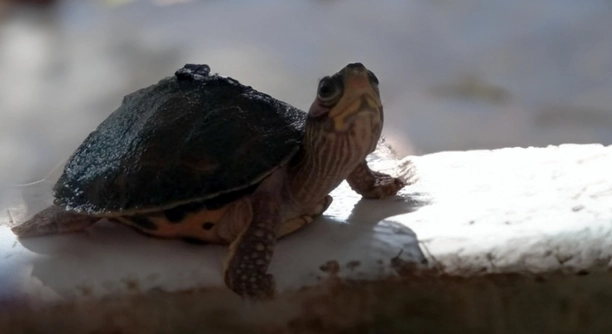
Creating a balanced and nutritious diet for your Indian Roofed Tortoise is essential to its health and longevity. This guide will help you understand the key components needed to build the perfect meal plan for your pet.
A proper diet for an Indian Roofed Tortoise includes a variety of leafy greens, vegetables, and fruits, ensuring a balanced intake of fiber, vitamins, and minerals. A diverse and well-planned diet helps maintain their overall health and encourages proper digestion.
The right diet plan is key to keeping your tortoise healthy and happy. Understanding how to balance nutrients will lead to better care and longevity for your pet.
Key Ingredients for a Balanced Diet
A well-rounded diet for your Indian Roofed Tortoise should focus on providing a variety of fresh, nutrient-rich foods. The primary components of their diet include leafy greens like dandelion greens, collard greens, and mustard greens. These vegetables are high in fiber and essential vitamins that support their digestive health and immune system. Additionally, offering a mix of vegetables such as squash, carrots, and bell peppers ensures that they receive the necessary vitamins and antioxidants. Fruits, like apples, strawberries, and melons, should be included but offered sparingly due to their sugar content.
Leafy greens are crucial, but variety is just as important. Regularly rotating the vegetables and fruits you offer ensures your tortoise gets a wide range of nutrients, preventing deficiencies. It’s best to avoid foods high in oxalates, such as spinach, as they can interfere with calcium absorption.
The right mix of vegetables and fruits will keep your tortoise energized and help prevent common health issues, such as obesity or calcium deficiencies. Always remember that moderation is key when it comes to fruits and other high-sugar foods.
Hydration is Essential
Adequate water is vital to your tortoise’s diet. Ensure fresh water is always available.
Proper hydration supports digestion, prevents dehydration, and aids in the absorption of nutrients from food. The water should be changed regularly to keep it clean and appealing for your pet.
Avoid Processed Foods
Processed foods, including pre-packaged pellets, should be avoided as much as possible. They often contain preservatives and additives that are not suitable for your tortoise’s digestive system. These foods can lead to digestive issues and poor overall health in the long run. Stick to fresh, whole foods to ensure proper nutrition.
While some commercially available tortoise pellets may seem convenient, they don’t offer the variety or the nutrients that fresh greens and vegetables provide. The lack of diversity can also result in deficiencies. It’s best to feed your tortoise a diet of fresh, nutrient-dense foods like leafy greens, squash, and occasional fruits.
Feeding processed foods regularly can lead to long-term health complications. Instead, focus on providing your tortoise with natural food sources. This not only helps with proper digestion but also boosts their immune system, ensuring they stay healthy and active.
Supplementing the Diet
Supplements, like calcium and vitamins, can be important for an Indian Roofed Tortoise’s health, especially for younger or breeding individuals.
Calcium is vital for shell development and overall bone health. A lack of calcium can lead to soft shells, metabolic bone disease, and other health problems. Offer a calcium supplement if necessary, but avoid over-supplementing, as it can cause issues. Dusting leafy greens lightly with calcium powder once or twice a week should be sufficient.
Along with calcium, a multivitamin supplement can be given once or twice a month. Look for one designed specifically for reptiles. These supplements ensure that your tortoise is receiving the necessary nutrients not always available in their regular diet. However, remember that a balanced diet should always come first.
Avoiding Toxic Plants
Certain plants can be toxic to Indian Roofed Tortoises. Plants like foxglove, oleander, and nightshades should be completely avoided. These can cause severe reactions such as digestive issues, organ failure, or even death. Always research the plants in your tortoise’s environment before introducing them.
When choosing plants for your tortoise’s habitat, focus on safe, edible options. Some safe plants include dandelion greens, hibiscus flowers, and clover. Be cautious about where you gather plants, as chemicals from pesticides can also pose a danger. Ensure any plant material is free from harmful chemicals.
The safest approach is to offer plants and greens from trusted sources. This minimizes the risk of harmful toxins and ensures your tortoise stays healthy.
Managing Portion Sizes
Portion control is vital for maintaining your tortoise’s weight and health.
Overfeeding can lead to obesity, which causes various health problems. Offering the correct portion sizes ensures they receive all the nutrients they need without excess calories. Stick to small, manageable portions and avoid feeding large amounts of fruits or high-sugar foods.
Frequency of Feeding
Tortoises generally do well when fed daily, with occasional fasting days.
You can feed your Indian Roofed Tortoise every day but avoid overfeeding them in one sitting. Offer food in the morning and remove any leftovers by evening to prevent spoilage. This feeding schedule will help maintain proper digestion and prevent obesity.
FAQ
What fruits are safe for my Indian Roofed Tortoise?
Safe fruits for your tortoise include apples, strawberries, watermelon, and cantaloupe. Fruits should be offered in moderation due to their sugar content. A small piece of fruit a few times a week is enough. Avoid giving citrus fruits like oranges and lemons, as their acidity can upset your tortoise’s digestive system.
How often should I feed my Indian Roofed Tortoise?
Feed your tortoise daily, offering fresh vegetables and greens. However, be sure to remove any leftover food by the end of the day to prevent spoilage. You can also provide occasional fasting days to give their digestive system a break.
Can I feed my Indian Roofed Tortoise lettuce?
You can feed your tortoise lettuce, but avoid iceberg lettuce, as it lacks nutritional value. Romaine and other dark leafy varieties, such as kale and collard greens, are better options. These provide more vitamins and fiber, which are essential for your tortoise’s health.
How much calcium does my tortoise need?
Calcium is essential for shell and bone health. The amount of calcium depends on your tortoise’s age and overall health. Generally, it’s a good idea to lightly dust their greens with calcium powder once or twice a week. Always avoid over-supplementing, as too much calcium can lead to kidney problems.
Should I offer my tortoise a varied diet?
Yes, a varied diet is important to provide all the necessary nutrients. Rotate the vegetables and greens you offer regularly. This helps prevent nutrient deficiencies and ensures that your tortoise gets a balanced diet. Some tortoises may be picky, but offering variety can encourage them to eat a wider range of foods.
What should I avoid feeding my tortoise?
Avoid feeding your tortoise high-oxalate foods like spinach, as they can interfere with calcium absorption. Other foods to avoid include avocado, rhubarb, and foods that are high in sugar. Keep processed foods and pellets to a minimum, as they don’t offer the necessary variety and nutrients.
How can I tell if my tortoise is healthy?
A healthy tortoise will have a smooth, hard shell, bright eyes, and clear skin. Their appetite should be steady, and they should be active during the day. Weight loss, lethargy, and shell deformities are signs of possible health issues. Regular check-ups with a vet are recommended to monitor overall health.
Can my tortoise eat flowers?
Certain flowers are safe for your tortoise, including dandelions, hibiscus, and clover. Be sure to research any flowers before feeding them, as some can be toxic. Always ensure that flowers are free from pesticides or chemicals before offering them to your pet.
What temperature should my tortoise’s enclosure be?
The temperature of your tortoise’s enclosure should range between 75-85°F during the day, with a basking spot reaching around 90-95°F. At night, the temperature can drop to around 70°F. Maintaining the proper temperature helps your tortoise digest food and stay healthy.
How can I prevent my tortoise from getting overweight?
Overfeeding and offering high-calorie foods can lead to obesity in tortoises. To prevent this, offer appropriate portion sizes and avoid too many high-sugar fruits. Monitor your tortoise’s weight and adjust its food intake as necessary. Regular exercise and access to a larger area to roam also help maintain a healthy weight.
Is it necessary to use supplements for my tortoise?
Supplements are useful but should be used with caution. Calcium supplements are essential, especially for young or breeding tortoises. A multivitamin supplement can be used monthly, but the focus should always be on a balanced diet. Supplements should never replace fresh, natural food sources.
What should I do if my tortoise isn’t eating?
If your tortoise isn’t eating, check for environmental factors like temperature or humidity issues. Stress, improper diet, or health problems could also be the cause. If the lack of appetite persists for more than a few days, it’s important to consult a vet to rule out any underlying issues.
Can I give my tortoise herbs?
Yes, many herbs are safe for tortoises, including basil, parsley, cilantro, and thyme. These herbs can add variety to your tortoise’s diet while providing some added nutrients. Be cautious with strong-tasting herbs and offer them in moderation.
Is it okay to feed my tortoise dandelions?
Dandelions are safe and nutritious for your tortoise. They are high in vitamins A, C, and calcium. However, ensure that the dandelions are pesticide-free before offering them to your tortoise. You can feed them the leaves and flowers for a healthy treat.
How long can my tortoise go without food?
Indian Roofed Tortoises can survive without food for a few days, but they should not be left without food for extended periods. Regular feeding helps maintain energy levels and promotes proper digestion. If your tortoise refuses food for more than a few days, it could be a sign of illness and should be checked by a vet.
What do I do if my tortoise’s shell is soft?
A soft shell is a serious issue, often caused by a calcium deficiency. If you notice this, it’s important to immediately address the diet by adding more calcium and ensuring proper UVB lighting. A visit to the vet is essential for treatment and further evaluation.
Can I feed my tortoise cabbage?
Cabbage can be fed in moderation, but it should not be the main food item. While cabbage contains fiber and some vitamins, it also contains goitrogens, which can interfere with thyroid function if fed too frequently. Offer cabbage occasionally as part of a varied diet.
Final Thoughts
Creating a proper diet plan for your Indian Roofed Tortoise is essential to its overall health and well-being. By understanding its natural feeding habits and nutritional needs, you can offer a varied diet that supports its growth, energy levels, and longevity. Providing a balance of leafy greens, safe fruits, and occasional flowers ensures that your tortoise gets the right amount of fiber, vitamins, and minerals. Avoiding toxic plants and limiting high-sugar foods are also key components of maintaining a healthy diet. Regular monitoring of your tortoise’s weight and food intake will help keep its diet on track and prevent overfeeding.
In addition to food, maintaining proper environmental conditions like temperature and humidity plays a crucial role in your tortoise’s digestive health. Adequate sunlight and access to UVB light help with calcium absorption, which is vital for strong bones and shell health. If you ever notice signs of illness, such as a lack of appetite, lethargy, or a soft shell, consult a veterinarian promptly. Early intervention is essential to prevent long-term health problems. A balanced diet, combined with a suitable living environment, will ensure your tortoise thrives and remains active.
While it may take time to learn what your Indian Roofed Tortoise enjoys, experimenting with different foods can be both fun and rewarding. Always research any new food item before introducing it to your tortoise’s diet. Remember, consistency is important when feeding your tortoise, and it’s best to stick to a feeding routine. With the right approach, your tortoise will live a long, healthy, and happy life. Keeping things simple while offering variety, and observing any changes in behavior or health will allow you to make necessary adjustments to its diet plan over time.

Hello,
If you enjoy the content that we create, please consider saying a "Thank You!" by leaving a tip.
Every little bit helps us continue crafting quality advice that supports the health, happiness, and well-being of pets around the world, for pets of all shapes, sizes, and species.
We really appreciate the kindness and support that you show us!