
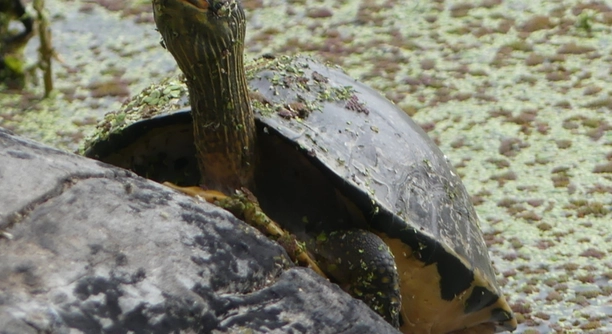
Indian Roofed Tortoises are fascinating creatures, but their shell condition can sometimes raise concerns. A common issue is shell peeling, which often leaves owners wondering what might be causing this.
Shell peeling in Indian Roofed Tortoises is typically linked to shedding, a natural process of growth. However, it can also indicate issues like poor humidity levels, dehydration, or improper diet. Regular care and attention can prevent these concerns.
Understanding the reasons behind this shedding process helps ensure your tortoise’s health is properly managed and prevent future complications.
Why Is Shell Peeling a Concern?
Shell peeling is common in Indian Roofed Tortoises, but it is important to understand when it’s a natural occurrence or when it’s a sign of an underlying problem. Peeling is part of the growth process, as tortoises shed their outer shell layers to make room for new growth. However, if the peeling is excessive, irregular, or accompanied by other signs like discoloration or lethargy, it could point to health concerns. Factors such as poor diet, low humidity, and dehydration can all contribute to abnormal shell shedding. Regular observation of your tortoise’s shell condition is key to identifying when there is a need for medical attention or environmental adjustments.
In most cases, it’s easy to overlook minor peeling, but it’s important to notice if the skin underneath is healthy. If your tortoise’s shell is soft, dented, or exposed to infection, immediate intervention is necessary.
Adjusting environmental factors such as temperature, humidity, and providing the right diet ensures your tortoise’s shell stays healthy. You can also incorporate a light misting of water for hydration, especially if you notice excessive dryness or peeling.
Natural Shell Shedding
Shedding is a normal part of a tortoise’s growth. It helps them develop a new layer of armor as they mature. As they grow, the old shell layers are replaced, which can sometimes cause peeling. This process is generally harmless when managed in the right conditions.
A healthy tortoise will shed its shell in small, manageable pieces. The skin underneath is often smooth and firm. It’s essential to monitor the shedding process for irregularities, like unusually large patches or rough, discolored skin, which could indicate other issues. Proper diet and humidity levels help support the shedding process.
Maintaining the right humidity levels is crucial to the shedding process. Too little moisture in the environment can result in dry, cracking skin, leading to problems with the shell. Regular misting, a humid hide, and proper water access are essential for ensuring the shedding process goes smoothly.
Environmental Factors Affecting Shell Health
The environment plays a significant role in the health of your tortoise’s shell. Factors like temperature, humidity, and the habitat can either promote or hinder natural shedding. Without the proper conditions, shedding can become problematic.
Inadequate humidity is one of the leading causes of unhealthy shell shedding. Tortoises require a specific range of humidity levels to maintain the health of their shells. If the air is too dry, the shedding may become more frequent or cause issues like shell rot. A humid hide and consistent misting can help create a comfortable environment for your tortoise. Regular monitoring of humidity levels and temperature is vital for maintaining the ideal living conditions for your pet.
Dehydration and Shell Peeling
Dehydration can lead to dry, cracked shells and excessive peeling. Tortoises rely on proper hydration to support their skin and shell health. Insufficient water intake or a lack of humidity can make shedding difficult and cause peeling to become more noticeable.
Providing fresh water regularly is essential. If your tortoise doesn’t drink enough, it can result in unhealthy shedding. Ensure they have access to clean water at all times and monitor their hydration closely. Dehydration can affect overall health, leading to additional complications like lethargy and reduced appetite.
Diet and Shell Health
A well-balanced diet is crucial for maintaining a healthy shell. Tortoises require a variety of nutrients, including calcium and fiber, to support shell growth and integrity. A poor diet can weaken their shell, making it more prone to damage and peeling.
Calcium is particularly important for the development of strong, healthy shells. Without it, tortoises may experience softening or damage to their shells. Supplementing their diet with calcium-rich foods or supplements ensures they get the nutrients needed for optimal shell health. Feeding them a variety of fresh vegetables also promotes overall well-being.
Excessive Peeling and Infection
Excessive peeling can be a sign of infection. When the peeling becomes too frequent or widespread, it can expose the soft skin underneath, making your tortoise more susceptible to bacteria. Infected shells can lead to severe health issues if not addressed quickly.
Shell infections are often caused by poor hygiene, excessive moisture, or improper care. If you notice any unusual discharge, swelling, or discoloration in the peeling areas, it’s important to seek veterinary assistance immediately. Regular cleaning of the enclosure and proper care can prevent infections.
FAQ
Why is my tortoise’s shell peeling?
Shell peeling is a natural process that occurs as your tortoise grows. It helps them shed old layers and develop new ones. However, excessive peeling can also indicate environmental factors like dehydration, low humidity, or a poor diet. It’s important to monitor the process and ensure they have a balanced environment.
Is shell shedding painful for my tortoise?
Typically, shell shedding is not painful. It’s a normal part of growth, much like how our skin sheds. However, if the shell is shedding abnormally or if there’s damage to the underlying skin, it may cause discomfort. If you suspect pain, it’s best to consult a vet.
How often should I expect shell peeling?
The frequency of shell shedding depends on the tortoise’s age and growth rate. Younger tortoises may shed more frequently as they grow quickly. As they age, shedding may become less regular. Monitoring the condition of the shell is crucial, as irregular shedding can sometimes signal underlying issues.
What can I do if my tortoise’s shell is peeling too much?
If your tortoise is shedding excessively, review their environment and diet. Ensure they are in a space with proper humidity and temperature. Check that they have access to fresh water and are getting the necessary nutrients, especially calcium. If the peeling continues or worsens, it may be time to consult a veterinarian.
How do I know if my tortoise’s shell peeling is abnormal?
Abnormal peeling may involve excessive shedding, rough or irregular patches, or soft spots on the shell. If you notice any of these signs or if there is swelling, discoloration, or an unpleasant odor, this could be a sign of infection or other health problems. Seeking veterinary care is advised if these symptoms occur.
Can poor diet cause my tortoise’s shell to peel?
Yes, a poor diet can lead to unhealthy shell shedding. Tortoises need a balanced diet that includes enough calcium, fiber, and other essential nutrients. If your tortoise isn’t getting enough calcium, the shell may become weak, leading to excessive peeling or soft spots. Providing a varied diet and supplements can help prevent this.
How can I improve the humidity for my tortoise?
To improve the humidity, you can add a humid hide in your tortoise’s enclosure. This helps them access a moisture-rich area when needed. Regular misting or using a humidifier in the room can also help. It’s important to maintain consistent humidity levels based on your tortoise’s specific needs. Monitoring the humidity with a gauge ensures the environment stays ideal.
Should I remove peeling pieces of the shell?
In most cases, it’s best to leave the peeling pieces alone. Tortoises naturally shed their shells, and removing them may cause unnecessary stress. If the peeling is excessive or there is damaged skin underneath, consult with a vet to ensure the tortoise isn’t suffering from an infection or another issue.
Can shell peeling be a sign of infection?
Yes, shell peeling can sometimes be a sign of infection, especially if there is redness, swelling, or discharge from the shell. If you notice these symptoms, it’s important to seek veterinary care. Keeping the enclosure clean and dry can help prevent infections, but persistent peeling should be examined by a professional.
What should I do if my tortoise has soft spots on its shell?
Soft spots on the shell are a sign that your tortoise is not getting enough calcium or that their shell is not developing properly. To address this, you should provide a calcium supplement and ensure their diet is rich in calcium-rich foods. A vet visit is also recommended to rule out any serious health issues.
How can I tell if my tortoise is dehydrated?
Signs of dehydration in a tortoise include dry, cracked skin, lethargy, and loss of appetite. The shell may also appear overly dry or cracked. If you suspect dehydration, increase the humidity in their enclosure and offer more water. If the signs persist, a vet should be consulted for advice and treatment.
Is there a way to prevent shell peeling?
While you can’t completely prevent natural shell shedding, you can manage the environment and diet to ensure the process is healthy. Providing proper humidity, temperature, hydration, and a balanced diet will support healthy shell development and reduce the likelihood of abnormal peeling. Regular monitoring of your tortoise’s shell can help catch issues early.
Why is my tortoise’s shell peeling in large patches?
Large patches of peeling could be a sign that your tortoise is shedding too much due to dehydration, poor humidity, or malnutrition. It can also be caused by an injury or infection. Regular care and environmental adjustments can help, but if the shedding seems unusual, consult a veterinarian to rule out serious problems.
Can I use lotions or creams on my tortoise’s peeling shell?
It’s not advisable to use lotions or creams on your tortoise’s shell. These products can interfere with their natural shedding process. If you’re concerned about peeling or dryness, it’s better to focus on providing the right environmental conditions, such as humidity and hydration, rather than using topical treatments.
How do I know if my tortoise needs a vet?
If you notice abnormal shell peeling, soft spots, or signs of infection like swelling or discharge, it’s time to visit a vet. Any changes in behavior, like lethargy or loss of appetite, should also be addressed with a veterinary checkup. A professional will be able to diagnose and treat any underlying issues.
Can shell peeling lead to permanent damage?
In most cases, shell peeling is a natural and healthy process. However, if it’s caused by improper care, such as dehydration or infection, it can lead to long-term damage, including softening of the shell or infections that could affect the tortoise’s health. Prompt care can prevent permanent damage.
Final Thoughts
Shell peeling in an Indian Roofed Tortoise is a common and natural occurrence. It is essential to recognize the difference between normal shedding and signs of possible health issues. If the shedding is minimal, the shell appears healthy, and the tortoise continues to eat and move normally, there is typically no cause for concern. However, when excessive peeling occurs or the shell’s condition changes significantly, it may indicate an underlying problem. Ensuring your tortoise has proper humidity, a balanced diet, and appropriate care can prevent most common shell issues.
Pay attention to any changes in behavior. A tortoise that is active, eating well, and moving about comfortably is usually in good health. However, a tortoise that becomes lethargic, stops eating, or experiences abnormal shell shedding should be examined by a veterinarian. Regular monitoring of your tortoise’s environment is equally important. Ensuring the enclosure has the correct temperature, humidity, and lighting for your tortoise’s species will help support their overall well-being and prevent many health problems. Keeping the enclosure clean also minimizes the risk of infections, which can lead to shell issues.
Taking preventive steps can greatly improve your tortoise’s long-term health. Providing a diet rich in calcium, proper hydration, and safe exposure to sunlight will contribute to the strength of the shell. Additionally, regular veterinary check-ups can help catch any potential problems early. By paying attention to their environment, diet, and behavior, you can keep your Indian Roofed Tortoise healthy and comfortable. Monitoring shell health regularly will ensure they stay happy and active for many years to come.

Hello,
If you enjoy the content that we create, please consider saying a "Thank You!" by leaving a tip.
Every little bit helps us continue crafting quality advice that supports the health, happiness, and well-being of pets around the world, for pets of all shapes, sizes, and species.
We really appreciate the kindness and support that you show us!