
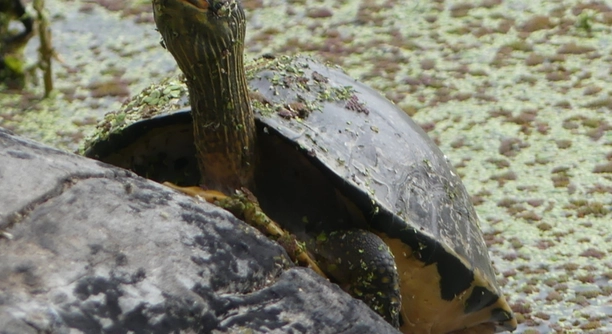
Caring for an Indian Roofed Tortoise in its tank requires more than just feeding and cleaning. It’s important to create a comfortable and safe environment for your pet. Let’s explore how to improve its living space.
To make an Indian Roofed Tortoise comfortable in its tank, focus on proper humidity, temperature control, and habitat enrichment. Providing hiding spots, a variety of substrates, and access to clean water ensures its well-being and reduces stress.
These simple yet effective steps will create a more comfortable environment for your tortoise. The changes can make a noticeable difference in their overall health and happiness.
Proper Temperature and Humidity Levels
Maintaining the right temperature and humidity in your tortoise’s tank is crucial for its comfort. Indian Roofed Tortoises are native to warmer, tropical regions, so they require a basking spot with temperatures ranging between 90-95°F and a cooler area around 75°F. Humidity should be kept at 60-80%, as it mimics their natural environment. If the humidity is too low, the tortoise may become dehydrated or have difficulty shedding its skin properly. To regulate both temperature and humidity, use a combination of heat lamps and a reliable thermometer to monitor the tank’s climate. Mist the tank regularly or place a shallow water dish to increase humidity, but avoid excessive moisture to prevent mold growth.
It’s essential to ensure your tortoise has access to both warm and cool areas in its tank. If the temperature is too hot or too cold, it can negatively impact its health.
The best way to control humidity is to maintain a consistent water source and ensure the substrate doesn’t dry out completely. Using a humidity gauge in the tank will help you stay on top of adjustments.
Substrate for Comfort and Cleanliness
Choosing the right substrate is another key to making your tortoise feel comfortable. Indian Roofed Tortoises do well with a variety of materials such as coconut coir, cypress mulch, or a mix of sand and soil. These options allow your tortoise to burrow and dig, behaviors that are natural to them. A deep enough layer of substrate is necessary to give your pet a chance to engage in these instinctive activities. Avoid using pine or cedar shavings, as their oils can be harmful to reptiles. Regularly spot clean the substrate to remove waste and maintain cleanliness. Change the substrate entirely every few months to keep the environment fresh and hygienic.
While keeping the substrate clean, it’s also important to ensure it’s not too dry. A balanced moisture level will keep your tortoise comfortable.
Over time, keeping the tank’s substrate in good condition not only prevents odor but also supports your tortoise’s health. It also encourages behaviors that help your pet feel secure and at ease in its home.
Providing Hiding Spots
Indian Roofed Tortoises need places where they can retreat to feel secure. Adding hiding spots helps reduce stress and gives them the chance to rest. A simple cave, ceramic pot, or small wooden box can be used as a hiding area.
Make sure the hiding spots are large enough for your tortoise to move around comfortably. Placing these spots in the cooler areas of the tank can help your tortoise regulate its temperature. It’s also important to position them in a way that encourages exploration and privacy. This will help your pet feel safe and secure.
Don’t forget to clean these hiding spots regularly to avoid bacteria buildup. Keeping the tank clean not only supports your tortoise’s health but ensures a more enjoyable and comfortable environment for them. Even a simple, natural-looking hideout can significantly reduce stress and make your tortoise feel at ease.
Fresh Water Access
Always provide fresh, clean water for your tortoise. A shallow, sturdy water dish is essential for hydration. Place the dish in an area your tortoise can easily access, but not in a spot that may become too warm.
Water should be changed daily to prevent the buildup of bacteria and algae. It’s important that the water dish isn’t too deep, as your tortoise may accidentally tip it over or have trouble getting in and out. A small, shallow dish that allows your tortoise to drink comfortably will do the trick.
Having access to fresh water can also help with digestion and skin health. A clean water source is a vital part of their habitat, ensuring they stay hydrated and healthy.
Proper Lighting
Indian Roofed Tortoises need UVB lighting to stay healthy. UVB rays help them absorb calcium, which is essential for their bone health. Without proper lighting, they can suffer from metabolic bone disease. Ensure your tortoise gets 10-12 hours of UVB light daily.
Use a reliable UVB bulb placed above the basking area to mimic natural sunlight. This light should be changed every 6-12 months, as its effectiveness decreases over time. It’s also important to position the light properly so it provides adequate exposure without overheating the tank.
Proper lighting is a simple yet crucial part of their care. It promotes healthy growth and prevents serious health issues.
Tank Size
The tank should be spacious enough for your tortoise to move around freely. A cramped environment can lead to stress and health issues. Aim for a tank size that provides enough room for both active and restful behavior.
A larger tank offers more opportunities for exploration and exercise. It also allows you to create distinct temperature zones and hiding spots, which are essential for your tortoise’s well-being. Make sure the tank has proper ventilation to avoid any buildup of humidity or stagnant air.
A well-sized tank helps your tortoise live comfortably and thrive.
FAQ
How often should I feed my Indian Roofed Tortoise?
You should feed your Indian Roofed Tortoise every other day. Their diet typically consists of leafy greens, vegetables, and occasional fruit. Ensure the food is chopped into small pieces to make it easier for them to eat. They can also enjoy some commercial tortoise food, but it shouldn’t be the main part of their diet. Be mindful of the types of vegetables, avoiding those with high oxalates or phosphorus, as they can affect calcium absorption.
Can I keep more than one tortoise in the same tank?
It’s best to keep only one tortoise per tank unless you have a very large enclosure. Tortoises can be territorial, and keeping more than one in the same space can lead to stress and fights, especially if the tank isn’t large enough. If you want to house multiple tortoises, make sure the tank is spacious, with plenty of hiding spots, and ensure the tortoises are compatible with each other. Monitoring their behavior is important to avoid any issues.
Do Indian Roofed Tortoises need to be bathed?
Yes, bathing is beneficial for Indian Roofed Tortoises, especially to keep them hydrated and help with shedding. Place your tortoise in shallow, lukewarm water for about 10-15 minutes a couple of times a week. Always supervise them during this time. Bathing can also encourage them to drink water, which they may not always do on their own.
What type of substrate is best for my tortoise?
Coconut coir, cypress mulch, and a mix of sand and soil are all great choices for substrate. They allow your tortoise to burrow and are easy to maintain. Avoid pine or cedar wood chips, as their oils can be harmful to reptiles. The substrate should be deep enough to allow for natural digging, but not too deep that it causes any safety issues. You should also spot clean daily and replace the entire substrate every few months to maintain a clean environment.
How can I tell if my tortoise is stressed?
Signs of stress in your tortoise can include hiding more than usual, refusing to eat, or becoming overly active and pacing in the tank. If you notice your tortoise has a dull shell, is losing weight, or showing signs of aggression, these may be signs of stress. Sometimes, improper temperature, humidity, or lighting can cause these behaviors. It’s important to assess their environment to ensure it’s comfortable. If the behavior continues, consider a visit to the vet.
How do I maintain the right humidity for my tortoise?
Humidity is key for the health of your Indian Roofed Tortoise. Keep the humidity between 60-80%. To do this, you can mist the tank daily or place a shallow water dish in the enclosure. The substrate should retain some moisture, but not be too wet. Use a hygrometer to regularly check the humidity levels, and adjust your misting schedule or water dish placement accordingly. Proper humidity prevents dehydration and ensures healthy shedding.
Can I take my tortoise outside?
Yes, but only in a controlled environment. It’s safe to take your Indian Roofed Tortoise outside if the weather is warm and dry, but always supervise them. Avoid letting your tortoise roam in areas with chemicals, pesticides, or other dangers. You can use an outdoor pen to create a safe environment. Make sure the pen has hiding spots and protection from predators. Never leave your tortoise outside unsupervised, as they are slow movers and can be vulnerable to harm.
What should I do if my tortoise isn’t eating?
If your tortoise stops eating, check its environment first. Changes in temperature, humidity, or lighting may be affecting its appetite. Stress from overcrowding or an unsuitable substrate can also be a cause. Sometimes, a change in diet or adding variety to their food can entice them to eat. If the issue persists for more than a few days, it’s a good idea to consult with a vet to rule out any health issues. Be sure to remove any uneaten food after 12 hours to prevent it from spoiling.
Is it okay to use a heat lamp for my tortoise?
Yes, heat lamps are necessary to create a basking area with temperatures between 90-95°F. Ensure that the heat lamp is placed over the basking spot, allowing your tortoise to move in and out of the warm zone as needed. Make sure the lamp is positioned safely to avoid burns and that it’s not too close to the tank’s walls, as it can create too much heat. Use a thermometer to monitor the temperature regularly.
How can I tell if my tortoise is healthy?
A healthy tortoise will have clear eyes, a smooth and shiny shell, and be active during the day. Check that they have a proper appetite and regular bowel movements. Their shell should be free from cracks or soft spots, and their skin should be firm. If your tortoise is lethargic, has a dull shell, or shows other signs of illness such as nasal discharge or swelling, it’s time to seek veterinary advice. Regular check-ups will help ensure your tortoise stays in good health.
Final Thoughts
Creating a comfortable environment for your Indian Roofed Tortoise is crucial for its health and well-being. By focusing on its habitat, temperature, humidity, and diet, you can help your tortoise thrive in its tank. Regularly checking the conditions inside the tank and ensuring it has the right balance of warmth and coolness will make a noticeable difference. Providing hiding spots, fresh water, and a proper substrate will further improve its living space. These simple yet important steps can greatly reduce stress and help your tortoise live a happy, healthy life.
Taking the time to learn about the specific needs of your tortoise, like proper UVB lighting and the best types of food, will also contribute to its overall health. It’s easy to overlook small things, like the right humidity or the size of the tank, but they are essential for keeping your tortoise comfortable. Understanding its behavior and physical condition will help you spot any potential issues early. The more you care for your tortoise’s environment, the better it will feel in its home.
Overall, ensuring your Indian Roofed Tortoise has a well-maintained and comfortable tank doesn’t have to be complicated. With attention to detail and regular care, you can create an environment where your tortoise will not only survive but thrive. Keep the tank clean, check the temperature and humidity, and make sure your tortoise has everything it needs to live a long and healthy life. By staying consistent and observing its needs, you will build a rewarding relationship with your tortoise.

Hello,
If you enjoy the content that we create, please consider saying a "Thank You!" by leaving a tip.
Every little bit helps us continue crafting quality advice that supports the health, happiness, and well-being of pets around the world, for pets of all shapes, sizes, and species.
We really appreciate the kindness and support that you show us!