
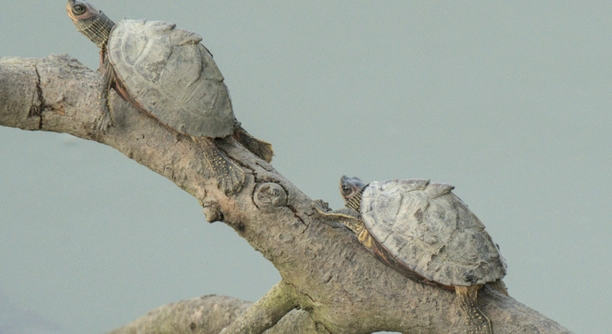
Do you want to buy a healthy Indian roofed tortoise but are unsure where to find a reputable store? Finding a trusted seller is essential to ensure the tortoise is well-cared for and ethically sourced.
The best reptile stores that sell healthy Indian roofed tortoises are those that prioritize proper husbandry, legal compliance, and high-quality care. These stores provide well-maintained habitats, proper nutrition, and expert guidance to help new and experienced owners care for their tortoises.
Learning about the best places to buy one can make your search easier. From knowledgeable staff to well-kept enclosures, these stores offer the right environment for a thriving pet.
The Importance of Buying from a Reputable Store
Purchasing an Indian roofed tortoise from a reputable store ensures that you receive a healthy pet raised in proper conditions. These stores follow ethical breeding practices, provide appropriate diets, and maintain clean enclosures. A well-cared-for tortoise will have a stronger immune system and a better chance of adapting to a new home. Poorly maintained stores often sell tortoises with health issues, leading to costly vet bills and unnecessary stress. A reliable store will also educate buyers on proper care, including diet, habitat, and long-term health requirements. This support is essential for both new and experienced owners.
Choosing a trusted store also helps prevent illegal wildlife trade. Some sellers obtain tortoises through unethical means, which harms wild populations. Supporting legal and responsible breeders ensures that tortoises are not taken from their natural habitats.
By buying from a reputable store, you gain access to expert advice, healthy animals, and a more rewarding experience as a pet owner. Researching and selecting the right store can make a significant difference in your tortoise’s well-being.
What to Look for in a Reptile Store
A good reptile store should prioritize the health and safety of its animals. Look for clean enclosures, active and alert tortoises, and knowledgeable staff who can answer questions.
Reputable stores will provide a well-maintained environment that mimics the tortoise’s natural habitat. This includes spacious enclosures with proper heating, lighting, and humidity control. Tortoises should be offered a balanced diet, including leafy greens and calcium supplements. Staff members should be familiar with the species and offer guidance on long-term care. Observing the tortoises before purchasing is important—healthy ones will have clear eyes, smooth shells, and steady movements.
A reliable store will also provide information about the tortoise’s origins. Ask whether they breed their tortoises or work with ethical suppliers. Avoid stores that cannot provide details about where the tortoises come from. Checking customer reviews and speaking with other reptile owners can help determine if a store is trustworthy.
Signs of a Healthy Indian Roofed Tortoise
A healthy Indian roofed tortoise will have clear, bright eyes and smooth, well-formed shells. Its movements should be steady, and it should show interest in its surroundings. A tortoise that appears lethargic, has swollen eyes, or has a soft shell may have underlying health issues.
The shell should be firm and free of cracks or unusual bumps. Soft or misshapen shells can indicate a lack of calcium or poor husbandry. The tortoise’s skin should also be free of excessive dryness, sores, or discoloration. If the tortoise is frequently hiding and refusing food, this could be a sign of stress or illness. Always observe how the tortoise interacts with its environment before making a purchase.
A good appetite is another strong indicator of health. A healthy tortoise will eagerly eat leafy greens, vegetables, and calcium-rich foods. If a tortoise refuses food or appears weak, it may have digestive or respiratory issues. Breathing should also be quiet and steady—wheezing or bubbles around the nose can indicate respiratory infections.
Questions to Ask the Seller
Ask the seller about the tortoise’s diet and habitat conditions. A knowledgeable seller should be able to explain what the tortoise eats and how its enclosure is maintained. If the seller is vague or avoids questions, consider looking elsewhere.
Request information about the tortoise’s origins. Reputable stores will either breed their tortoises or source them from ethical suppliers. It’s also important to ask if the tortoise has received any medical care or deworming treatments. Stores that prioritize the health of their animals will have records of veterinary checkups.
Inquire about the tortoise’s age and expected lifespan. Indian roofed tortoises can live for several decades, so understanding their long-term needs is essential. Ask about temperature and humidity requirements, as well as any specific behaviors to watch for. A good seller will provide detailed guidance to ensure the tortoise thrives in its new home.
Common Mistakes When Buying a Tortoise
Avoid purchasing a tortoise without researching its needs. Many new owners underestimate the space, diet, and temperature requirements. Without proper care, a tortoise can develop health issues that are difficult to treat. Always ensure you have the right setup before bringing one home.
Never buy from sellers who cannot provide information about the tortoise’s origin or health. Some stores sell wild-caught tortoises, which can be stressed and more prone to illness. Ethical sellers will be transparent about breeding practices and ensure their animals receive proper care before being sold.
How to Prepare for Your New Tortoise
Set up a proper enclosure with a heat source, UVB lighting, and a spacious area for movement. A well-balanced diet with leafy greens and calcium supplements is essential for shell health. Keeping the enclosure clean and maintaining the right humidity levels will help prevent respiratory and shell problems.
Final Considerations Before Buying
Owning a tortoise is a long-term commitment that requires time and effort. Researching reputable sellers, preparing the right environment, and understanding their care needs will ensure a healthy and happy pet.
FAQ
What should I feed my Indian roofed tortoise?
Indian roofed tortoises thrive on a diet consisting mainly of leafy greens such as kale, collard greens, and dandelion greens. They can also eat certain vegetables like carrots, squash, and bell peppers. It’s important to include calcium-rich foods, such as calcium supplements or cuttlebone, to support shell health. Fruit can be offered occasionally, but it should be limited due to its sugar content. Avoid feeding them processed or high-fat foods, as these can lead to obesity and other health problems.
How big do Indian roofed tortoises get?
Indian roofed tortoises typically grow to be about 10 to 14 inches in length when fully grown. Males are usually smaller than females, with females reaching the larger size. Their size is relatively moderate compared to other tortoise species, but they still require a spacious enclosure to move around comfortably.
How long do Indian roofed tortoises live?
Indian roofed tortoises can live for up to 50 years or more with proper care. This means they are a long-term commitment, and owners need to prepare for the responsibility of caring for them throughout their lifetime. Ensure you are ready for the time and financial investment that comes with keeping a tortoise for such an extended period.
What type of enclosure do they need?
Indian roofed tortoises need a spacious outdoor enclosure when possible. A secure outdoor pen with areas for hiding and basking under sunlight is ideal. If kept indoors, a large tank or tortoise table with ample space, a heat lamp, and UVB lighting are essential. The enclosure should also be well-ventilated and have a safe, dry space for the tortoise to retreat when it feels like hiding.
Do Indian roofed tortoises need special lighting?
Yes, UVB lighting is essential for Indian roofed tortoises. UVB light helps them produce vitamin D3, which is needed to absorb calcium properly. Without sufficient UVB exposure, tortoises can suffer from metabolic bone disease, leading to soft shells and weakened bones. You’ll need a UVB bulb that provides proper wavelengths, typically around 10-12% UVB.
Can I keep an Indian roofed tortoise with other pets?
Indian roofed tortoises should generally be kept alone or with other tortoises of the same species to avoid territorial behavior. They can be aggressive towards other animals, especially smaller pets. If you have other reptiles or animals, make sure they are compatible in size and temperament before introducing them to the same space.
How often should I clean my tortoise’s enclosure?
The enclosure should be cleaned regularly to prevent bacterial buildup and keep your tortoise healthy. Spot clean the habitat daily by removing any uneaten food, waste, or soiled bedding. The entire enclosure should be cleaned thoroughly with non-toxic cleaners every two weeks or as needed. This helps maintain a healthy living environment.
What temperature should their enclosure be?
Indian roofed tortoises need a warm environment. The basking area should be between 90°F and 95°F, while the cooler side of the enclosure should be around 75°F to 80°F. Maintaining this temperature gradient allows the tortoise to regulate its body temperature by moving between warm and cooler areas. Use a thermometer to ensure the temperature is accurate.
How often should I feed my Indian roofed tortoise?
Feed your Indian roofed tortoise daily with a variety of leafy greens and vegetables. It’s important to give them a balanced diet regularly, as tortoises need steady nutrition to support their growth and health. Offer food in the morning, and remove any leftovers after a few hours to keep the habitat clean.
Are Indian roofed tortoises good pets for beginners?
Indian roofed tortoises can be a good choice for beginners, provided that owners are prepared to meet their needs. While they don’t require as much attention as other pets, they do need a proper diet, a well-maintained enclosure, and some specialized care. If you’re ready to invest time into learning about their care, they can make excellent pets.
Do Indian roofed tortoises hibernate?
Indian roofed tortoises do not undergo true hibernation, but they do go through a period of dormancy during cooler months, especially if they are kept outdoors. During this time, their activity level may decrease, and they may not eat as much. Make sure the tortoise is still kept in appropriate temperature conditions if it becomes less active.
Can I take my Indian roofed tortoise outside?
Yes, you can take your Indian roofed tortoise outside, but ensure that the outdoor environment is safe and secure. Make sure the area is free from predators, such as dogs, birds, or other animals. Outdoor enclosures should have proper barriers to prevent the tortoise from escaping. Additionally, make sure your tortoise gets access to natural sunlight for UVB exposure.
What should I do if my tortoise is sick?
If you notice any signs of illness, such as lethargy, swollen eyes, or refusal to eat, it’s important to seek veterinary care as soon as possible. A vet experienced in reptiles can diagnose the issue and provide treatment. Make sure to keep the tortoise in a warm, clean, and comfortable space while awaiting medical attention.
Final Thoughts
Owning an Indian roofed tortoise can be a rewarding experience, but it comes with responsibility. These tortoises need a lot of care to thrive. If you decide to get one, you should be ready to meet their needs for the long term. This includes providing a proper diet, a spacious and safe enclosure, and regular attention to their health. While they are relatively low-maintenance pets compared to others, they do require consistent care and monitoring to ensure they stay healthy and happy.
Before purchasing an Indian roofed tortoise, it’s essential to do thorough research. Ensure that the store you buy from has a good reputation and follows ethical practices. Avoid buying from places that cannot provide clear information about where the tortoise comes from or its health history. Purchasing from a responsible seller guarantees you will receive a healthy tortoise that has been well cared for. You should also be prepared to ask the right questions and know what to look for in terms of health and well-being.
Finally, think about the long-term commitment involved in caring for an Indian roofed tortoise. These animals can live for decades, so it’s important to plan for their future needs. Whether you keep your tortoise indoors or outdoors, make sure their environment is suitable for their size and behavior. Keep in mind that owning a tortoise is not just about feeding and housing them—it’s about creating a stable, healthy environment that supports their overall well-being. With the right knowledge and dedication, your tortoise can be a wonderful companion for many years.

Hello,
If you enjoy the content that we create, please consider saying a "Thank You!" by leaving a tip.
Every little bit helps us continue crafting quality advice that supports the health, happiness, and well-being of pets around the world, for pets of all shapes, sizes, and species.
We really appreciate the kindness and support that you show us!