
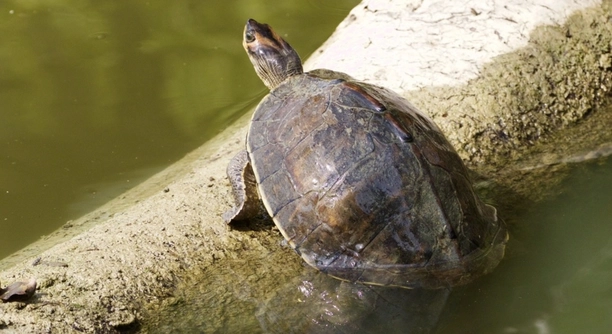
Is your Indian roofed tortoise refusing to eat as much as it should? A poor appetite can be concerning, especially when it affects the tortoise’s overall health. Encouraging natural eating habits is essential for maintaining its well-being.
The best way to improve an Indian roofed tortoise’s appetite naturally is by providing a varied diet, ensuring proper hydration, and maintaining optimal environmental conditions. A balanced habitat with correct lighting, temperature, and humidity supports healthy digestion and encourages regular eating.
A well-fed tortoise is a happy tortoise, and small changes can make a big difference. Understanding its dietary preferences and habitat needs will help you ensure a thriving and active pet.
Provide a Varied and Nutritious Diet
A healthy appetite starts with a diverse selection of fresh foods. Indian roofed tortoises enjoy leafy greens, vegetables, and occasional fruits. Mixing different textures and colors keeps meals interesting. Dark, leafy greens like collard greens, dandelion leaves, and mustard greens are excellent choices. Vegetables such as bell peppers, squash, and carrots provide essential vitamins. Fruits like papaya and mango should be fed sparingly due to their sugar content. Calcium is vital for shell health, so adding cuttlebone or calcium powder to their diet is beneficial. Avoid processed foods, dairy, and high-protein items to prevent digestive issues.
Tortoises can be picky, but gentle encouragement helps. Hand-feeding small pieces of food or offering treats in a shallow dish can make meals more appealing. Sometimes, warming food slightly enhances its aroma, making it more enticing. Patience is key when introducing new foods.
A well-balanced diet keeps your tortoise active and eager to eat. Paying attention to its preferences while ensuring variety makes a big difference. Providing fresh food daily and removing leftovers prevents spoilage, keeping meals appealing.
Maintain Proper Hydration and Humidity
Water plays a crucial role in digestion and appetite. A shallow dish of fresh water should always be available for drinking and soaking. Regular hydration keeps digestion smooth.
Humidity levels affect your tortoise’s health. Indian roofed tortoises thrive in a moderately humid environment. Keeping humidity between 60–80% prevents dehydration and supports digestion. A misted enclosure, a damp substrate, or a shallow soaking area helps maintain proper moisture. In dry conditions, tortoises may eat less, so monitoring humidity ensures they remain comfortable.
Dehydration can reduce appetite, so offering moisture-rich foods like cucumbers and melons helps. Weekly warm water soaks encourage hydration and improve digestion. If your tortoise is reluctant to eat, check its hydration levels. Simple adjustments to water intake and humidity create a comfortable habitat where eating feels natural.
Ensure Proper Lighting and Temperature
A tortoise’s appetite depends on warmth and light. A basking area should be around 90–95°F, while the rest of the enclosure stays cooler. UVB lighting is essential for calcium absorption and metabolism. Without proper heat and light, digestion slows, leading to reduced eating.
A 12-hour light cycle mimics natural conditions. Position a UVB lamp over the basking area to encourage natural behaviors. Use a ceramic heat emitter if extra warmth is needed at night. Regularly check bulbs, as UVB output decreases over time. A cool area between 75–85°F lets the tortoise regulate its body temperature.
If temperatures drop too low, metabolism slows, causing a lack of interest in food. Keeping thermometers in different parts of the enclosure ensures accuracy. Adjusting the heat source as needed prevents fluctuations that may affect eating habits. Stable temperatures create a comfortable and inviting environment for feeding.
Reduce Stress and Provide Enrichment
A calm environment encourages healthy eating. Too much noise, sudden movements, or frequent handling can make a tortoise anxious. A stressed tortoise may hide and refuse food. Keeping the enclosure in a quiet space with minimal disruptions helps it feel secure and comfortable.
Hiding spots and natural décor create a sense of safety. Adding rocks, logs, and plants allows the tortoise to explore, reducing stress. Providing a predictable routine with regular feeding times builds trust. Gentle handling, when necessary, keeps interactions positive. Avoid overcrowding if housing multiple tortoises, as competition for space can cause anxiety.
Enrichment activities stimulate natural foraging behaviors. Scattering food around the enclosure encourages movement and engagement. Occasionally changing the layout of decorations keeps things interesting. A relaxed and active tortoise is more likely to eat well and stay healthy.
Offer Fresh and Appealing Food
Stale or wilted food can discourage eating. Always provide fresh, pesticide-free vegetables and greens. Washing produce thoroughly removes harmful residues. Chopping food into bite-sized pieces makes it easier to eat. Rotating food choices prevents boredom and ensures a well-balanced diet.
Strong-smelling foods like hibiscus flowers or ripe fruits can attract interest. Lightly misting greens with water enhances freshness and hydration. Sometimes, placing food on a flat rock mimics natural foraging, making mealtime more engaging. A consistent feeding schedule helps establish routine eating habits.
Monitor Health and Behavior
A sudden loss of appetite may indicate illness. Check for symptoms like lethargy, weight loss, or swollen eyes. Parasites, respiratory infections, and metabolic issues can reduce hunger. If the tortoise refuses food for several days, a vet visit is necessary to rule out health concerns.
Adjust Feeding Techniques
Some tortoises prefer food slightly warmed or softened. Lightly steaming vegetables can release aromas that encourage eating. Hand-feeding small pieces helps build trust and stimulates interest. Changing food placement, such as using a shallow dish or scattering food, can make meals feel more natural and engaging.
FAQ
Why is my Indian roofed tortoise refusing to eat?
A tortoise may stop eating due to stress, improper temperatures, dehydration, or illness. A cold environment slows metabolism, making digestion difficult. Lack of UVB light affects calcium absorption, leading to appetite loss. Stress from loud noises, frequent handling, or a new environment can also cause temporary refusal of food.
What foods should I avoid feeding my tortoise?
Avoid feeding iceberg lettuce, as it lacks nutrients. High-protein foods like meat and dairy can cause kidney damage. Processed foods, bread, and sugary fruits should be excluded. Plants like rhubarb, spinach, and avocado are toxic to tortoises. Stick to leafy greens, safe vegetables, and occasional fruits for a balanced diet.
How often should I feed my tortoise?
Adult tortoises should be fed once a day, while younger tortoises may require two smaller meals daily. Overfeeding can lead to obesity and shell deformities. Providing a mix of greens and vegetables in appropriate portions ensures proper nutrition without excessive weight gain. Uneaten food should be removed to prevent spoilage.
Can I give my tortoise supplements?
Calcium supplements are essential for shell and bone health. Lightly dusting food with calcium powder a few times a week prevents deficiencies. A cuttlebone in the enclosure provides a natural calcium source. Avoid over-supplementation, as too much calcium can lead to kidney problems or mineral imbalances.
How do I encourage my tortoise to eat more?
Offering a variety of fresh foods keeps meals interesting. Warming food slightly enhances its smell, making it more appealing. Hand-feeding or placing food on a flat rock can stimulate natural foraging behaviors. Ensuring the enclosure has the right temperature, humidity, and UVB light supports a healthy appetite.
What should I do if my tortoise hasn’t eaten in days?
Check enclosure conditions first—ensure proper temperature, lighting, and humidity. Observe for signs of illness like lethargy, weight loss, or nasal discharge. If environmental conditions are correct but the tortoise still refuses food for a week, a vet visit is necessary to rule out underlying health issues.
Does my tortoise need a water bowl?
Yes, a shallow water dish should always be available. Tortoises drink and soak to stay hydrated. Dehydration can cause appetite loss and digestion issues. The water should be changed daily to keep it clean. Weekly warm water soaks also help with hydration and promote healthy eating habits.
Can stress affect my tortoise’s eating habits?
Yes, stress reduces appetite. Frequent handling, loud noises, or sudden enclosure changes can make a tortoise feel unsafe. Providing hiding spots, keeping the enclosure in a quiet area, and maintaining a consistent feeding routine help reduce stress. A calm and familiar environment encourages normal eating behavior.
Should I change my tortoise’s diet seasonally?
Yes, seasonal adjustments can help maintain variety and health. In warmer months, fresh leafy greens and vegetables should be the primary diet. In cooler months, some tortoises naturally eat less, so offering more fiber-rich foods like hay and dried leaves can support digestion and prevent weight loss.
What signs indicate my tortoise is eating enough?
A healthy tortoise maintains a steady weight, has clear eyes, and shows regular activity. Its shell should be smooth without visible deformities. If the tortoise eats daily, stays active, and passes normal droppings, it is likely getting enough food. Monitoring weight regularly ensures a balanced diet and overall well-being.
Final Thoughts
Keeping an Indian roofed tortoise healthy means providing the right diet, environment, and care. A varied diet with fresh vegetables, leafy greens, and occasional fruits ensures proper nutrition. Clean water should always be available for drinking and soaking. The right temperature, humidity, and UVB lighting help with digestion and overall well-being. A stable and comfortable environment encourages natural eating habits, reducing the chances of appetite loss. Small changes, such as offering different foods or adjusting feeding techniques, can make a big difference. Paying attention to what your tortoise enjoys eating and making adjustments based on its needs will keep it healthy and active.
Monitoring behavior is important when ensuring a tortoise is eating properly. A sudden loss of appetite could be a sign of stress, illness, or improper habitat conditions. Checking for signs like lethargy, weight loss, or difficulty moving helps identify potential issues early. If appetite loss continues for several days, a vet visit may be necessary. Stress from a noisy environment, frequent handling, or changes in the enclosure can also affect eating habits. Keeping the habitat calm, predictable, and enriched with natural elements can help reduce anxiety. Encouraging foraging behaviors by placing food in different areas of the enclosure keeps feeding time interesting.
A tortoise’s needs change over time, so regular care and observation are essential. Offering fresh food, maintaining proper hydration, and ensuring a stress-free environment all contribute to a tortoise’s well-being. Adjustments to diet and habitat based on seasonal changes or observed behavior can help maintain a healthy appetite. Creating a routine and staying attentive to small details will make a noticeable difference. A well-cared-for tortoise will remain active, eat regularly, and live a long, healthy life.

Hello,
If you enjoy the content that we create, please consider saying a "Thank You!" by leaving a tip.
Every little bit helps us continue crafting quality advice that supports the health, happiness, and well-being of pets around the world, for pets of all shapes, sizes, and species.
We really appreciate the kindness and support that you show us!