
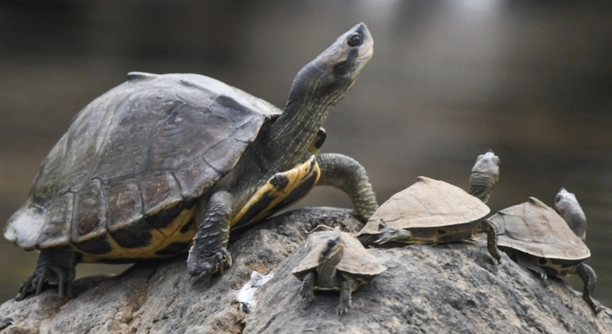
Introducing an Indian Roofed Tortoise to a new environment can be a delicate process. These turtles are sensitive to changes in their surroundings, requiring special attention and care to ensure a smooth transition.
The safest way to introduce an Indian Roofed Tortoise to a new environment is by gradually acclimating it to the space. Start by setting up a secure habitat with appropriate temperature, humidity, and hiding spots. This minimizes stress.
Proper introduction techniques will help your tortoise adjust to its new home with ease. Following a few key steps can lead to a happy, healthy pet.
Preparing the New Habitat for the Indian Roofed Tortoise
Before bringing your tortoise into a new environment, it’s important to set up a proper habitat. The enclosure should be spacious enough for the tortoise to move around freely. Make sure to provide a basking area with a heat source, as well as a cooler area for them to rest. The enclosure should also be secure, with no gaps that the tortoise could escape through.
A properly maintained habitat includes the right humidity level, a clean water source, and places for your tortoise to hide. Substrate like coconut coir or grass hay can mimic their natural habitat, providing comfort. These steps ensure your tortoise is not overwhelmed by its new surroundings.
Lighting is also crucial for the tortoise’s health. UVB lighting helps with calcium absorption and supports its overall well-being. Regular maintenance of the enclosure is key. Keep the habitat clean by changing the water regularly and monitoring the temperature and humidity levels. This helps reduce stress and promotes comfort.
Gradual Acclimation to the New Environment
Once the habitat is set up, it’s time to introduce the tortoise to its new home. Start by letting it explore the area at its own pace.
At first, your tortoise may seem hesitant to explore its new environment. This is normal and will gradually change. Let your tortoise adjust to the space by keeping the lights low and offering food in the same spot daily. This routine helps establish a sense of security. The first few days may involve just exploring and settling into its new space. Avoid handling too much at the beginning, as this can cause unnecessary stress. Over time, your tortoise will feel more comfortable. This slow introduction minimizes the risk of overwhelming your pet.
Maintaining Proper Temperature and Humidity
Temperature and humidity are essential for the well-being of your Indian Roofed Tortoise. Keeping the environment stable will help them adjust more easily to their new home. Use a thermometer and hygrometer to monitor the habitat.
The basking area should be around 90°F to 95°F, while the cooler side of the enclosure can range between 75°F to 85°F. These temperature gradients allow the tortoise to regulate its body heat. The humidity level should be maintained at around 60% to 80%, as this is ideal for their skin and respiratory health. It’s important to adjust the heat source and mist the enclosure if necessary to keep things just right.
If the humidity level drops too low, your tortoise may become stressed, and this could lead to health issues like dehydration. Mist the habitat lightly in the mornings and evenings, especially if you live in a dry climate. Regularly check the temperature and humidity to ensure the conditions remain within the safe range. These small adjustments make a huge difference in how well your tortoise will settle in.
Feeding Your Indian Roofed Tortoise
Feeding your tortoise properly ensures they stay healthy and active in their new home. Offer a variety of foods that are high in fiber and low in protein. Leafy greens such as dandelion, kale, and collard greens work best.
Avoid feeding your tortoise too much fruit or other sugary foods. While it may seem tempting to offer them treats, too much sugar can lead to obesity and digestive problems. A balanced diet is essential to their health and helps in their adjustment to a new environment. You can also offer them a small amount of hay, which is a great source of fiber.
Provide fresh water in a shallow dish so they can drink and soak in it. Tortoises like to hydrate by soaking in water for a while, so make sure they have enough space for that. Always clean the water bowl daily to avoid bacteria build-up. By sticking to a healthy diet and routine, your tortoise will feel more comfortable and stay in good health.
Handling Your Indian Roofed Tortoise
When introducing your Indian Roofed Tortoise to its new environment, avoid handling it too much at first. Give it time to explore and adjust.
Handling can stress out your tortoise if done too frequently. Let it acclimate to its habitat without added pressure. After a few days, you can gradually start to handle it more often, but always keep the sessions short. Avoid grabbing or startling the tortoise, as this can cause unnecessary stress. Instead, gently scoop it up from underneath, supporting its shell.
Handling your tortoise in a calm and controlled way will help build trust and comfort over time. This gradual approach ensures your tortoise feels safe and secure in its new environment.
Providing Hiding Spaces
Tortoises need a place to retreat when they feel stressed or need privacy. Hiding spaces like logs or small boxes are essential in their enclosure.
Make sure the hiding spaces are easily accessible and spacious enough for your tortoise to feel secure. It’s important to have at least one hiding area on the cooler side of the habitat. This gives your tortoise a place to relax and retreat, reducing stress. You may want to add more than one hiding spot, as this allows them to choose a preferred location.
Monitoring Health
Regularly check your tortoise for signs of illness, such as loss of appetite, lethargy, or abnormal behavior. Early detection can help avoid more serious problems.
FAQ
How long does it take for an Indian Roofed Tortoise to adjust to a new environment?
It typically takes an Indian Roofed Tortoise a few days to a couple of weeks to adjust to a new environment. During this time, they may seem hesitant and spend most of their time hiding. Be patient, as it’s normal for them to be cautious. Once they feel comfortable, you’ll start to notice them exploring and becoming more active. The key is to ensure the habitat is set up correctly, with the right temperature, humidity, and hiding spaces. Keeping the environment stable helps speed up the adjustment process.
Can I house more than one Indian Roofed Tortoise together?
While it’s possible to house more than one tortoise in the same enclosure, it’s important to be cautious. Tortoises are solitary animals and can become territorial. If you decide to house multiple tortoises, ensure the enclosure is large enough to prevent overcrowding. Also, provide separate basking spots and hiding areas to reduce stress and prevent aggressive behavior. It’s always a good idea to monitor them closely at first to see how they interact. If you notice signs of aggression, it may be best to house them separately.
What should I do if my tortoise is not eating?
If your tortoise refuses to eat, it could be a sign of stress, illness, or improper environmental conditions. First, check the temperature and humidity levels in the enclosure. If they are not within the ideal range, adjust them. Also, make sure you’re offering fresh, nutritious food, avoiding too many sugary treats. If the tortoise still refuses to eat after adjusting the habitat and diet, it might be a good idea to consult a vet. Lack of appetite can sometimes indicate a health issue, so it’s important to act quickly if this continues.
How often should I clean the enclosure?
The enclosure should be cleaned regularly to prevent bacteria build-up. Remove any uneaten food and waste daily. You should do a more thorough cleaning once a week, including changing the substrate if needed. Regular cleaning not only ensures a healthier environment for your tortoise but also helps prevent odors and parasites. Make sure to disinfect the water dish and any other equipment used, such as basking lamps or hides, to maintain a clean and safe environment.
Can I feed my tortoise vegetables from my garden?
Yes, you can feed your tortoise some vegetables from your garden, but you should be careful about pesticides or chemicals. Always wash the vegetables thoroughly to remove any traces of these substances. Avoid feeding them vegetables like spinach, which contains oxalates that can interfere with calcium absorption. Offer a variety of safe leafy greens like dandelion leaves, collard greens, and romaine lettuce. Make sure the food you provide is free of any harmful chemicals, as this can affect your tortoise’s health.
How do I know if my tortoise is sick?
Signs of illness in an Indian Roofed Tortoise include lethargy, loss of appetite, respiratory issues (such as wheezing or nasal discharge), swelling, or abnormal behavior. If you notice any of these symptoms, it’s important to take your tortoise to a vet specializing in reptiles. Early intervention can prevent more serious health problems. Regular check-ups and monitoring are important to catch potential health issues early. Make sure your tortoise is kept in the correct environmental conditions to prevent stress and illness.
Can I use a heat lamp for my tortoise’s basking area?
Yes, using a heat lamp is a common and effective way to create a basking area for your tortoise. The heat lamp should provide a temperature range of 90°F to 95°F in the basking area. Ensure that the light is positioned in a way that allows your tortoise to move between the warmer and cooler parts of the enclosure. A UVB light is also essential for calcium absorption, so make sure to provide both heat and UVB lighting. Be cautious not to overheat the habitat, as excessive heat can cause stress or dehydration.
How do I handle my tortoise without stressing it?
Handling your tortoise gently and infrequently is key to reducing stress. When you do handle it, always support the tortoise from underneath, rather than picking it up by its limbs or tail. Keep the handling sessions short and calm, allowing the tortoise to explore your hands or lap if it feels comfortable. Avoid sudden movements or loud noises that could startle it. Let your tortoise settle into its new environment before handling, and always ensure it has plenty of time to explore on its own.
What is the best substrate for an Indian Roofed Tortoise?
The best substrate for an Indian Roofed Tortoise is one that is both safe and helps maintain proper humidity levels. Coconut coir, cypress mulch, or grass hay work well for this purpose. These substrates help create a natural and comfortable environment for your tortoise. Avoid using sand, as it can cause digestive issues if ingested. Make sure the substrate is deep enough for burrowing, as tortoises enjoy digging and hiding. Regularly change the substrate to prevent bacteria and odors from building up.
Is it necessary to provide UVB light for my tortoise?
Yes, providing UVB light is essential for your tortoise’s health. UVB helps them synthesize vitamin D3, which is necessary for calcium absorption. Without UVB, your tortoise can develop metabolic bone disease, which can lead to weakened bones and other health issues. Ensure the UVB light is positioned properly within the basking area, and replace the bulbs every 6 to 12 months, as their effectiveness decreases over time. UVB lighting should be used in combination with a heat lamp to maintain the proper temperature and lighting conditions for your tortoise.
Final Thoughts
Introducing an Indian Roofed Tortoise to a new environment requires careful planning and attention to detail. The most important factor is to ensure that the habitat is set up correctly before bringing your tortoise home. This includes providing the right temperature, humidity, and hiding spaces. A proper environment will reduce stress and make your tortoise feel safe and secure in its new surroundings. Gradual acclimation is also key. Let your tortoise take its time exploring its new home, and avoid handling it too much in the beginning. With patience, your tortoise will slowly adjust and become comfortable in its new space.
Regular monitoring of the habitat is essential to maintain the right conditions. Temperature and humidity can fluctuate, so it’s important to use tools like thermometers and hygrometers to track these changes. Keeping the water bowl clean and providing fresh food every day will also contribute to a healthy living environment. If your tortoise is not eating or behaving unusually, check the habitat conditions first to rule out environmental stress. If needed, consult a vet to ensure your tortoise is not facing any health issues. Keeping a routine for feeding, cleaning, and handling can help your tortoise adjust more quickly and stay healthy.
Ultimately, the key to successfully introducing an Indian Roofed Tortoise to a new environment is consistency. Whether it’s the right lighting, temperature, or feeding routine, your tortoise will thrive in a stable and caring environment. By providing the best care, you can help your tortoise live a long and healthy life in its new home. With attention to detail, patience, and observation, you will be able to create a welcoming environment that supports the natural behavior and well-being of your tortoise.

Hello,
If you enjoy the content that we create, please consider saying a "Thank You!" by leaving a tip.
Every little bit helps us continue crafting quality advice that supports the health, happiness, and well-being of pets around the world, for pets of all shapes, sizes, and species.
We really appreciate the kindness and support that you show us!