
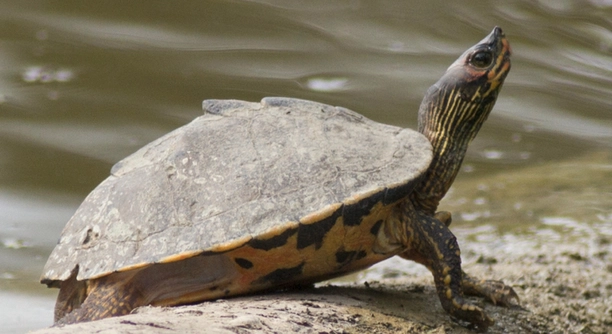
Reptile care requires attention to detail, especially when it comes to your Indian Roofed Tortoise’s UVB exposure. It’s important to know the signs of inadequate UVB for their health and well-being.
The lack of proper UVB exposure can cause your Indian Roofed Tortoise to suffer from issues like weak bones, lack of appetite, or changes in behavior. Monitoring and adjusting UVB light is vital for its overall health.
Proper UVB light ensures your tortoise thrives. In this article, we’ll go over the signs that may indicate your tortoise needs more UVB exposure to help them stay healthy and happy.
1. Tortoise Is Showing Signs of Weakness or Lethargy
One of the most noticeable signs that your Indian Roofed Tortoise needs more UVB exposure is a sudden decrease in activity. If your tortoise has become sluggish, barely moving, or spending too much time hiding, it could be a sign of poor health linked to UVB deficiency. UVB light plays a crucial role in helping your tortoise absorb calcium, which is vital for bone health and energy. Without enough UVB, the tortoise might become weak and uncoordinated, making it difficult to do basic activities like walking or exploring.
These symptoms often point to insufficient UVB. When this happens, your tortoise’s ability to produce vitamin D3, necessary for calcium absorption, is compromised. This lack of vitamin D3 leads to soft bones and muscles, causing lethargy.
If you’ve noticed this behavior in your tortoise, it’s crucial to assess the lighting setup and make adjustments to ensure the proper amount of UVB is available. It’s easy to fix, but quick action is important to prevent further health issues.
2. Loss of Appetite or Decreased Feeding Habits
If your tortoise is refusing to eat or its feeding habits have changed dramatically, inadequate UVB exposure could be to blame. A lack of UVB can lead to a loss of appetite, making it difficult for your tortoise to digest food properly.
Without sufficient UVB, your tortoise struggles to metabolize calcium and nutrients, which affects their hunger and overall health. A decrease in appetite can quickly lead to malnutrition if left unchecked. Ensure your UVB light is positioned at the correct distance and provide a balanced diet to help address this issue.
3. Shell Deformities or Softness
If your Indian Roofed Tortoise’s shell appears soft, deformed, or misshapen, it is a clear indication that they are not receiving adequate UVB exposure. UVB light is essential for the proper development of their shell and bones, as it helps with calcium absorption. Without enough UVB, their shells may lose strength and become pliable.
A soft or weak shell can also cause discomfort for your tortoise and make it difficult for them to move properly. Over time, this can worsen into severe deformities. You may notice unusual indentations, uneven growth patterns, or a noticeable lack of firmness in the shell.
Proper UVB lighting should be used regularly to ensure your tortoise’s shell stays strong. If you see signs of deformities, it’s important to review your UVB setup immediately to prevent further damage. This condition can be reversed with proper care, but acting quickly is key.
4. Increased Aggression or Stress
A tortoise that is exposed to inadequate UVB light can also show signs of aggression or stress. This may include sudden changes in behavior, such as biting, hissing, or retreating into its shell more often than usual.
Lack of UVB affects your tortoise’s ability to regulate its energy levels, leading to frustration and stress. Stress is a known trigger for aggression, and tortoises may react aggressively when they feel discomfort or insecurity. Additionally, stress can suppress their immune system, making them more vulnerable to illness.
If you notice your tortoise acting out, consider adjusting their UVB lighting. The right amount of UVB exposure can help keep them calm, healthy, and well-adjusted. Monitor their behavior carefully, and if aggression continues, check the environment to ensure they have the right balance of light and comfort.
5. Discoloration of the Skin
If your tortoise’s skin starts changing color, such as becoming pale or darkening, it could be due to insufficient UVB exposure. UVB is necessary for synthesizing vitamin D3, which helps your tortoise absorb calcium. Without proper UVB light, this can lead to various health issues, including skin discoloration.
Skin discoloration might be a sign that your tortoise is suffering from a calcium deficiency. If the issue continues, it could cause more serious health problems. Ensure your UVB light is at the correct intensity and distance from your tortoise’s habitat to prevent further skin issues.
6. Frequent Respiratory Problems
Respiratory issues are a common sign of stress and weak immune systems, which can be caused by a lack of UVB exposure. If your tortoise is wheezing, coughing, or showing other signs of difficulty breathing, inadequate lighting could be to blame. UVB plays a role in boosting the immune system.
Weak immunity can make your tortoise more prone to infections, especially in the respiratory system. When the tortoise doesn’t get enough UVB, its ability to fight off illnesses is compromised, leading to frequent respiratory issues. To fix this, ensure the UVB light is properly set up and that your tortoise’s overall environment is clean and stress-free.
7. Reduced Activity in the Sun
Indian Roofed Tortoises, like most reptiles, naturally seek out sunlight to bask. If your tortoise shows little interest in basking or seems uninterested in spending time under the heat source, the UVB light setup might not be sufficient. Tortoises rely on UVB light for their vitamin D3 production, which supports their calcium absorption and overall health. If the tortoise avoids basking, it could indicate that the UVB exposure isn’t adequate or properly positioned.
FAQ
How much UVB light does my Indian Roofed Tortoise need?
Your Indian Roofed Tortoise needs UVB light for about 10-12 hours a day. UVB lights should be placed within 6-12 inches of your tortoise, depending on the light’s strength. It’s essential to use a high-quality UVB bulb that provides the right amount of UVB radiation. Over time, UVB bulbs lose their effectiveness, so they should be replaced every 6-12 months. Keep in mind that natural sunlight is also a great option if you can safely provide it.
Can I use regular light bulbs instead of UVB bulbs?
No, regular light bulbs will not provide the necessary UVB rays for your tortoise. UVB light specifically helps your tortoise absorb calcium, which is crucial for its health. Regular bulbs only provide visible light and heat but lack the UVB spectrum. Always use bulbs labeled as UVB to ensure your tortoise gets what it needs.
What type of UVB bulb should I use?
For an Indian Roofed Tortoise, it’s best to use a fluorescent tube UVB bulb or a mercury vapor bulb. The fluorescent tube is commonly used and affordable, offering a broad UVB spectrum. Mercury vapor bulbs, while more expensive, combine both UVB and heat in one light source, making them more efficient. Either option is suitable, but ensure it’s designed specifically for reptiles.
How do I know if my UVB bulb is still working?
UVB bulbs lose their effectiveness over time, even if they still emit visible light. You should replace your UVB bulb every 6-12 months. To check if it’s still working, you can use a UVB meter to measure the light output. Alternatively, observe your tortoise’s health. If you notice signs like lethargy, shell deformities, or other symptoms of UVB deficiency, it’s time to replace the bulb.
Can my tortoise get enough UVB from natural sunlight?
Yes, natural sunlight can provide adequate UVB exposure. However, direct sunlight should be provided for a short time (15-30 minutes daily) and only in a safe, controlled environment. Be cautious about temperature and avoid exposing your tortoise to extreme heat or cold. In areas with limited sunlight or during the winter months, artificial UVB lighting becomes essential to ensure your tortoise gets the proper exposure.
Should I provide a basking spot for my tortoise?
Yes, providing a basking spot is crucial. Tortoises need a place where they can warm up and absorb UVB rays. The basking area should be under the UVB light and be heated to around 85-90°F (29-32°C) during the day. This helps with digestion, metabolism, and overall health. A thermometer can help you maintain the right temperature.
What happens if my tortoise doesn’t get enough UVB?
Without enough UVB exposure, your tortoise can develop metabolic bone disease (MBD), which weakens bones and causes deformities. They may also become lethargic, lose appetite, and experience difficulty moving. In severe cases, lack of UVB can lead to death. UVB is crucial for calcium metabolism and overall health, so it’s important to monitor your tortoise’s UVB exposure carefully.
How can I set up the UVB light correctly for my tortoise?
To set up the UVB light, place it about 6-12 inches above your tortoise’s basking area. Ensure the UVB light is on for 10-12 hours a day and provide a heat source to maintain proper basking temperatures. The basking area should have a warm spot of around 85-90°F (29-32°C). Avoid placing the light too far away, as it will reduce the UVB output and make it less effective.
What is the difference between UVA and UVB light?
UVA light helps with your tortoise’s behavior, such as promoting feeding and mating behavior, but it doesn’t help with calcium absorption. UVB light, on the other hand, is essential for your tortoise’s health, as it helps produce vitamin D3, which in turn helps absorb calcium. UVB is critical for bone and shell development. Always ensure you’re providing UVB light specifically for reptiles.
Can I overexpose my tortoise to UVB light?
Yes, overexposure to UVB light can be harmful to your tortoise. Too much UVB can cause burns or damage the eyes and skin. It’s important to have a proper distance between the UVB light and your tortoise and limit the amount of exposure to the recommended hours per day. Make sure your tortoise has access to shaded areas in its enclosure so it can retreat if needed.
What signs should I look for if my tortoise isn’t getting enough UVB?
Signs of UVB deficiency include lethargy, soft or deformed shells, lack of appetite, and changes in behavior. If your tortoise starts acting unusually, such as hiding more or moving less, it could be a sign that it’s not receiving enough UVB. Other symptoms like swollen joints, weakness, and difficulty moving can also indicate a need for more UVB exposure.
Can UVB light affect my tortoise’s behavior?
Yes, UVB light can influence your tortoise’s behavior. Proper UVB exposure can help regulate its circadian rhythm, making it more active during the day. If your tortoise is not getting enough UVB, it may become lethargic or lose interest in activities like feeding and basking. UVB light also supports overall health, making your tortoise feel more energetic and alert.
Final Thoughts
UVB light is essential for the health and well-being of your Indian Roofed Tortoise. Without the proper amount of UVB, your tortoise can experience a range of health problems, from bone weakness to behavioral issues. It’s important to understand the signs of UVB deficiency so that you can address the problem early. Providing the correct UVB lighting setup can make a huge difference in the overall health of your tortoise, ensuring they live a long and healthy life.
There are different ways to provide UVB light to your tortoise, whether through natural sunlight or UVB bulbs. Both options have their benefits, but it’s important to ensure that the lighting is placed correctly and replaced regularly to maintain its effectiveness. If you notice any signs of UVB deficiency, such as changes in your tortoise’s activity levels, appetite, or shell condition, it’s crucial to act quickly. Adjusting their environment or lighting setup can often resolve the issue before it becomes more serious.
In the end, taking care of your Indian Roofed Tortoise’s UVB needs is one of the simplest but most important parts of reptile care. Keeping their environment well-lit, with the right type of UVB light and proper temperature control, helps your tortoise thrive. Regularly monitoring their health and lighting will ensure that they get the necessary exposure to UVB, which is key to maintaining a healthy, happy tortoise.

Hello,
If you enjoy the content that we create, please consider saying a "Thank You!" by leaving a tip.
Every little bit helps us continue crafting quality advice that supports the health, happiness, and well-being of pets around the world, for pets of all shapes, sizes, and species.
We really appreciate the kindness and support that you show us!