
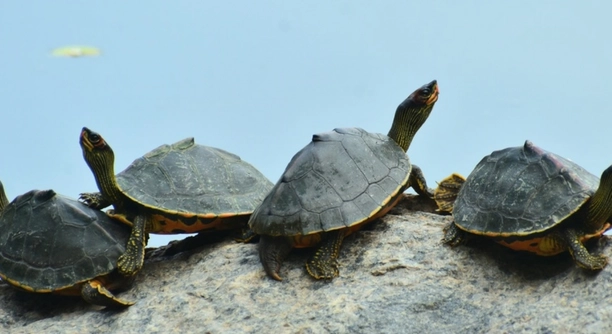
Owning an Indian Roofed Tortoise requires more than just basic care. Having the right tools is essential to maintaining a healthy, comfortable environment for your pet. These tools can ensure proper habitat and care.
The necessary tools for Indian Roofed Tortoise care include a suitable enclosure, UVB lighting, heating elements, water dishes, substrate, food dishes, and a thermometer. These items are essential for creating an optimal environment that supports the tortoise’s health and well-being.
With the right equipment, you can create a balanced habitat. Ensuring your tortoise has everything it needs will help promote its long-term health.
Choosing the Right Enclosure for Your Tortoise
The enclosure is a critical element of your tortoise’s care. It must be spacious enough for them to roam comfortably. A well-sized enclosure ensures they have enough space to exercise, explore, and hide. The enclosure should also be secure to keep your tortoise safe from potential hazards.
A proper enclosure will allow the tortoise to feel secure while providing them with a variety of areas for resting, eating, and moving around. Make sure the walls are tall enough to prevent escapes.
In terms of material, a wooden or plastic enclosure is suitable. Avoid glass tanks, as they can trap heat and prevent proper ventilation. Be sure to include a layer of substrate, like coconut coir or soil, to mimic their natural environment and allow them to dig. Additionally, adding hiding spots will help your tortoise feel secure. Always ensure the enclosure is free of sharp edges or anything that could harm your pet.
UVB Lighting for Proper Health
UVB lighting plays a major role in your tortoise’s health.
Providing a good UVB light source ensures your tortoise can produce vitamin D3, which is essential for calcium absorption. Without adequate UVB lighting, they may develop shell deformities or metabolic bone disease.
Proper Heating for Your Tortoise
Heating your tortoise’s enclosure is crucial for their well-being. A heat source helps regulate their body temperature, which is vital for digestion and overall health. The heat should be consistent and controlled.
A basking light is the best option for creating a warm area. Place it in one corner of the enclosure, ensuring your tortoise can move between warm and cooler spots. A temperature gradient is important, as tortoises need the ability to regulate their body temperature. Keep the basking area between 95-100°F and the cooler area around 75°F.
In addition to the basking light, a ceramic heat emitter can be used for nighttime warmth without producing light. Avoid using incandescent bulbs as they can overheat the enclosure. Consider adding a thermostat to help monitor the temperatures and ensure your tortoise is always in a comfortable range.
Hydration is Key
Your tortoise needs constant access to clean water.
Water is essential for maintaining hydration and supporting their digestion. A shallow dish that is easy to access is perfect for drinking. Ensure the water is refreshed daily and free from contaminants.
Substrate for Your Tortoise’s Enclosure
Substrate is important for mimicking your tortoise’s natural environment.
Choose a substrate that allows your tortoise to dig and explore. Options like coconut coir, soil, and shredded paper are safe and effective. Avoid using sand or gravel, as they can cause impaction if ingested.
Food and Water Dishes
Proper dishes are necessary for feeding and hydration.
Ensure that the food and water dishes are sturdy and won’t tip over easily. Shallow dishes are ideal to prevent accidental drowning while giving your tortoise access to their meals. Clean the dishes daily to prevent bacteria growth.
Thermometer for Monitoring Temperature
A thermometer helps you keep track of the temperature in the enclosure.
Using both a digital or analog thermometer, you can monitor both the basking area and cooler zones. Temperature regulation is critical for your tortoise’s health. Keeping the enclosure at the correct range ensures your tortoise thrives.
FAQ
What is the ideal temperature for an Indian Roofed Tortoise?
The ideal temperature for an Indian Roofed Tortoise ranges between 75-85°F during the day, with a basking area heated to around 95-100°F. At night, the temperature should drop to about 70-75°F. This range allows your tortoise to regulate its body heat and aids in proper digestion.
How often should I feed my tortoise?
Tortoises typically eat every other day. Offer them a variety of fresh vegetables, fruits, and leafy greens. Avoid overfeeding high-protein foods like meat or eggs. Too much protein can harm their kidneys over time. Monitor their eating habits and adjust based on their size and health.
Can Indian Roofed Tortoises be kept together?
It’s possible for Indian Roofed Tortoises to be housed together, but it requires caution. Male tortoises, in particular, may be territorial, leading to aggression. Ensure they have ample space to avoid conflicts. If you’re housing more than one, make sure there are multiple hiding spots to help them feel secure.
Do Indian Roofed Tortoises need a UVB light?
Yes, UVB light is essential for the health of your tortoise. It helps them produce vitamin D3, which is necessary for calcium absorption. Without UVB light, your tortoise may suffer from metabolic bone disease or shell deformities. Use a UVB bulb specifically designed for reptiles, and replace it regularly as the UVB output diminishes over time.
How much space does an Indian Roofed Tortoise need?
An Indian Roofed Tortoise needs a spacious enclosure. A 4-foot long by 2-foot wide enclosure is ideal for one adult tortoise. If you house more than one, increase the space to accommodate the additional tortoises. Make sure there is enough room for them to roam, bask, and hide comfortably.
Can I feed my tortoise fruits?
Fruits can be given as treats but should not make up the majority of their diet. Offer fruits like apples, melons, or strawberries in moderation. Too much sugar can lead to obesity or digestive issues. The focus should be on leafy greens, grasses, and vegetables for balanced nutrition.
How often should I change the substrate in the enclosure?
The substrate should be replaced or cleaned regularly to prevent bacteria buildup. If the substrate is soiled, replace it immediately. Generally, a full substrate change every month is recommended, but it depends on the amount of waste your tortoise produces. Keep the substrate dry to prevent mold.
Do Indian Roofed Tortoises need a companion?
Indian Roofed Tortoises can live alone and don’t necessarily need a companion. They are solitary creatures in the wild. However, some owners choose to house them with other tortoises, but this should be done carefully to ensure they have enough space and aren’t stressed by the presence of others.
What should I do if my tortoise isn’t eating?
If your tortoise isn’t eating, check the temperature of the enclosure, as improper heating can cause loss of appetite. Stress, illness, or a change in diet can also be factors. If the issue persists for more than a few days, consult with a veterinarian to rule out any underlying health issues.
Can I let my tortoise roam outside?
It’s fine to let your tortoise roam outside, provided the weather is suitable and the area is secure. Always supervise your tortoise to prevent escape or injury. Ensure the ground is free of pesticides, predators, and toxic plants. A safe, enclosed area with access to shade is ideal.
How can I tell if my tortoise is healthy?
A healthy tortoise should have clear, bright eyes, a smooth, firm shell, and be active when awake. They should be eating well and have regular bowel movements. If your tortoise is lethargic, has swollen eyes, or shows signs of weight loss, it’s time to consult a vet.
What is the lifespan of an Indian Roofed Tortoise?
Indian Roofed Tortoises can live for 50 years or more with proper care. Like all reptiles, they thrive with consistent attention to their habitat, diet, and health. Ensure you’re ready for a long-term commitment before adopting one.
Do I need to bathe my tortoise?
Tortoises don’t require frequent baths, but occasional baths help with hydration, especially if they aren’t drinking enough water. A gentle soak in warm water for 10-15 minutes once a week is typically sufficient. Always supervise during bath time to ensure safety.
Can Indian Roofed Tortoises swim?
Indian Roofed Tortoises are not strong swimmers and should not be left in deep water. While they can handle shallow water, they should always have a dry area to rest. If you provide a water dish, make sure it’s shallow enough for them to get in and out easily.
What do I do if my tortoise is shedding its scutes?
Shedding scutes (the hard, outer layers of the shell) is a natural process for tortoises, especially during growth periods. Ensure the tortoise has a proper diet with enough calcium to support healthy shell growth. If the shedding seems excessive or the shell underneath appears damaged, consult a veterinarian.
Final Thoughts
Caring for an Indian Roofed Tortoise requires commitment and attention to detail. These tortoises are hardy, but they need the right environment, diet, and proper health monitoring to thrive. Ensuring that they have adequate space, temperature regulation, and proper substrates is essential for their well-being. Regularly cleaning their enclosure and providing fresh food and water also plays a major role in their health. Small changes, such as adjusting the lighting or feeding habits, can make a significant difference in their quality of life.
While they are relatively low-maintenance, Indian Roofed Tortoises still need a stable routine. They are solitary creatures and do not require constant interaction, but they benefit from time spent in a safe, secure environment. Their shell health is a direct reflection of their overall care, so taking the time to provide calcium-rich foods and proper UVB lighting is crucial. Over time, with the right care, your tortoise will grow to be a healthy and content companion.
Lastly, it’s important to remember that these tortoises can live for several decades. The decision to keep one should not be taken lightly, as they require long-term dedication. Monitoring their behavior and health regularly ensures that you address any issues early. A well-cared-for Indian Roofed Tortoise can bring joy for years, and with the proper tools and knowledge, you can give them the best life possible.

Hello,
If you enjoy the content that we create, please consider saying a "Thank You!" by leaving a tip.
Every little bit helps us continue crafting quality advice that supports the health, happiness, and well-being of pets around the world, for pets of all shapes, sizes, and species.
We really appreciate the kindness and support that you show us!