
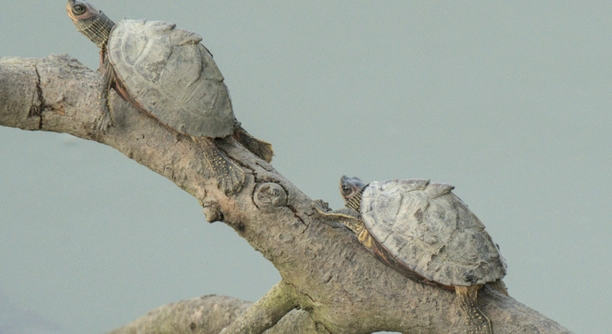
Indian roofed tortoises are fascinating creatures with unique behaviors. One of the most surprising actions they may display is digging up their own eggs. Understanding why this happens can help tortoise owners better care for these reptiles.
Indian roofed tortoises may dig up their eggs for various reasons, including natural instincts, environmental factors, and physical conditions. Stress, poor nesting sites, or even the need to re-bury eggs are all contributing factors to this behavior.
Understanding the reasons behind this behavior will help you create a better environment for your tortoise and ensure its well-being.
Natural Instincts Behind Digging Behavior
Indian roofed tortoises may dig up their eggs due to their natural instincts. In the wild, this behavior could be linked to predators, climate conditions, or the need to ensure the eggs remain in a safe spot. These tortoises have evolved to dig and rebury eggs to protect them from environmental hazards. Even in captivity, their instincts remain strong and may lead to this behavior. They might feel the need to reposition their eggs if they believe the original nesting site is not secure enough. It’s important to consider how these instincts manifest in their natural habitat and adapt their environment accordingly.
Some environmental changes, like temperature fluctuations or humidity levels, could trigger digging. It’s essential to observe your tortoise’s behavior and make adjustments to ensure a secure nesting environment.
Making the right adjustments, such as ensuring proper humidity and temperature, can reduce this behavior. Creating a comfortable nesting area helps support the tortoise’s needs. A little preparation goes a long way in encouraging proper egg laying behavior.
Stress Factors Affecting Egg-Laying
Stress is another factor influencing egg digging.
When a tortoise feels stressed, it may dig up eggs as part of its reaction to discomfort. Changes in the living environment, overcrowding, or a lack of privacy can all cause significant stress.
Poor Nesting Sites
A poorly chosen nesting site can encourage digging behavior in tortoises.
If the spot lacks proper stability or doesn’t replicate the conditions of their natural environment, they may feel the need to dig up their eggs. A suitable site should be soft, secure, and shielded from disturbances. The wrong location may cause the tortoise to instinctively move or bury the eggs elsewhere, seeking an environment they deem safer. Providing a comfortable, quiet, and undisturbed area is crucial for successful egg-laying.
Choosing the right nesting site is vital. The ground should be moist and not overly compacted, allowing the tortoise to dig and feel secure. A site that mirrors natural conditions will keep them calm, reducing unnecessary egg disturbances. Ensuring an undisturbed space can help your tortoise feel comfortable enough to leave the eggs undisturbed. Proper nesting conditions reduce stress and improve overall egg survival rates.
Environmental Factors
Changes in temperature or humidity can affect egg-laying behavior.
Indian roofed tortoises are highly sensitive to their environment, and fluctuations in their habitat conditions can lead to them digging up their eggs. If the temperature is too high or too low, they may attempt to relocate their eggs. Humidity levels also play a significant role in their egg-laying habits. Too much moisture can cause them to dig more than usual, as can a dry environment that prevents the eggs from staying at the ideal moisture level.
Hormonal Imbalances
Hormonal imbalances can lead to digging behavior.
Changes in hormone levels can cause female tortoises to dig up their eggs. This may occur if the tortoise is experiencing discomfort, such as due to mating or egg-laying cycles. Hormonal shifts can lead to increased digging activity as they respond to the need for nesting or re-burying eggs.
Maintaining a healthy, stable environment can help regulate hormones and reduce this behavior. Ensuring proper diet, hydration, and temperature can assist in preventing fluctuations in hormone levels, helping your tortoise remain calm and reducing unnecessary egg disturbance.
Improper Diet
An improper diet can also contribute to digging.
If a tortoise isn’t getting the nutrients it needs, it might become stressed or restless, leading to behavior like digging up eggs. An unbalanced diet can disrupt their internal systems, making them feel unwell or uncomfortable.
FAQ
Why do Indian roofed tortoises dig up their eggs?
Indian roofed tortoises dig up their eggs primarily due to their natural instincts. In the wild, they may relocate eggs to protect them from predators or environmental threats. This behavior persists in captivity, where the tortoises may instinctively feel the need to secure their eggs, especially if they perceive the nesting site is not safe. Additionally, stress, temperature fluctuations, or a poor nesting environment can trigger this digging behavior. Understanding these factors can help you manage and provide a better habitat for your tortoise.
Can stress cause tortoises to dig up their eggs?
Yes, stress is a significant factor that can lead to tortoises digging up their eggs. Environmental changes, overcrowding, loud noises, or a lack of privacy can make your tortoise feel uneasy. When stressed, they may act out by disturbing their eggs, often because they are trying to escape from what they perceive as an unsafe or uncomfortable environment. By reducing stressors and offering a more calm, stable habitat, you can help minimize this behavior.
How does temperature affect egg-laying in tortoises?
Temperature plays a crucial role in the egg-laying process. If the nesting site is too hot or cold, tortoises might attempt to relocate their eggs. High temperatures can cause discomfort and trigger a need to find a more suitable location. On the other hand, cold temperatures can prevent eggs from developing correctly. Maintaining an appropriate temperature range, between 75 to 85°F, is vital to encourage proper nesting behavior and prevent unnecessary egg disturbances.
Does humidity affect egg-laying in tortoises?
Yes, humidity is an important factor for successful egg-laying. Indian roofed tortoises require a humid environment to ensure the proper development of their eggs. If the humidity is too low, it can dry out the eggs, causing them to be less viable or encouraging the tortoise to dig them up in search of better conditions. Conversely, excessive humidity can make the tortoise uncomfortable, leading to more digging behavior. Keeping the humidity levels in the right range (around 60-70%) will help your tortoise feel comfortable and reduce egg-related disturbances.
What should I do if my tortoise digs up its eggs?
If your tortoise digs up its eggs, the first step is to evaluate its environment. Check the temperature, humidity, and nesting site to ensure they are optimal. If the area is too hot, cold, or dry, adjust the conditions accordingly. You can also provide extra privacy by giving the tortoise a more secluded area for nesting. Additionally, ensure that your tortoise is not stressed by other environmental factors like loud noises, overcrowding, or inadequate diet.
Can diet affect my tortoise’s egg-laying behavior?
Yes, an improper diet can cause health issues that may contribute to digging behavior. A poor diet can lead to malnutrition, hormonal imbalances, and stress. If your tortoise isn’t getting the right nutrients, it may become restless or anxious, potentially causing it to disturb its eggs. Ensure your tortoise is eating a balanced diet with appropriate amounts of calcium, fiber, and vitamins. A proper diet helps regulate their bodily functions, contributing to healthier and more stable egg-laying behavior.
Are there any natural behaviors that cause egg digging in tortoises?
Yes, natural instincts play a big role in why tortoises dig up their eggs. In the wild, these reptiles dig to protect their eggs from predators, to regulate temperature, and to ensure the eggs are in a safe place. Even in captivity, these behaviors can surface, especially if they feel the nesting area is unsafe. It’s essential to create an environment that mirrors their natural habitat to reduce unnecessary egg disturbance.
Is it safe to interfere if my tortoise digs up its eggs?
It’s best not to interfere too much when a tortoise digs up its eggs, as this is often a natural behavior. However, if the tortoise is repeatedly disturbing its eggs or seems to be in distress, you can step in to help. Ensure the nesting site is suitable and adjust environmental conditions, such as temperature and humidity, to make the area more comfortable. Giving the tortoise a quiet, undisturbed space can encourage it to leave the eggs alone.
How can I create a better nesting environment for my tortoise?
Creating a suitable nesting environment involves a few key steps. First, make sure the substrate is deep enough for the tortoise to dig comfortably. Use moist, soft soil or sand to mimic their natural habitat. Additionally, provide a secluded, quiet area to reduce stress. Maintain proper temperature and humidity levels, ensuring the nesting site is neither too hot nor too cold. This will help your tortoise feel more secure and reduce the need to dig up its eggs.
How do I know if my tortoise is ready to lay eggs?
You can usually tell when a female tortoise is ready to lay eggs because she will exhibit certain behaviors, such as digging more frequently and seeking out a suitable nesting site. She may also become more restless and spend more time away from food. If you observe these behaviors, it’s likely that egg-laying is imminent, and you should provide a safe, comfortable nesting site for her to use.
Final Thoughts
Understanding why Indian roofed tortoises might dig up their eggs is essential for creating a suitable environment for them. These tortoises are naturally inclined to dig, whether due to instinct or external factors. Recognizing that digging behavior can stem from stress, temperature, humidity, or hormonal changes is a key step in addressing this issue. By paying close attention to their habitat and maintaining a stable environment, you can reduce unnecessary digging. It’s important to remember that digging is not always a problem but rather part of their natural behavior.
Proper care, including a balanced diet, regulated temperature, and appropriate humidity, will go a long way in reducing the chances of your tortoise digging up its eggs. Ensuring that the nesting site is safe and comfortable is crucial for the well-being of your tortoise and the success of egg-laying. Creating a more natural and secure environment for them will help minimize stress and encourage healthier behaviors. In many cases, providing adequate space and privacy for nesting can resolve most issues related to egg disturbance.
While it’s important not to intervene too much in their natural behavior, understanding the causes of egg-digging allows you to make informed decisions about how to support your tortoise. Monitoring their environment and addressing any stressors or discomforts can help reduce the frequency of egg-related disturbances. By making simple adjustments to their habitat, you’ll ensure that your Indian roofed tortoise stays healthy, content, and less likely to dig up its eggs.

Hello,
If you enjoy the content that we create, please consider saying a "Thank You!" by leaving a tip.
Every little bit helps us continue crafting quality advice that supports the health, happiness, and well-being of pets around the world, for pets of all shapes, sizes, and species.
We really appreciate the kindness and support that you show us!