
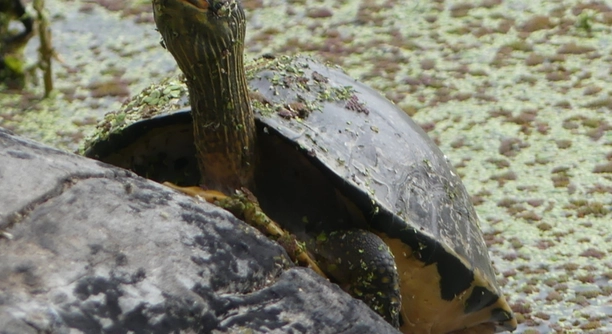
Indian Roofed Tortoises are fascinating creatures, but can they survive in the wild on their own? Many people wonder about their ability to adapt and thrive outside captivity, especially considering their specific needs.
Indian Roofed Tortoises face numerous challenges in the wild. While they are capable of surviving, they are at risk due to habitat loss, predators, and competition with other species. Their survival largely depends on their environment and behavior.
Understanding the difficulties these tortoises face in the wild can help us make informed decisions about their care and conservation. The challenges are more than just environmental—there are also behavioral and ecological factors to consider.
The Risks of Habitat Loss for Indian Roofed Tortoises
Indian Roofed Tortoises are native to parts of India and Sri Lanka, where they have evolved to live in tropical environments. Their natural habitats consist of dry, open forests and grasslands, but these areas are rapidly disappearing due to human development. Agriculture, urbanization, and deforestation have drastically reduced the land available for these tortoises. As a result, they are forced to adapt to smaller, fragmented patches of land, making it harder for them to find food, mates, and shelter. This loss of habitat also increases the risk of encountering predators or competing with other animals for resources.
The shrinking of their natural environment poses a serious threat to their survival. Without sufficient space and resources, their chances of thriving in the wild decrease significantly. Tortoises that cannot find adequate shelter are more exposed to harsh weather and predators, making it harder for them to survive long term.
The decrease in suitable habitat makes it challenging for these tortoises to maintain stable populations in the wild. If their habitat loss continues at this rate, it may lead to a sharp decline in numbers. Preservation efforts are crucial to ensure their survival, but it requires more than just protecting the land—it also involves reducing human interference and promoting sustainable practices in these areas.
The Threat of Predators
Predators pose a significant danger to Indian Roofed Tortoises. The presence of animals such as wild dogs, large birds, and even humans increases the risk to their survival.
In the wild, Indian Roofed Tortoises are vulnerable to many predators. While their hard shell provides some protection, it is not always enough to keep them safe. Larger predators can target their soft underbelly or use force to break through their defenses. This makes survival increasingly difficult for tortoises living in habitats with high predator populations. In addition, young tortoises, which are more vulnerable, face an even greater risk of being eaten.
When considering the balance of the ecosystem, predators are part of a natural cycle. However, the rise of human activity and other environmental pressures makes it harder for these tortoises to avoid danger. Effective conservation efforts will need to address not only habitat protection but also ways to reduce predator exposure, especially for young or injured tortoises.
The Impact of Climate Change
Climate change is a growing concern for Indian Roofed Tortoises. As temperatures rise and weather patterns shift, their natural habitat is being affected.
Changes in temperature and rainfall patterns directly impact the availability of food and water for tortoises. If their environment becomes too dry or too wet, they may struggle to find the right conditions for survival. Warmer temperatures can also disrupt their breeding patterns, which depend on specific environmental cues. The long-term effects of these changes may reduce the chances of these tortoises successfully reproducing in the wild.
Furthermore, climate change can increase the frequency and intensity of natural disasters, such as storms or floods, which can destroy the tortoises’ habitat. These extreme weather events may make it difficult for them to find suitable shelters or navigate their environment. The impact of climate change is not just about temperature—it affects the whole ecosystem, putting the survival of Indian Roofed Tortoises at even greater risk.
The Danger of Invasive Species
Invasive species threaten Indian Roofed Tortoises by outcompeting them for resources.
Non-native animals often disrupt the local food chain, causing a drop in available resources for native species like the Indian Roofed Tortoise. These invaders may prey on tortoise eggs or eat the plants the tortoises rely on for food. As the balance of the ecosystem shifts, the tortoises’ chances of survival are reduced. The introduction of invasive species can often go unnoticed until it’s too late.
The presence of invasive species can make it more difficult for Indian Roofed Tortoises to thrive in the wild. Invasive predators and competitors can quickly take over an area, leaving the tortoises with fewer resources and higher risks of harm. This makes it essential for conservation efforts to target not only habitat protection but also controlling or removing these invasive species to help native tortoise populations recover. Reducing their impact is crucial for ensuring the tortoises’ survival in their natural environment.
The Struggles of Finding Food
Indian Roofed Tortoises need specific plants to survive, but finding them in the wild can be tough. Their food sources are often limited or threatened.
As human activity continues to reshape the landscape, the tortoises’ natural food supply becomes harder to access. Many of the plants they rely on are disappearing due to urban expansion or overgrazing by livestock. Without enough food, the tortoises may struggle to meet their nutritional needs, affecting their health and survival rates.
This scarcity of food further complicates their ability to reproduce and raise offspring. Without enough resources, both adult tortoises and hatchlings face increased vulnerability to predators or environmental stressors. This ongoing threat puts pressure on the species, making it difficult for them to maintain stable populations in the wild.
The Challenge of Nesting and Reproduction
Indian Roofed Tortoises rely on specific conditions to breed and lay eggs. Without the right environment, successful reproduction becomes difficult.
They need safe, undisturbed areas with the right temperature and soil conditions to dig nests. However, as their habitats shrink and become fragmented, it’s harder for them to find suitable nesting sites. Increased human activity, like construction and farming, further disrupts the tortoises’ ability to lay eggs safely. These challenges significantly reduce the number of hatchlings that successfully grow into adults.
Human Encroachment
Human encroachment impacts tortoises in multiple ways, from habitat destruction to poaching.
Urbanization and agricultural expansion often encroach on tortoise habitats, forcing them to adapt to human-dominated landscapes. This leads to a loss of critical resources like food, water, and shelter. In addition, tortoises are often collected for the pet trade, further reducing their population in the wild.
FAQ
Can Indian Roofed Tortoises survive in the wild?
Indian Roofed Tortoises can survive in the wild, but they face many challenges. Their survival is dependent on the availability of suitable habitat, food, and protection from predators. As their natural environment shrinks due to human activity and climate change, their chances of thriving in the wild become slimmer. In addition, they are vulnerable to invasive species, which further reduces their ability to find food and shelter. While they are resilient creatures, their long-term survival in the wild is at risk without effective conservation efforts.
What are the main threats to Indian Roofed Tortoises?
The biggest threats to Indian Roofed Tortoises are habitat loss, climate change, invasive species, and human encroachment. As forests and grasslands are cleared for agriculture and development, the tortoises’ habitat becomes fragmented, leaving them with fewer resources. Climate change, with its unpredictable weather patterns, affects the tortoises’ ability to find food and breed successfully. Invasive species also disrupt the ecosystem, competing for resources or preying on tortoise eggs. Finally, human activities such as poaching and collecting them for the pet trade add to the pressure on wild populations.
Do Indian Roofed Tortoises face a risk of extinction?
Yes, Indian Roofed Tortoises are at risk of extinction, though they are not yet critically endangered. Due to their declining population, these tortoises are considered vulnerable by the International Union for Conservation of Nature (IUCN). The loss of habitat, coupled with illegal trade and other environmental factors, continues to put stress on their numbers. However, with proper conservation efforts, their chances of surviving in the wild can be improved.
What do Indian Roofed Tortoises eat?
Indian Roofed Tortoises are herbivores, feeding on a variety of plants found in their natural habitat. They primarily consume grasses, leaves, fruits, and flowers. In the wild, they will seek out plants like wild grass, dandelions, and leafy greens. The availability of these food sources is crucial for their survival, and a lack of food can significantly impact their health and ability to reproduce.
How does climate change affect Indian Roofed Tortoises?
Climate change has a significant impact on Indian Roofed Tortoises. Rising temperatures and unpredictable rainfall patterns affect their access to food and water. Changes in temperature can also disrupt their breeding cycles, as tortoises rely on environmental cues to reproduce. Additionally, extreme weather events such as floods and droughts can destroy habitats and make it harder for the tortoises to find suitable shelter.
Can Indian Roofed Tortoises be kept as pets?
Yes, Indian Roofed Tortoises can be kept as pets, but it requires careful consideration and responsibility. In captivity, they need a suitable enclosure that mimics their natural environment, including space for foraging and areas for hiding. It’s essential to provide them with a balanced diet that closely resembles what they would eat in the wild. Many people underestimate the level of care required to keep these tortoises healthy, which can lead to poor outcomes. It’s also important to ensure that the tortoises are not taken from the wild, as this can further deplete natural populations.
How can I help protect Indian Roofed Tortoises?
There are several ways to help protect Indian Roofed Tortoises. Supporting conservation efforts that focus on preserving their natural habitats is one of the most effective ways. Reducing habitat destruction and promoting sustainable land practices can provide them with safer environments. Additionally, avoiding the illegal pet trade and not supporting it helps to reduce human interference with wild populations. Educating others about the threats these tortoises face can also spread awareness and drive more action toward their conservation.
Are Indian Roofed Tortoises aggressive?
Indian Roofed Tortoises are not aggressive. They are generally calm and solitary animals that spend much of their time foraging or resting. While they may occasionally display defensive behavior if threatened, they are not known to engage in aggressive interactions. Their primary mode of defense is retreating into their shells when they feel unsafe. However, they can be territorial in the wild, especially when it comes to food or nesting sites.
How long do Indian Roofed Tortoises live?
Indian Roofed Tortoises have a relatively long lifespan. In the wild, they can live for 40 to 50 years, though some have been known to live even longer. Their longevity depends on their environment and the availability of resources. In captivity, with proper care, they can live up to 60 years or more. Their long lifespan means that they require stable and continuous care throughout their lives, whether in the wild or as pets.
What is the role of Indian Roofed Tortoises in the ecosystem?
Indian Roofed Tortoises play a vital role in their ecosystem. As herbivores, they help maintain the balance of plant populations by consuming grasses and other vegetation. This grazing can prevent overgrowth and ensure that plant species remain in check. Additionally, their droppings provide nutrients to the soil, helping to fertilize plants. They are also a food source for predators, contributing to the local food chain. By supporting the health of their environment, these tortoises help maintain the overall balance of the ecosystem.
What can be done to restore their habitats?
Restoring habitats for Indian Roofed Tortoises requires concerted efforts from conservation groups, local governments, and communities. Replanting native vegetation, reducing deforestation, and establishing protected areas are key steps. In some cases, removing invasive species can also help restore the natural balance of the ecosystem. Raising awareness about the importance of preserving these habitats is essential for securing a future for Indian Roofed Tortoises in the wild. Active restoration projects that focus on both land protection and the species’ specific needs can help prevent further habitat loss.
Final Thoughts
Indian Roofed Tortoises are resilient creatures, but their survival in the wild is increasingly challenging. Their natural habitat is shrinking due to human activities such as agriculture, construction, and deforestation. This loss of space makes it harder for these tortoises to find the resources they need to thrive. As their habitats become fragmented, they face greater risks from predators, competition for food, and even climate change. While these tortoises have adapted to living in the wild for generations, the pressures they now face have made their survival more uncertain. Without action, their numbers will continue to decline, and they may eventually struggle to survive in their natural environment.
Conservation efforts are crucial in protecting these tortoises. The most effective way to help them is by preserving their natural habitats. Efforts to reduce deforestation and protect land from human encroachment will provide a safer environment for the tortoises. It’s also essential to focus on controlling invasive species that threaten their food sources and nesting areas. While protecting habitats is important, we must also work to reduce the impact of climate change, as rising temperatures and changing rainfall patterns make it more difficult for these tortoises to find food and breed. By addressing these issues, we can help ensure that Indian Roofed Tortoises have a fighting chance in the wild.
At the same time, it’s important to recognize that Indian Roofed Tortoises can also live in captivity with the proper care. However, their role in the wild cannot be overlooked. These tortoises are an integral part of their ecosystem, helping to maintain plant populations and supporting the overall health of the environment. Efforts to help them should not only focus on breeding them in captivity but also on restoring and protecting their natural habitats. Both approaches are needed to ensure their future. Ultimately, the survival of Indian Roofed Tortoises in the wild will depend on collective action from conservation groups, governments, and individuals to address the challenges they face.

Hello,
If you enjoy the content that we create, please consider saying a "Thank You!" by leaving a tip.
Every little bit helps us continue crafting quality advice that supports the health, happiness, and well-being of pets around the world, for pets of all shapes, sizes, and species.
We really appreciate the kindness and support that you show us!