
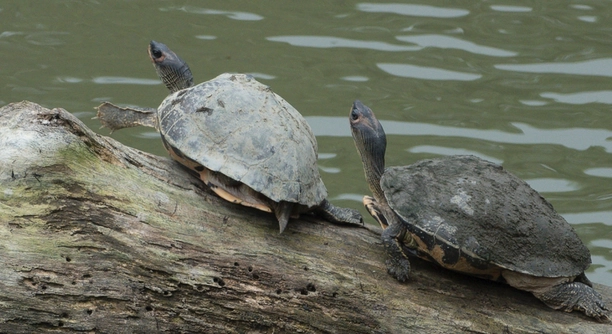
If you’ve noticed that your Indian Roofed Tortoise is not as active as usual, you’re probably wondering what could be causing this sudden change. It can be worrying when a pet shows signs of less energy, but there are several factors to consider.
A decrease in activity in your Indian Roofed Tortoise can be attributed to factors such as temperature fluctuations, improper diet, or health concerns. Environmental stressors like changes in humidity or habitat can also lead to lethargy.
There are different reasons for this behavior, but understanding them can help you find a solution and ensure your tortoise’s well-being.
Temperature Changes and Their Impact on Activity
Temperature is crucial for reptiles like your Indian Roofed Tortoise. They are cold-blooded animals, meaning their body temperature is regulated by the environment. If their habitat gets too cold or too hot, they become less active. Tortoises prefer warm, steady conditions to stay active. If the tank is cooler than usual, they may retreat into their shell and rest longer than normal.
Even small changes in the temperature can cause noticeable differences in your tortoise’s behavior. Make sure their enclosure has a proper heat source and a temperature gradient, so they can choose where to rest. A basking spot around 85-90°F and a cooler area around 70-75°F will keep them comfortable.
Check your heating setup regularly to ensure everything is working properly. Sometimes, malfunctioning lights or heating pads can cause temperature drops that affect your tortoise’s energy levels. It’s always a good idea to use a thermometer to keep track of the temperature changes in the tank.
Incorrect Diet
What your tortoise eats plays a big part in how active they are. A lack of essential nutrients or an imbalanced diet can lead to lethargy. Ensure they’re getting a proper mix of greens, vegetables, and some fruit.
Overfeeding on high-protein foods or giving them inappropriate items like sugary fruits can also make them sluggish.
Health Issues and Their Effects
Health problems can cause your tortoise to become sluggish. Conditions like respiratory infections, parasites, or metabolic bone disease are common in reptiles. If your tortoise seems weak or has trouble moving, a visit to the vet might be necessary.
Respiratory infections are a common issue that can lead to lethargy. Symptoms like wheezing, nasal discharge, or a runny nose are signs that something is wrong. Parasites, too, can cause a drop in activity. Look for signs like bloated or soft shells, which could indicate internal parasites. These conditions, if left untreated, can make your tortoise feel very tired and less active.
Metabolic bone disease is another possibility that affects tortoises. It happens when they don’t get enough calcium or UV light, leading to weak bones and a lack of energy. Ensuring your tortoise has the right UVB lighting and a proper calcium supplement can prevent these problems.
Environmental Stress
Stress from changes in the tortoise’s environment can cause them to become less active. Any sudden shifts, like moving their enclosure or introducing a new pet, can make them feel unsettled and lead to lethargy.
Tortoises thrive in stable, familiar environments. If you’ve recently changed their living setup, it may take some time for them to adjust. Make sure their tank is quiet and away from loud noises or distractions. If you’re using new substrate or decorations, be sure they don’t feel overwhelmed or trapped. This helps reduce stress and supports active behavior.
Overexertion and Recovery Time
Just like humans, tortoises can get tired if they overexert themselves. If they’ve been active for too long or have been exposed to excessive heat, they may need extra time to rest. Sometimes, they just need a break.
A tortoise may appear sluggish after exploring their surroundings or if they’ve had a busy day. Giving them time to recover in a quiet, comfortable area helps them regain their energy. Don’t worry if they take longer naps during this time, as this is just their way of recharging.
Aging and Slower Activity
As tortoises age, they naturally slow down. Their metabolism slows, and they tend to spend more time resting. If your tortoise is older, this may be a sign of their natural aging process.
Older tortoises may not be as active as younger ones, and this is completely normal. However, keep an eye on their behavior to make sure there are no underlying health issues causing the change.
FAQ
Why is my Indian Roofed Tortoise not eating?
If your tortoise isn’t eating, it could be due to several reasons. A common cause is improper temperature. If the enclosure is too cold, your tortoise may lose its appetite. Make sure the tank is warm enough, especially in the basking area. Another reason could be stress from changes in their environment. Moving their tank or introducing new pets might cause them to feel uneasy. Also, check their diet to ensure they’re getting the right foods. If your tortoise still isn’t eating after correcting these factors, it might be time to consult a vet.
Can my tortoise be too hot?
Yes, if your tortoise’s environment is too hot, it can lead to heat stress. This can cause lethargy, dehydration, and even more serious health issues. It’s important to maintain a temperature gradient in the tank, with a basking spot between 85-90°F and cooler areas around 70-75°F. Overheating can also be a problem if you leave heating lamps on for too long. Always monitor the temperature to keep your tortoise comfortable.
How can I tell if my tortoise is sick?
Tortoises often hide signs of illness, so it’s important to observe their behavior closely. Common signs of illness include lethargy, changes in eating habits, abnormal breathing sounds, nasal discharge, or abnormal droppings. If your tortoise is not moving as much, has trouble eating, or shows any of these signs, it’s best to consult a vet. Don’t wait too long, as untreated illnesses can become more serious.
Should I be worried if my tortoise sleeps a lot?
Tortoises can sleep a lot, especially if they are adjusting to changes in their environment or if the temperature in their enclosure is not right. However, excessive sleep can also indicate stress, improper lighting, or even illness. If your tortoise is sleeping more than usual and showing other signs of lethargy, it’s important to check its habitat and health. If everything seems fine but the sleeping continues, a vet visit might be necessary.
What should I do if my tortoise is not moving around?
If your tortoise is not moving, it could be a sign that something is wrong. Check the temperature in the enclosure first, as cold conditions can cause inactivity. Ensure that they have a proper basking area, as tortoises need heat to stay active. If the environment is correct and your tortoise is still not moving, look for signs of illness, stress, or injury. If you’re unsure, take your tortoise to a vet to rule out any medical problems.
How often should I change my tortoise’s habitat?
Cleaning your tortoise’s habitat regularly is important for their health. You should spot clean the tank every few days to remove waste and uneaten food. A full substrate change and deep cleaning should be done about once a month. Make sure the enclosure stays dry and free from mold, which can lead to health issues. Keeping the tank clean helps avoid parasites and bacteria, which can cause your tortoise to feel unwell.
Can temperature changes cause my tortoise to be less active?
Yes, temperature changes can make your tortoise less active. As cold-blooded creatures, they rely on external heat sources to regulate their body temperature. If their environment is too cool, they will likely become more sluggish and seek out warm areas to rest. On the other hand, if the temperature is too high, they may become stressed and retreat into their shell. Maintaining a stable temperature gradient within their enclosure is essential to keeping them active and comfortable.
What is the ideal diet for an Indian Roofed Tortoise?
An Indian Roofed Tortoise thrives on a varied diet that consists mostly of leafy greens, vegetables, and some fruits. Avoid feeding them too much fruit or high-protein foods like meat or insects. Good food options include dandelion greens, kale, collard greens, and squash. Ensure they also have access to fresh water at all times. If your tortoise is not eating, try switching up their food to see if they prefer something else. A well-balanced diet helps support healthy activity levels and overall well-being.
How long can my tortoise go without food?
Tortoises can go without food for a few days to a week without significant harm, especially if they are healthy and have access to water. However, prolonged periods of fasting are not ideal and can weaken your tortoise. If your tortoise isn’t eating for several days, it’s important to check their environment and health. Stress, temperature fluctuations, and illness are the most common reasons for lack of appetite, so addressing these factors can help your tortoise start eating again.
Is it normal for my tortoise to become less active during the winter?
Yes, it is normal for tortoises to become less active during the winter, especially if their environment isn’t warm enough. Many reptiles slow down during the colder months and may even hibernate or enter a state of dormancy. If you live in a cooler climate, consider adjusting their enclosure’s temperature or adding a heat source to keep them comfortable. If you notice your tortoise is overly sluggish or not moving much during the winter months, make sure their environment is correctly set up to prevent cold-related issues.
Final Thoughts
It’s common for your Indian Roofed Tortoise to show changes in activity levels from time to time. Whether it’s due to temperature changes, diet, or possible health issues, there are many factors that can cause your tortoise to slow down. By observing your tortoise closely and maintaining a proper habitat, you can usually pinpoint the cause of their inactivity. Small changes in temperature or diet can make a big difference in how active your tortoise feels.
If you notice that your tortoise is still less active after adjusting the environment or diet, it might be time to visit a vet. Illnesses such as respiratory infections, parasites, or metabolic bone disease can cause lethargy, and it’s important to address these problems early. Tortoises are good at hiding their discomfort, so paying attention to any signs of weakness or unusual behavior will help you catch health issues before they become serious. Don’t hesitate to get professional help if you’re unsure about your tortoise’s well-being.
Taking care of an Indian Roofed Tortoise requires a bit of attention, but it’s worth it to ensure their long-term health and happiness. Keep their enclosure warm, provide the right foods, and watch for signs of stress or illness. Regularly checking their health and environment will not only help you address any sudden changes in activity but will also improve their quality of life. A few simple steps can keep your tortoise comfortable and active for years to come.

Hello,
If you enjoy the content that we create, please consider saying a "Thank You!" by leaving a tip.
Every little bit helps us continue crafting quality advice that supports the health, happiness, and well-being of pets around the world, for pets of all shapes, sizes, and species.
We really appreciate the kindness and support that you show us!