
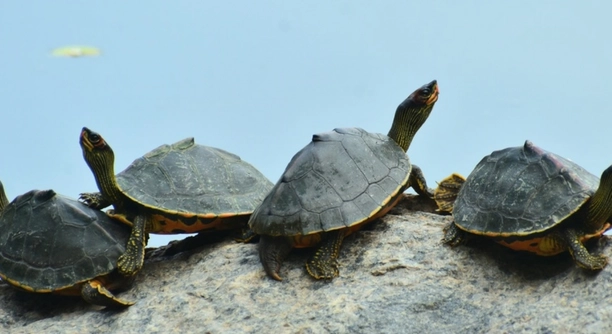
Many pet owners enjoy the company of an Indian Roofed Tortoise, but keeping their shells healthy is important for their well-being. A soft shell can be a sign of underlying issues that need attention.
Several factors, including poor diet, improper humidity, lack of UVB lighting, and stress, can contribute to an Indian Roofed Tortoise’s shell softening. These issues disrupt the tortoise’s shell growth and integrity, making it more vulnerable to damage.
Taking steps to address these causes can help improve the condition of your tortoise’s shell. Understanding the root of the problem will aid in better care and a stronger, healthier shell for your pet.
Poor Diet and Nutritional Deficiencies
A poor diet is one of the main factors that can soften an Indian Roofed Tortoise’s shell. Without a proper balance of essential nutrients like calcium, vitamin D3, and protein, the tortoise’s shell won’t develop strong, healthy layers. A lack of calcium in their diet, in particular, can lead to thin, weak shells. Tortoises require a diet rich in leafy greens, vegetables, and occasional fruits, along with calcium supplements if necessary.
Overfeeding them with foods high in phosphorus, such as spinach or lettuce, may further disrupt calcium absorption. This creates an imbalance that affects shell growth. A diet lacking proper variety can also cause other health issues, such as dehydration or metabolic bone disease, which weakens the shell.
It’s important to make sure that the food you offer is appropriate for your tortoise’s age, size, and species. A vet can offer guidance on supplementation and portion sizes to ensure they are getting all the right nutrients.
Insufficient UVB Lighting
UVB lighting plays a critical role in helping tortoises absorb calcium and maintain healthy shells. Without adequate UVB exposure, their body can’t properly process calcium, which leads to weaker shells. Proper lighting should be a daily part of their environment, especially if they spend time indoors.
A UVB light should be placed within the recommended distance from the tortoise, and it should be replaced regularly. It’s important to note that even natural sunlight may not be enough, especially in indoor setups or during colder seasons. Regular exposure to the right UVB spectrum will improve calcium absorption and contribute to stronger shell growth.
Improper Humidity Levels
Humidity plays a vital role in the health of an Indian Roofed Tortoise. If the humidity in their enclosure is too low or too high, it can cause their shell to soften. Tortoises need a balanced environment to maintain the right level of hydration and support shell growth.
Too much dryness can result in dehydration, while excessive moisture can lead to fungal or bacterial infections. Both extremes can cause the tortoise to suffer, affecting their shell’s strength and structure. Maintaining the correct humidity within the recommended range is essential for a healthy shell.
Regular monitoring of the humidity in their habitat is crucial, and a hygrometer can help ensure accurate readings. Mist their enclosure or use a humidifier if needed, but avoid making the environment too damp, as this can cause other health issues.
Stress and Environmental Factors
Stress is another factor that can lead to a soft shell. If the tortoise feels threatened or uncomfortable, it may affect its overall health, including its shell. Constant stress from noise, temperature fluctuations, or overcrowding can result in a weakened shell structure.
Providing a calm and secure environment for the tortoise is key to reducing stress. This means ensuring the temperature is consistent, the enclosure is spacious enough, and the tortoise has access to hiding spots where it feels safe. Avoid handling them too frequently or making sudden changes to their environment.
Making sure the tortoise is not being disturbed by other pets, loud noises, or bright lights can help prevent unnecessary stress. By keeping their habitat comfortable, you’ll encourage a strong, healthy shell.
Lack of Exercise
Tortoises need regular exercise to stay healthy and maintain a strong shell. Without enough movement, their muscles and bones weaken, which can lead to shell problems. Providing space for them to walk and explore will help them develop strength and promote overall health.
Allowing your tortoise to roam in a secure area for exercise is important. A larger space encourages movement and helps them maintain a proper weight. This can prevent shell deformities and other health issues associated with inactivity.
Exercise is key to building the necessary muscle strength that supports their shell and overall well-being.
Health Conditions
Certain health issues can directly affect the strength of a tortoise’s shell. Conditions such as metabolic bone disease or respiratory infections may weaken their bones and shells. If a tortoise’s immune system is compromised, it may struggle to recover, which results in long-term shell damage.
Regular check-ups from a veterinarian are crucial to detect any underlying health issues. Early treatment for conditions like vitamin D deficiency or infections can prevent further damage. If your tortoise is showing any signs of illness, it’s important to act fast and seek veterinary care to protect their shell.
Temperature Fluctuations
If a tortoise’s environment experiences temperature changes, it can stress the animal, affecting shell health. Tortoises rely on consistent temperatures to regulate their metabolism and digestion. A fluctuating temperature can cause dehydration and make them more vulnerable to soft shells.
Ensuring a steady temperature in their habitat is necessary for their well-being. Keep the enclosure’s temperature within the range suitable for their species. Regularly check the heating system and use thermometers to monitor the temperature, preventing any harmful drops or spikes that could weaken the shell.
FAQ
What are the signs that my tortoise’s shell is soft?
If you notice that your tortoise’s shell feels soft or squishy when touched, it’s a sign that something is wrong. You may also notice deformities, such as flattening, bending, or a general weakening of the shell structure. In more severe cases, the shell may even appear to be softening in certain areas, which can lead to further damage if not addressed. Other symptoms may include lethargy, loss of appetite, or difficulty moving. If you observe any of these signs, it’s important to consult a veterinarian as soon as possible.
Can poor diet cause a tortoise’s shell to soften?
Yes, a poor diet can directly contribute to a softening shell. Tortoises require a balanced diet with the proper amount of calcium, vitamin D3, and other essential nutrients to maintain a healthy shell. If their diet lacks these vital nutrients, the shell may lose its strength and become more susceptible to damage. Calcium deficiency, in particular, is a major cause of shell issues, as it’s crucial for proper bone and shell growth. Ensure your tortoise gets a mix of leafy greens, vegetables, and supplements to prevent nutritional deficiencies.
How does UVB lighting affect my tortoise’s shell?
UVB lighting is essential for tortoises to process calcium and maintain a healthy shell. Without proper UVB exposure, the tortoise’s body cannot effectively absorb calcium from its diet, leading to soft or weakened shells. If they don’t receive enough UVB light, their shells can become deformed over time. Even if you provide natural sunlight, indoor tortoises need specialized UVB bulbs to meet their needs. These bulbs should be replaced regularly to ensure they continue to provide adequate UVB rays.
What humidity levels are ideal for an Indian Roofed Tortoise?
Humidity levels should be kept between 50-70% for an Indian Roofed Tortoise. Too low humidity can lead to dehydration, while high humidity can increase the risk of fungal infections. To maintain proper humidity, you can use a hygrometer to monitor the levels and adjust accordingly. Light misting or adding a humidifier may help increase the moisture in the enclosure. It’s essential to balance humidity to ensure your tortoise stays healthy and its shell remains strong.
How often should I handle my tortoise?
It’s best to avoid excessive handling, as it can cause stress, especially if your tortoise is not accustomed to it. Handling them too often can lead to anxiety and may impact their overall health, including the condition of their shell. A good rule of thumb is to handle them for brief periods and only when necessary, such as during cleaning or checkups. Allow your tortoise to explore its environment independently, which will help keep it calm and healthy.
Can temperature changes affect my tortoise’s shell?
Yes, sudden temperature changes can have a negative impact on your tortoise’s shell. If the temperature in their environment fluctuates too much, it can cause stress, dehydration, and overall weakness, which can lead to a soft shell. Tortoises are cold-blooded animals and rely on consistent temperatures to regulate their body functions. Maintaining a stable temperature range for your tortoise is crucial for its health. Use thermostats and heaters to keep the temperature in the appropriate range for your tortoise’s species.
How can I help my tortoise regain shell strength?
To help your tortoise regain shell strength, ensure it has a proper diet rich in calcium and other essential nutrients. Provide UVB lighting to promote calcium absorption and create a stable temperature and humidity level in its environment. Regular exercise and a stress-free habitat are also important. If your tortoise is already showing signs of a soft shell, consulting a veterinarian is recommended. They may suggest supplements or other treatments to restore your tortoise’s shell health.
Is it normal for a tortoise’s shell to change color?
Tortoises may experience some color changes in their shells due to age, diet, or environmental factors. It’s not always a sign of a problem, but dramatic or sudden color changes could indicate an underlying issue. For instance, a pale shell might suggest a calcium deficiency or lack of UVB exposure, while darkening could point to infections or excess moisture. Keep an eye on your tortoise’s shell condition and seek veterinary advice if you notice unusual changes.
Can stress cause my tortoise’s shell to soften?
Yes, stress can negatively impact your tortoise’s health and contribute to a soft shell. If your tortoise feels threatened, uncomfortable, or unsafe, it may affect its overall well-being, including its shell strength. Causes of stress can include excessive handling, noise, or changes in the environment. Ensure your tortoise has a quiet, secure place to relax with the right temperature, humidity, and space. Reducing stress will help prevent weakening of the shell and support overall health.
What kind of substrate should I use for my tortoise’s enclosure?
The right substrate helps maintain proper humidity and provides a comfortable environment for your tortoise. For an Indian Roofed Tortoise, you can use materials like coconut coir, soil, or sand, mixed with some leaves or moss. Avoid using materials like pine or cedar, as they can release harmful oils that irritate your tortoise’s respiratory system. Ensure the substrate is deep enough for digging, as tortoises enjoy burrowing and hiding in it. Also, keep it clean to prevent infections or mold buildup.
Can my tortoise’s shell ever return to normal?
In many cases, with proper care, a tortoise’s shell can improve over time. By correcting any issues with diet, UVB exposure, humidity, and stress, the shell can regain strength. However, if the damage is severe, it might be permanent. Early intervention is essential for the best chance of recovery. Regular checkups with a veterinarian can help assess the situation and guide you in the right direction for treatment and care.
Taking care of an Indian Roofed Tortoise requires attention to several important factors, especially when it comes to maintaining the health of their shell. A soft shell can be a sign of a number of underlying issues, including poor diet, lack of UVB light, improper humidity, and stress. If you notice any changes in your tortoise’s shell, it’s important to address these problems as soon as possible. By ensuring that your tortoise gets the right nutrients, proper lighting, and a calm environment, you can help prevent shell issues and promote its overall well-being.
Proper diet and nutrition are the foundation for a healthy shell. Tortoises require a balanced diet that includes plenty of calcium, vitamin D3, and other nutrients. A lack of calcium in their diet, in particular, can cause the shell to weaken and soften over time. To avoid this, offer your tortoise a variety of leafy greens, vegetables, and occasional fruits. If necessary, you can also add calcium supplements. Additionally, UVB lighting is essential for helping your tortoise absorb calcium, so make sure your pet has access to this light regularly. A lack of UVB light can lead to the softening of the shell, even if the diet seems balanced.
It’s also crucial to maintain a stable environment for your tortoise. Temperature and humidity levels must be closely monitored, as fluctuations can stress your tortoise and contribute to shell problems. Keeping the habitat at a consistent temperature and ensuring the humidity stays within the recommended range will help your tortoise feel safe and healthy. Avoid overcrowding and excessive handling, which can also cause stress. A stress-free tortoise is more likely to thrive and keep its shell strong. Regular checkups with a veterinarian will further ensure your tortoise remains in good health and that any problems are caught early.

Hello,
If you enjoy the content that we create, please consider saying a "Thank You!" by leaving a tip.
Every little bit helps us continue crafting quality advice that supports the health, happiness, and well-being of pets around the world, for pets of all shapes, sizes, and species.
We really appreciate the kindness and support that you show us!