
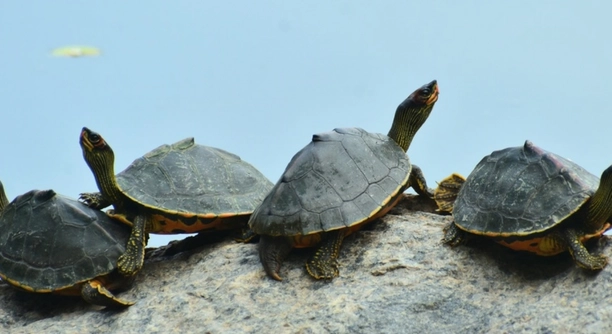
An Indian Roofed Tortoise can be an endearing pet, but it’s not uncommon for these creatures to be frightened by humans. Handling an anxious tortoise requires patience and understanding to help it feel safe and comfortable.
The key to handling a fearful Indian Roofed Tortoise lies in gradual desensitization. Start by allowing the tortoise to get used to your presence without forcing contact, and slowly build trust over time.
With the right approach, your tortoise can become more comfortable with people. Understanding its behavior is the first step toward a successful bond.
Understanding Why Your Tortoise Is Afraid of People
Indian Roofed Tortoises are naturally shy creatures, and their initial fear of humans is completely normal. These tortoises have a natural instinct to protect themselves from anything they perceive as a threat, which includes unfamiliar humans. Their small size, slow movement, and inability to escape quickly make them more cautious. When stressed, they might hide inside their shells or try to move away from the source of fear. This behavior is a way for them to keep themselves safe from potential danger.
Your tortoise might also react to loud noises, sudden movements, or unfamiliar scents, which can make it even more wary of humans. It’s important to recognize that their fear is not an act of aggression but a response to perceived threats. By understanding these natural reactions, you can start to ease their fear and help them adjust to human presence.
With patience, a steady routine, and understanding, it’s possible to create a more comfortable environment for your tortoise, allowing it to grow more accustomed to human interaction.
How to Gain Your Tortoise’s Trust
The key to helping your tortoise overcome fear is consistency. Try spending time near its enclosure without making any sudden movements or attempts to handle it. This will allow the tortoise to get used to your presence at its own pace. It’s crucial not to rush the process.
Building trust takes time, and each tortoise is different. Some might take longer to warm up to you, while others may become more comfortable sooner. Start by offering food from a distance and gradually move closer, allowing the tortoise to associate your presence with positive experiences like meals. Keep the experience as stress-free as possible.
Avoid forcing interactions, and instead, allow your tortoise to approach you when it feels ready. This creates a sense of safety and control for your pet, which can reduce fear over time. The more you respect its space, the better the chances of building a calm and trusting relationship.
Creating a Safe Space for Your Tortoise
A safe and quiet environment is crucial for your tortoise’s well-being. Keep the enclosure in a calm area, away from loud noises or high traffic. The less your tortoise feels threatened, the more it will settle down.
Ensure that your tortoise’s habitat is properly set up with enough space, warmth, and humidity. A well-maintained environment helps reduce stress and allows your pet to feel secure. Avoid constantly moving its enclosure or making drastic changes to its surroundings, as this can increase anxiety.
Additionally, providing hiding spots within the enclosure can give your tortoise a place to retreat if it feels overwhelmed. This will make it feel more comfortable and less likely to be fearful. You can use rocks, logs, or even small shelters to give it the option to retreat when needed.
Introducing Gentle Handling Techniques
When you feel the time is right, gently handling your tortoise can help it feel more comfortable with human touch. Start by placing your hands near its shell without trying to pick it up. Let your tortoise get used to your presence.
As it shows signs of calmness, slowly lift it up with both hands, supporting its body. Never grab or force it into your hands, as this can cause stress. Gradually increase the amount of time you handle it, but always pay attention to signs of discomfort, such as trying to hide or retreat into its shell.
Keep the handling sessions short and positive, associating them with a calm environment and even treats. This helps your tortoise begin to see handling as a good thing rather than something to fear. It’s all about taking things slowly and allowing the tortoise to adjust at its own pace.
Patience Is Key
Patience is essential when dealing with a fearful tortoise. Progress may be slow, but with consistent care, your tortoise will eventually grow more comfortable around you. Take things one step at a time and celebrate small victories.
Avoid rushing the process. Your tortoise needs time to adjust, and forcing interaction can backfire. Stay patient and understanding as your tortoise learns to trust you.
Recognizing Stress Signs
It’s important to recognize when your tortoise is stressed. Signs include withdrawing into its shell, rapid movements, or excessive hiding. Stress can slow down the process of gaining its trust.
If you notice these signs, take a step back and give your tortoise space to calm down. Reducing stress is key to building a positive relationship with your pet.
Maintaining a Regular Routine
Establishing a routine helps your tortoise feel secure. Stick to a consistent feeding and handling schedule to reduce uncertainty. Predictable routines allow your tortoise to get comfortable and feel more confident. This will lead to a more relaxed and trusting pet.
FAQ
What should I do if my tortoise hides in its shell whenever I approach?
If your tortoise hides in its shell, it’s simply trying to protect itself. This is a normal response when it feels threatened. Give it time and space to become more comfortable with your presence. Avoid rushing the process and let your tortoise adjust at its own pace. You can try sitting quietly near its enclosure without making any sudden movements. Over time, it may start to feel safer and less likely to hide.
How long will it take for my tortoise to stop being afraid of me?
The time it takes for a tortoise to overcome its fear depends on its personality and past experiences. Some tortoises may warm up to humans quickly, while others may take longer. It’s important to be patient and allow your tortoise to move at its own pace. In general, expect it to take a few weeks to a few months for noticeable improvement, but the key is consistency. Regular, gentle interactions can help speed up the process.
Can I speed up the process of gaining my tortoise’s trust?
While there’s no way to instantly gain your tortoise’s trust, consistent, positive interactions will help. Avoid forcing your tortoise to interact with you and instead, focus on creating a calm, predictable environment. Offering food from your hand can also help, but be sure to do it slowly and gently. Over time, your tortoise will start to associate your presence with positive experiences, which can lead to quicker trust-building.
Is it safe to pick up my tortoise if it’s afraid of me?
It’s generally better to avoid picking up a tortoise that is afraid of you. Picking it up too soon can cause stress and make it even more fearful. Instead, focus on allowing it to approach you and build trust gradually. When you do handle your tortoise, support its body gently and avoid making any abrupt movements. Only pick it up when it’s showing signs of calmness and readiness.
What can I do if my tortoise seems constantly stressed or anxious?
If your tortoise seems consistently stressed, it’s important to evaluate its environment. Ensure its habitat is quiet, secure, and free from sudden disruptions. Stress can be caused by factors such as poor temperature regulation, improper lighting, or even loud noises. Make sure the enclosure is set up properly with enough space and hiding spots. If stress persists, consider consulting a veterinarian to rule out any medical issues.
Can handling my tortoise too much make it more fearful?
Yes, overhandling can cause stress and make your tortoise more fearful. It’s important to allow your tortoise to come to you rather than forcing interaction. Start with short, gentle handling sessions and gradually increase the time as your tortoise becomes more comfortable. Be mindful of its behavior and adjust accordingly.
What are some signs that my tortoise is becoming more comfortable with me?
As your tortoise becomes more comfortable with you, it will show signs of relaxation. You might notice it exploring its environment more freely or moving closer to you when you approach its enclosure. It may also start to eat from your hand or allow you to handle it for short periods without retreating into its shell. These are all positive indicators that trust is being built.
How often should I interact with my tortoise to help it feel comfortable?
Aim for daily, short interactions with your tortoise to help it get used to your presence. It’s better to have consistent, brief interactions rather than long, overwhelming ones. Regularly offering food, speaking softly around the enclosure, and sitting near it can help your tortoise associate your presence with positive experiences. This helps to avoid overwhelming it.
Should I worry if my tortoise never comes out of its shell?
While it’s normal for a tortoise to retreat into its shell when feeling threatened, if it stays hidden for extended periods without showing interest in food or water, it could be a sign of stress or illness. Ensure its environment is comfortable and check the temperature and humidity levels. If the behavior persists, it may be best to consult with a vet.
Is it possible to bond with my tortoise even if it’s naturally shy?
Yes, bonding with a shy tortoise is possible, but it will take patience and understanding. Over time, your tortoise may become more comfortable with you as it learns that you pose no threat. Continue to respect its boundaries, and allow the relationship to develop slowly. Each tortoise is different, so be patient and consistent in your approach.
Final Thoughts
When handling a fearful Indian Roofed Tortoise, it’s important to remember that patience and consistency are essential. These tortoises are naturally shy and cautious, and they need time to adjust to their new environment and to people. It’s easy to feel discouraged if progress seems slow, but each small step is a sign of improvement. Over time, your tortoise will begin to recognize that you are not a threat and will feel more comfortable around you.
Creating a safe, quiet environment is a key part of helping your tortoise feel at ease. Reducing stress by keeping its habitat stable and free from loud noises or disruptions can help your pet feel more secure. Offering hiding spots within its enclosure will also give it the opportunity to retreat when it feels scared. This gives your tortoise the control it needs to approach situations at its own pace, reducing anxiety. Remember, a calm space will help your tortoise feel safe enough to start engaging with you gradually.
Finally, trust is built over time, and it’s important to respect your tortoise’s boundaries. Every tortoise is different, so some may warm up faster than others. It’s crucial to not rush the process but to allow your pet to take the lead. Gradual handling and offering food from your hand can also help encourage positive associations with you. By staying patient and following these simple steps, you can create a trusting bond with your tortoise and make the process of overcoming its fear a more positive experience for both of you.

Hello,
If you enjoy the content that we create, please consider saying a "Thank You!" by leaving a tip.
Every little bit helps us continue crafting quality advice that supports the health, happiness, and well-being of pets around the world, for pets of all shapes, sizes, and species.
We really appreciate the kindness and support that you show us!