
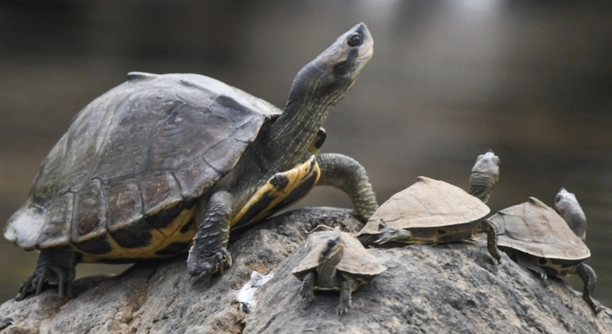
If you have an Indian roofed tortoise, keeping it entertained and active is essential for its well-being. Providing stimulating toys can help maintain your tortoise’s health and happiness. Here are seven fun DIY toy ideas.
Creating DIY toys for your Indian roofed tortoise can enhance its environment and promote exercise. These toys encourage natural behaviors like foraging and climbing, ensuring mental and physical stimulation. Simple materials like cardboard and wooden blocks are ideal.
These easy-to-make toys will help your tortoise stay engaged and active.
DIY Toy 1: Cardboard Hideaway
A cardboard hideaway is an excellent DIY toy for your Indian roofed tortoise. It offers a simple, cost-effective solution to encourage your tortoise to explore and forage. Using a cardboard box, cut out a few holes large enough for your tortoise to crawl through. Add some fresh leaves or hay inside to mimic the natural hiding spots tortoises enjoy. This toy promotes physical activity and can provide a safe retreat for your tortoise when it wants to rest. It’s easy to replace when worn out and can be adapted to different sizes of tortoises.
To make the hideaway even more stimulating, you can place small food items inside, such as leafy greens or fruit slices. This will encourage your tortoise to forage, enhancing its natural instincts. Cardboard is also a lightweight material, making it easy to adjust or move around the enclosure, keeping your tortoise’s environment fresh and engaging.
Adding a cardboard hideaway to your tortoise’s space offers both a physical and mental challenge. It also provides a stress-free space for them to retreat when feeling overwhelmed, creating a balance between play and rest.
DIY Toy 2: Wooden Climbing Structure
A wooden climbing structure is another excellent addition to your tortoise’s habitat. This toy encourages natural climbing behaviors and enhances muscle development. Use untreated wooden blocks or planks to create a small ramp or tower. The structure can be designed in a way that suits the size of your tortoise, allowing it to climb and explore. It’s important to ensure the wood is free from harmful chemicals, as some treatments can be toxic to reptiles. A wooden structure also provides a more durable option compared to plastic toys, offering long-lasting fun.
By placing this climbing structure in a corner of your tortoise’s enclosure, you give it a place to exercise and explore. The variety in texture and surfaces also appeals to your tortoise’s natural instinct to navigate different environments. Over time, your tortoise will become more confident in using it, which can help with its physical development and overall well-being. The wood’s natural scent can also attract your tortoise, providing an additional sensory experience.
The climbing structure will serve as a great way for your tortoise to stay active. Keep in mind that proper supervision and regular maintenance are essential to ensure the structure stays safe and secure.
DIY Toy 3: Veggie Ball
A veggie ball is a great way to incorporate fun and nutrition into your tortoise’s playtime. Simply take a small ball, preferably made of safe material, and stuff it with chopped vegetables or leafy greens. You can use a mesh bag or a small net to hold the vegetables together. Once placed inside the enclosure, your tortoise will be drawn to the scent of the food and will try to manipulate the ball to get a bite. This toy helps keep your tortoise engaged, as it encourages foraging and problem-solving.
The veggie ball also provides an interactive experience, requiring your tortoise to move and interact with the toy. You can rotate the vegetables inside to keep it interesting and change the challenge level. The ball is a simple yet effective way to provide your tortoise with a snack while promoting physical activity. It also mimics some of the natural behaviors tortoises might display in the wild, such as foraging for food.
Once your tortoise becomes familiar with the veggie ball, you can increase the difficulty by using tougher vegetables or mixing different food items together. This will challenge your tortoise’s ability to manipulate the ball and ensure that it stays engaged. As a bonus, the ball can help with keeping your tortoise’s diet varied and fun.
DIY Toy 4: Tortoise Tunnel
A simple tunnel can turn your tortoise’s environment into a more stimulating space. Use PVC pipes or pieces of cardboard to create a tunnel that your tortoise can crawl through. This helps satisfy their instinctual desire to explore and hide, which is essential for their mental well-being. Make sure the tunnel is wide enough to avoid any stress on your tortoise as it moves through. A tunnel is also an excellent way to encourage your tortoise to use all parts of its enclosure.
You can place the tunnel in various spots, such as near food or in a shaded area to create a sense of mystery. To further engage your tortoise, you can fill the tunnel with soft bedding or leaves. The materials inside will provide sensory stimulation as your tortoise crawls through, mimicking the feeling of natural habitats. You might notice your tortoise spending more time inside, as tunnels offer a secure space where they can feel safe.
Changing the layout of the tunnel periodically can add variety, making it a new challenge each time. It can also be a place for your tortoise to retreat during the day or use at night for rest. The tunnel will also support your tortoise’s physical activity by providing additional opportunities for movement and exploration.
DIY Toy 5: Digging Box
A digging box is a simple yet effective way to provide your tortoise with entertainment. Fill a box with soil or sand, and let your tortoise dig around in it. This allows your tortoise to express natural behaviors and engage in some physical activity.
A digging box also allows your tortoise to exercise its senses and instincts. You can hide small food items or toys beneath the surface to encourage foraging and exploration. The texture of the soil or sand helps keep your tortoise entertained and active. This activity mimics the burrowing behaviors that tortoises often use to find food or shelter.
Changing the contents of the digging box occasionally keeps it fresh and exciting for your tortoise. You can also add different textures, such as leaves or sticks, to further stimulate your tortoise’s curiosity.
DIY Toy 6: Floating Raft
A floating raft can make bath time more enjoyable for your tortoise. Use a flat piece of cork or foam to create a small floating platform in your tortoise’s water dish or pond. This encourages swimming and resting.
This floating raft provides an elevated spot for your tortoise to relax while still allowing it to move freely in the water. It mimics natural behavior in aquatic environments where tortoises enjoy basking in the sun. Make sure the raft is sturdy and doesn’t flip easily, as safety is essential.
DIY Toy 7: Leafy Vegetable Garland
A leafy vegetable garland is a fun and easy way to add variety to your tortoise’s enclosure. String together leafy greens or edible flowers and hang them up for your tortoise to nibble on.
FAQ
What materials should I avoid when making DIY toys for my tortoise?
When creating DIY toys for your tortoise, it is important to avoid using materials that could harm them. Steer clear of any toxic or treated wood, as some chemicals used in wood treatments can be harmful to reptiles. Additionally, avoid plastics that may break easily and create sharp edges, which could potentially injure your tortoise. Synthetic materials, such as fabrics with dyes or chemicals, should also be avoided, as they can pose risks to your tortoise if chewed or ingested. Stick to natural materials like untreated wood, cardboard, and safe, edible items for the best results.
How often should I replace the DIY toys?
DIY toys for your tortoise should be replaced or refreshed regularly to maintain their safety and effectiveness. Cardboard toys, such as hideaways or tunnels, may break down over time and need to be replaced when they become too worn. Wooden structures can last a bit longer but should be inspected regularly for splinters or loose parts that could harm your tortoise. For edible toys like veggie balls or garlands, these should be replaced once they are consumed or wilted. The general rule is to check the toys every few weeks to ensure they remain safe and stimulating.
Can I use store-bought toys alongside DIY toys?
Yes, you can use both store-bought and DIY toys for your tortoise. Combining the two can offer variety and new challenges for your tortoise. However, when selecting store-bought toys, be cautious and make sure they are made from safe, non-toxic materials. Some store-bought toys may be designed with aesthetics in mind, but they might not always be as engaging or suitable for your tortoise’s needs. It’s best to balance out store-bought toys with homemade options that are tailored to your tortoise’s environment and natural behaviors.
Are these DIY toys suitable for all tortoise species?
While most of the DIY toys suggested in this article are suitable for the Indian roofed tortoise, it’s important to consider the specific needs and behaviors of other tortoise species. Some species may prefer more hiding spaces, while others may enjoy climbing or swimming. Always observe your tortoise’s behavior and preferences to tailor the toys to its needs. If your tortoise is a smaller species, you may need to adjust the size and shape of the toys to ensure they are not too large or difficult to use.
How can I make sure my tortoise stays safe while playing with the toys?
Safety is crucial when introducing any new toy to your tortoise’s environment. Ensure that all toys are made from safe, non-toxic materials, and check them for sharp edges or small parts that could be ingested. Be mindful of the weight of the toys; for example, make sure any climbing structures or tunnels are secure and won’t tip over. Avoid toys with small pieces that could pose a choking hazard. Always supervise your tortoise while it interacts with new toys, especially in the beginning, to ensure that it does not get stuck or injured.
How can I tell if my tortoise enjoys the toys?
You can tell if your tortoise enjoys the toys by observing its behavior. A tortoise that is interested in a toy will interact with it, either by climbing, chewing, or foraging. If the toy is ignored or not used, try moving it to a different location in the enclosure or changing the materials used to make it. Tortoises may take a little while to warm up to new toys, so be patient. If the tortoise consistently avoids a certain toy, it may not be appealing to its natural instincts, and you should consider trying a different option.
Can I use the DIY toys in outdoor enclosures?
Yes, you can use DIY toys in outdoor enclosures, but you need to consider the weather conditions and the materials used. Outdoor enclosures are more exposed to moisture, sunlight, and dirt, which can wear out materials like cardboard more quickly. Wooden toys can be used, but they should be weatherproofed to prevent rotting. Ensure that the toys are stable and won’t be blown away by wind. Also, remember to check for any potential hazards in the outdoor space, such as insects, sharp rocks, or predators, that could cause harm to your tortoise while it interacts with the toys.
What if my tortoise seems disinterested in the toys?
If your tortoise isn’t showing much interest in the toys, it may be because the toys are not stimulating enough for its personality or needs. Try adding some food to the toys to encourage foraging behavior. You can also change up the layout of the enclosure, introduce new textures, or make the toys more interactive. Tortoises may also need time to become comfortable with new items in their environment. Be patient and give your tortoise time to explore at its own pace. Adjusting the toys to suit its natural behavior is key to maintaining its interest.
Can DIY toys help reduce stress in my tortoise?
Yes, DIY toys can help reduce stress in your tortoise by providing mental stimulation and physical activity. Tortoises are naturally curious creatures, and having a variety of engaging toys can keep them entertained and prevent boredom. Stress in tortoises can arise from lack of space, limited enrichment, or monotony in their environment. By providing toys that mimic their natural behaviors, like foraging, climbing, or hiding, you can create a more stimulating and comfortable space. It’s important to monitor your tortoise’s behavior and make adjustments to its environment as needed.
Final Thoughts
Creating DIY toys for your tortoise can be an enjoyable and rewarding way to enhance its environment. Not only do these toys provide mental and physical stimulation, but they also encourage your tortoise to engage in natural behaviors. By crafting simple toys, you can cater to your tortoise’s instincts, helping it stay active and healthy. The process of making these toys can also be a fun and creative experience for you as a pet owner, allowing you to customize each item to suit your tortoise’s specific needs.
It’s important to remember that the best toys are those that encourage exploration, foraging, and exercise. By observing your tortoise’s preferences, you can tailor the toys to suit its behaviors and preferences. Simple materials like untreated wood, cardboard, and safe, natural items can provide hours of entertainment for your tortoise. Keep in mind that regular replacement and monitoring are essential to ensure the toys remain safe and effective. Additionally, combining DIY toys with store-bought options can offer even more variety and enrichment.
Ultimately, the goal is to provide your tortoise with a stimulating and safe environment. The toys you create should promote positive interactions and help your tortoise stay active. As long as you prioritize safety and take the time to observe your pet, these DIY toys can be a great way to enrich its life. By introducing variety and challenge into its daily routine, you can help your tortoise thrive and enjoy a happier, more fulfilling life.

Hello,
If you enjoy the content that we create, please consider saying a "Thank You!" by leaving a tip.
Every little bit helps us continue crafting quality advice that supports the health, happiness, and well-being of pets around the world, for pets of all shapes, sizes, and species.
We really appreciate the kindness and support that you show us!