
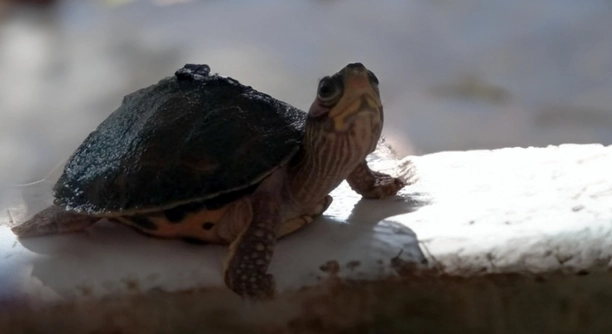
Indian Roofed Tortoises are often seen rubbing their eyes, which can be concerning for pet owners. Understanding this behavior is essential for proper care. It may indicate discomfort or even an underlying health issue that requires attention.
The rubbing of eyes in Indian Roofed Tortoises is commonly caused by irritation, allergies, or even a mild eye infection. Environmental factors like dust, poor humidity levels, or inadequate lighting can also contribute to this behavior, signaling the need for intervention.
Addressing the cause of this behavior is key to ensuring your tortoise stays healthy. By making a few simple adjustments, you can improve your pet’s well-being and comfort.
Common Reasons for Eye Rubbing in Indian Roofed Tortoises
Eye rubbing in Indian Roofed Tortoises can be linked to a number of factors. One common reason is dryness in the environment. These tortoises require a specific humidity level to stay healthy, and if their habitat is too dry, their eyes can become irritated. Dust or debris in the air can also lead to eye discomfort, making your tortoise rub its eyes frequently. In some cases, the rubbing might be a result of eye infections, such as conjunctivitis. This can occur if the tortoise’s eyes are exposed to bacteria or other pathogens, especially if their enclosure is not kept clean. Keeping their habitat clean and ensuring proper humidity can help prevent these issues.
If your tortoise has been rubbing its eyes excessively, the environment should be checked first. Ensure the enclosure has proper humidity and is free from dust. A proper temperature and clean environment play a significant role in the overall health of your tortoise.
If environmental factors are not the cause, the next step is to check for eye infections. Conjunctivitis in tortoises can cause swelling, redness, and discharge. If the eyes appear swollen or you notice any unusual discharge, it is important to consult a veterinarian. Your tortoise may require antibiotics or special eye treatments to resolve the infection. Regular cleaning of their habitat and handling practices can also help reduce the risk of infections in the future.
How to Prevent Eye Irritation in Your Tortoise
It is crucial to maintain the right humidity levels in your tortoise’s enclosure. Ensure it is consistently between 50% and 70%. Cleanliness is also a key factor in preventing eye irritation. Make sure to regularly clean their water and feeding dishes, as well as the flooring of the habitat.
Keeping your tortoise’s environment clean and properly maintained is important for its overall health. Additionally, monitoring its eye condition is a necessary step to avoid any severe issues.
Environmental Factors Affecting Eye Health
Humidity and temperature play a vital role in your tortoise’s eye health. If their environment is too dry or too hot, it can lead to irritation, causing them to rub their eyes. Ensuring a consistent temperature between 75°F and 85°F and maintaining humidity levels between 50-70% can make a big difference. A hygrometer and thermometer will help you monitor these conditions closely.
Dust or debris in the habitat can also contribute to eye discomfort. If the bedding or surroundings are dusty, it can irritate your tortoise’s eyes, causing them to rub. Use bedding that is easy to clean and replace it regularly to reduce dust buildup. Proper ventilation in the enclosure will also help keep the air fresh and reduce irritation.
Making sure the habitat is free from excess dust and has proper ventilation will help reduce the chances of eye rubbing. Regularly clean the habitat and check the humidity levels to keep the environment comfortable for your tortoise.
Signs of Infection in Your Tortoise’s Eyes
If your tortoise continues to rub its eyes despite a clean environment, it could be dealing with an eye infection. Conjunctivitis is common in reptiles, and it can cause symptoms such as swelling, redness, and discharge. If you notice these signs, it’s essential to act quickly. An untreated infection can worsen, leading to more severe health issues.
To treat eye infections, a vet may prescribe eye drops or antibiotics to clear the infection. It’s important to clean the eyes gently with saline solution to help remove any debris or discharge. Make sure to follow the veterinarian’s instructions closely and avoid using over-the-counter human eye treatments, as they may not be suitable for reptiles.
Preventing eye infections involves proper enclosure hygiene and ensuring your tortoise has access to clean water. Regularly disinfect the habitat and replace the water daily to avoid contamination. This will help maintain your tortoise’s eye health and reduce the risk of infection.
Cleaning and Maintenance Tips for a Healthy Habitat
Keeping the tortoise’s enclosure clean is crucial to its overall well-being. Clean the water dish daily to prevent bacterial growth. Replace bedding regularly to reduce dust and mold, which can cause irritation. Maintain proper ventilation and avoid overcrowding to ensure the air stays fresh.
It’s also important to disinfect the enclosure once a week. Use reptile-safe cleaners to wipe down surfaces. This will help prevent the buildup of harmful bacteria or fungus, which can lead to eye infections and other health issues. Regular cleaning reduces the chance of eye discomfort and keeps the tortoise healthy.
Regular Health Checkups
Regular checkups with a reptile vet are essential for monitoring your tortoise’s health. A vet can help identify any eye issues early and suggest preventive care. This can help avoid more serious problems in the future, ensuring your tortoise stays happy and comfortable.
Handling Your Tortoise Properly
When handling your tortoise, make sure to be gentle and avoid putting pressure on its head or eyes. Sudden movements can cause stress and discomfort, which may lead to eye rubbing. Always wash your hands before handling to avoid transferring any harmful substances to its eyes.
FAQ
Why does my Indian Roofed Tortoise rub its eyes?
Eye rubbing can be caused by several factors, including irritation from dry air, dust, or an eye infection. It could also be a sign that the habitat conditions, like temperature and humidity, are not optimal. Keeping the environment clean and maintaining the proper humidity levels can help reduce eye discomfort. If the rubbing persists or the eyes appear swollen or have discharge, it might indicate an infection, and a vet visit is recommended.
How can I prevent my tortoise from rubbing its eyes?
To prevent eye rubbing, ensure that your tortoise’s enclosure has the correct humidity level (50-70%) and temperature (75-85°F). Clean the habitat regularly to avoid dust buildup. Also, ensure the tortoise’s eyes are not exposed to irritants like harsh lighting or excess debris. If your tortoise is showing signs of infection, seek veterinary care immediately.
What signs indicate an eye infection in a tortoise?
Signs of an eye infection in a tortoise include swelling, redness, excessive discharge, or cloudy eyes. If your tortoise is rubbing its eyes frequently and you notice any of these symptoms, it’s important to consult a reptile vet. Early treatment can prevent the infection from worsening and causing further health problems.
How often should I clean my tortoise’s enclosure?
It’s essential to clean your tortoise’s enclosure at least once a week. Clean the water and food dishes daily. Remove soiled bedding and replace it regularly to prevent mold or bacteria buildup. Thoroughly disinfect surfaces once a week using reptile-safe cleaners to keep the habitat clean and healthy.
Can I use regular eye drops for my tortoise’s eye irritation?
No, regular human eye drops are not suitable for tortoises. Reptiles have different physiology, and using human medication can cause harm. If your tortoise’s eyes appear irritated or infected, consult a reptile vet for appropriate treatment. The vet will likely prescribe reptile-safe eye drops or ointments.
How can I improve the humidity in my tortoise’s habitat?
To improve humidity, consider adding a humidity box or a shallow water dish that can help maintain moisture. Misting the enclosure lightly with water once or twice a day can also increase humidity. Ensure the habitat is properly ventilated to prevent excess moisture buildup, which can lead to mold or bacteria growth.
Should I worry if my tortoise’s eyes are slightly cloudy?
Mild cloudiness in a tortoise’s eyes can sometimes be normal, especially in older tortoises or after brumation (a period of dormancy). However, if the cloudiness persists, worsens, or is accompanied by swelling, discharge, or excessive rubbing, it may be a sign of an infection. A vet should assess the condition to ensure proper care.
What should I do if my tortoise’s eye gets scratched?
If your tortoise’s eye appears scratched or injured, it’s important to seek veterinary care immediately. A scratched cornea can lead to serious infections or vision loss. Your vet will likely provide antibiotics or other treatments to prevent further complications. Keep the habitat clean and monitor the tortoise closely during recovery.
How do I know if my tortoise is stressed?
Stress in tortoises can manifest as changes in behavior such as excessive eye rubbing, hiding more than usual, or reduced activity. Stress can be caused by poor habitat conditions, improper handling, or the presence of other animals. Ensure the enclosure is safe and calm, with proper temperature, humidity, and space. Handle your tortoise gently to avoid causing stress.
Can improper lighting cause eye problems in tortoises?
Yes, improper lighting can contribute to eye problems in tortoises. Too much bright or direct light can irritate their eyes, while insufficient UVB light can lead to health issues. Provide a UVB light source in your tortoise’s habitat to mimic natural sunlight. Be sure to follow proper guidelines for light exposure to maintain eye and overall health.
What can I do if my tortoise’s eyes appear swollen?
If your tortoise’s eyes appear swollen, it may be a sign of an infection or injury. Swelling could also be due to a blocked tear duct or environmental factors like dryness or dust. Take your tortoise to the vet for a proper diagnosis and treatment. In the meantime, ensure the habitat conditions are optimal, and avoid further irritation.
Final Thoughts
Understanding why your Indian Roofed Tortoise rubs its eyes can help ensure its health and well-being. Whether it’s due to environmental factors, eye irritation, or potential infections, recognizing the signs early can make a significant difference in how you address the issue. Regularly monitoring its behavior, maintaining a clean and well-maintained habitat, and ensuring proper temperature and humidity levels are essential steps in preventing eye discomfort. If eye rubbing continues despite these adjustments, it’s important to consult a veterinarian to rule out more serious conditions, such as infections or eye injuries.
Maintaining a proper environment is key. Your tortoise’s enclosure should mimic its natural habitat as closely as possible, with the right balance of temperature, humidity, and ventilation. Poor conditions in the enclosure can lead to stress, eye irritation, and other health issues. A clean living space, along with the right diet, will help your tortoise thrive and minimize health risks. In addition, handling your tortoise carefully and avoiding stressful situations can further reduce the chance of eye rubbing or injury.
Ultimately, your tortoise’s eye health is tied closely to its overall care. Paying attention to small changes in behavior, like frequent eye rubbing, can often indicate bigger issues. By ensuring a healthy environment, providing proper veterinary care, and paying attention to your tortoise’s needs, you can help prevent further eye problems and keep your tortoise comfortable. If you’re unsure about what’s causing the eye rubbing or if it doesn’t improve, seeking professional help from a reptile vet will ensure your pet gets the proper care it needs.

Hello,
If you enjoy the content that we create, please consider saying a "Thank You!" by leaving a tip.
Every little bit helps us continue crafting quality advice that supports the health, happiness, and well-being of pets around the world, for pets of all shapes, sizes, and species.
We really appreciate the kindness and support that you show us!