
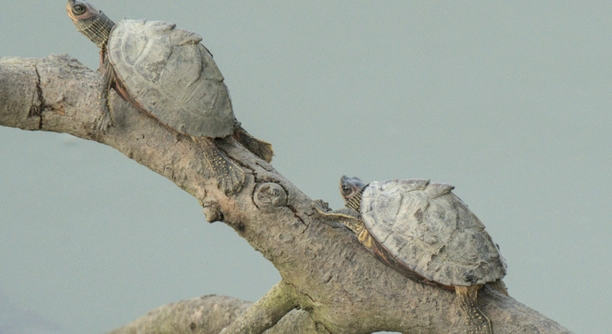
Indian Roofed Tortoises are known for their unique behavior and adaptability. Many pet owners wonder if it’s possible to house train these tortoises, considering their natural tendencies and specific care requirements.
Although Indian Roofed Tortoises can be trained to recognize certain areas for eating, drinking, and relieving themselves, they do not respond to training in the same way as dogs or other mammals. Training methods may require patience and consistency.
With the right approach and some helpful tips, you can make the process easier for both you and your tortoise. Understanding their natural instincts will improve your training experience.
Understanding Indian Roofed Tortoises
Indian Roofed Tortoises are a fascinating species with specific behaviors that can sometimes make house training a challenge. These tortoises are not naturally inclined to interact with humans in the same way that domesticated animals like dogs do. However, with consistent effort, you can train them to adapt to certain routines. They thrive in environments where they feel safe and can establish their own territory. This may involve setting up specific areas in their habitat for eating, drinking, and using the restroom. Understanding their natural behavior and providing a stable environment will go a long way in making the training process more effective. It’s important to remember that every tortoise is unique, so what works for one may not work for another.
Training these tortoises requires more patience than conventional pet training. They are not as responsive to commands or cues but will learn over time with consistent reinforcement. Using positive reinforcement techniques, such as rewarding them with food when they use a designated spot, can help establish routine.
Once you understand your tortoise’s behavior, you can adjust your training methods accordingly. For instance, many tortoises prefer to stay in their habitat’s corners. Providing a designated “bathroom area” within their enclosure may help, as they are more likely to use this space when they feel secure. You can create this area with sand, which they naturally enjoy burrowing in.
Tips for Successful Training
To make house training easier, keep your tortoise’s environment clean and consistent. A messy habitat can confuse them, making it harder for them to identify the right places for specific activities.
When training, keep in mind that these tortoises are more likely to succeed with a structured daily routine. Feed them at the same time each day and give them access to their designated areas. Try not to overwhelm them with too much change in their environment, as it can affect their training progress.
Environment Setup for Training
For successful training, it’s essential to set up a stable, clean environment. Ensure your tortoise has enough space to roam around, but also designate specific areas for eating and bathroom use. This helps them establish a routine and feel secure in their space.
Providing a quiet, well-maintained habitat is key to helping your Indian Roofed Tortoise adapt to training. Place their food and water in consistent spots to encourage them to eat in designated areas. The same goes for bathroom spots; if they have a place they associate with relieving themselves, they will more likely use it. Consistency is crucial in shaping their behavior.
While you should allow them to explore, make sure they have access to their safe space where they can feel relaxed. Tortoises tend to enjoy spaces with warmth and access to hide under objects. Using natural elements like rocks or logs in their enclosure can create a comfortable environment for them. This space is critical to making them feel secure and responsive to training.
Reward System for Reinforcement
Indian Roofed Tortoises can learn through positive reinforcement, although their training style differs from that of mammals. Offer rewards like leafy greens when they use the designated bathroom area. Over time, they will associate these actions with positive outcomes.
Consistency is the key to reinforcing good behavior. Keep rewards simple and consistent, offering them immediately after your tortoise uses the designated area. Be patient, as it may take time for them to connect the dots. Rewarding them every time they succeed helps reinforce the idea that using the bathroom in a specific area is a positive action. Avoid punishing them if they don’t follow through, as this may cause stress and hinder progress.
Understanding their behavior is essential to creating the right reward system. Every tortoise is different, so while some may respond well to leafy greens, others might prefer a different type of food as a reward. Experiment with different treats to see what motivates your tortoise the most.
Patience in Training
Training an Indian Roofed Tortoise takes time. Their behavior is not as easily shaped as that of other pets. It’s important to stay consistent and patient, giving them enough time to adjust to new routines.
Avoid rushing the process. Tortoises can be slow learners, so forcing them into specific actions will not yield quick results. Instead, focus on providing a calm environment where they feel safe. Over time, they will begin to recognize patterns and respond accordingly. Staying patient and understanding their pace is crucial to making progress.
Importance of Cleanliness
Maintaining a clean environment is crucial for training. Tortoises are more likely to use a specific area if their habitat is tidy. Keep their living space free of waste to prevent confusion.
A clean enclosure promotes health and well-being. It also helps establish clear areas for eating, drinking, and bathroom use. A clean environment will encourage your tortoise to follow the desired patterns. This helps make training more effective, as they can distinguish their designated spots more easily.
FAQ
Can I house train my Indian Roofed Tortoise?
Yes, it is possible to house train an Indian Roofed Tortoise, but it requires patience and consistency. Unlike dogs, tortoises don’t respond to commands or cues in the same way. You can train them to use specific areas for eating, drinking, and bathroom habits by creating a routine. It may take time, but with positive reinforcement, they can learn to associate certain spots with particular activities.
How long does it take to house train a tortoise?
Training can take a few weeks to several months, depending on the individual tortoise. Some tortoises might take longer to get used to new habits. The key is consistency and ensuring that their environment stays clean and predictable. Don’t be discouraged if it takes a while; gradual success is normal.
What are the best training methods for a tortoise?
Positive reinforcement is the best method for training Indian Roofed Tortoises. This involves rewarding them with treats or food when they use their designated bathroom area or follow other behaviors you want to encourage. Patience is important because tortoises are slow learners, and they need time to adjust.
What kind of treats should I use for training?
Leafy greens like dandelion greens, collard greens, or romaine lettuce work well as treats. You can also use small pieces of fruit like strawberries or melon. Choose healthy, safe foods to reward your tortoise. Offering their favorite foods will help them associate positive actions with tasty rewards.
Can my tortoise be trained to use a litter box?
Yes, you can train your tortoise to use a designated area as a litter box. Tortoises often prefer a specific spot in their enclosure for bathroom activities. By setting up a small, easy-to-clean area with sand or soil, your tortoise can be encouraged to use it. Be patient as they learn.
How do I know if my tortoise is ready for training?
Your tortoise will be ready for training when it has settled into its new environment. Avoid starting the training process if your tortoise is still adjusting to its enclosure. Once they are comfortable and familiar with their habitat, you can begin to introduce basic training routines.
What should I do if my tortoise is not responding to training?
If your tortoise isn’t responding to training, it may be a sign that they’re not yet comfortable with the new routine or environment. Ensure their habitat is clean and consistent. You might need to adjust the training approach, perhaps by trying different rewards or giving your tortoise more time to adjust.
Can tortoises be trained to follow commands?
Unlike dogs, tortoises cannot be trained to follow vocal commands or perform tricks. However, they can learn to associate certain actions with rewards. This could include using a designated area for bathroom needs or eating at specific times. Training tortoises requires a different approach than training more social pets.
Do I need to train my tortoise to use the bathroom?
It’s not essential to train your tortoise to use a bathroom area, but it can make maintenance easier. Tortoises naturally tend to choose a specific spot to relieve themselves. By encouraging this behavior, you can minimize messes and ensure their habitat stays cleaner.
Is there a specific age to start training a tortoise?
Tortoises can be trained at any age, but younger tortoises may adapt more easily to new routines. Older tortoises, however, can still be trained with patience. Starting early helps establish good habits, but training can still be successful with adults as long as you remain consistent.
How often should I clean my tortoise’s enclosure during training?
Cleaning the enclosure regularly is important for maintaining a healthy environment. Aim to clean the enclosure at least once a week, but spot clean more frequently, especially after feeding. Keeping the habitat clean helps your tortoise recognize designated areas for eating and bathroom activities.
Can I use a tortoise harness or leash for training?
Tortoises generally don’t adapt well to harnesses or leashes, as they prefer to move at their own pace. While some owners have had success with harness training, it requires a lot of patience and is not as effective as teaching them to use a designated spot for bathroom needs.
What if my tortoise keeps making a mess outside its designated area?
If your tortoise keeps making a mess outside its designated area, it may need more time to learn. Ensure that the designated area is appealing to them by keeping it clean and using materials they enjoy, like sand. Keep their enclosure tidy and avoid overwhelming them with changes.
How can I help my tortoise feel more comfortable during training?
To help your tortoise feel more comfortable, provide a quiet and consistent environment. Avoid stressing them with too much interaction or movement during training sessions. A calm, stable space will make them feel secure and more likely to engage in the training process.
What should I do if my tortoise refuses to use the designated bathroom area?
If your tortoise refuses to use the designated bathroom area, try adjusting the location or materials of the area. Make sure it’s clean and inviting. It can take time, but patience and consistency will eventually lead to success. Don’t force your tortoise to use it, as this can cause stress.
Final Thoughts
Training an Indian Roofed Tortoise is not an easy task, but it is possible with time and patience. These tortoises are naturally slow-moving and take a while to adapt to new routines. While they may not respond to training in the same way as more traditional pets, like dogs, they can learn to use specific areas for certain activities. The key is consistency. Repeating the same actions and offering rewards when they show the desired behavior helps them understand what you expect. Over time, they will start associating the training area with the specific activities you want them to perform there.
Creating a suitable environment plays a large role in how successful the training will be. Ensuring that their living space is clean and comfortable can make a significant difference in how easily your tortoise can adapt to the new routine. They need to feel secure and calm in their habitat to focus on training. Offering appropriate foods as treats and encouraging them with positive reinforcement can help them associate the training process with rewards, further promoting the behavior you wish to establish. However, it is essential to avoid rushing the process, as tortoises are not naturally quick learners.
While training an Indian Roofed Tortoise might take some effort, it can be a rewarding experience. With a well-maintained, clean environment and a slow, consistent approach, your tortoise can learn to use specific areas for bathroom activities, making your job as a pet owner easier. Each tortoise is unique, and some may take longer than others to catch on. But with the right mindset and a willingness to be patient, you can train your tortoise successfully. Just remember to be patient, keep the process consistent, and let your tortoise adjust at its own pace.

Hello,
If you enjoy the content that we create, please consider saying a "Thank You!" by leaving a tip.
Every little bit helps us continue crafting quality advice that supports the health, happiness, and well-being of pets around the world, for pets of all shapes, sizes, and species.
We really appreciate the kindness and support that you show us!