
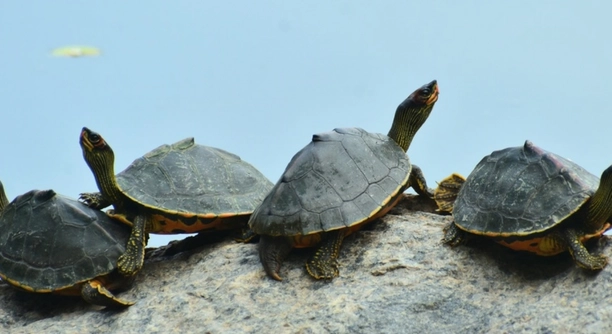
Indian roofed tortoises are fascinating creatures that thrive in various habitats. However, many owners may face the challenge of their tortoises refusing to drink water, a behavior that can cause concern. Understanding the reasons behind this refusal is essential.
There are several reasons why an Indian roofed tortoise might refuse water, including stress, improper environmental conditions, or health issues. Dehydration can also be caused by inadequate humidity levels or poor diet, leading to a reluctance to drink water.
Knowing the root causes of this behavior will allow you to create a better environment for your tortoise. Understanding these factors can help ensure their well-being and prevent further health complications.
Stress and Anxiety Can Affect Drinking Habits
Stress is a common reason why an Indian roofed tortoise might refuse water. These creatures are sensitive to changes in their environment, including loud noises, handling, or the presence of other animals. If they feel threatened or uncomfortable, they may avoid drinking water. When stressed, a tortoise’s body can go into a state of alert, which decreases its need for hydration temporarily. However, prolonged stress can lead to dehydration, causing further health issues. Providing a calm and stable environment can help reduce stress, promoting regular water consumption.
Creating a peaceful space for your tortoise can make a significant difference in its hydration habits. This includes limiting disturbances around its habitat and ensuring that the enclosure feels safe and secure.
A consistent daily routine can also help alleviate stress. When feeding times and cleaning schedules are predictable, tortoises feel more in control of their environment. If you’re noticing that your tortoise avoids water after stressful events, adjusting its habitat can improve both hydration and overall health.
Temperature and Humidity Conditions Matter
Tortoises rely on the right environmental conditions to stay healthy. The temperature and humidity in their enclosure play a crucial role in their well-being. If these conditions are too dry or too cold, your tortoise might refuse water.
Inadequate humidity can cause dehydration and result in a lack of interest in drinking. Maintaining proper humidity and a temperature gradient within the enclosure allows your tortoise to regulate its body temperature and hydration more effectively.
Diet and Water Intake
The food your tortoise eats can affect its water consumption. Some foods, such as leafy greens and fruits, have high water content and may reduce the need for your tortoise to drink. However, a diet that lacks these foods can make your tortoise more reliant on drinking water.
If your tortoise isn’t eating enough water-rich foods, it might be more inclined to refuse drinking water altogether. To encourage hydration, you can feed your tortoise water-dense vegetables like cucumbers and lettuce. These additions not only provide nutrition but also help maintain proper hydration levels.
A poor diet that lacks essential nutrients can also reduce your tortoise’s overall health and appetite. A lack of water intake may be a sign of an imbalance in their food choices. Adding variety to their diet will help them stay hydrated and healthy.
Health Concerns and Illness
Health problems such as respiratory infections or kidney issues may also prevent your tortoise from drinking water. When unwell, tortoises tend to become lethargic, lose their appetite, and show disinterest in drinking. It’s important to keep an eye on any changes in behavior or physical appearance.
If you notice your tortoise isn’t drinking water, and there are other signs of illness such as a swollen shell, lethargy, or difficulty breathing, it’s best to consult with a vet. They can properly diagnose the issue and suggest treatments to help restore your tortoise’s health.
Dirty Water
If your tortoise’s water is dirty, it may refuse to drink. Tortoises are clean animals and prefer fresh water. Stagnant or unclean water can discourage drinking and may lead to further health issues like infections or gastrointestinal problems. Make sure to change the water regularly to keep it clean.
Changing the water frequently ensures that your tortoise is drinking clean, fresh water. Tortoises will often avoid drinking if they sense contaminants or debris in their water, so regular cleaning of both the water bowl and enclosure is essential for their health.
Overexposure to Heat
Excessive heat can also cause your tortoise to avoid drinking. If the basking area is too hot, your tortoise may become overheated and stressed, leading to dehydration. This can make them less likely to drink. Keeping the temperature in check is essential for maintaining proper hydration levels.
Ensure there is a temperature gradient in the enclosure, allowing your tortoise to regulate its body heat and stay hydrated. This allows the tortoise to move between areas of warmth and cooler spots, preventing overheating.
FAQ
Why is my Indian roofed tortoise not drinking water?
There could be several reasons for this behavior. Stress, improper environmental conditions, or health issues are common causes. If your tortoise feels threatened, stressed, or uncomfortable, it may refuse to drink. Ensure that the habitat is calm, with proper temperature and humidity levels. A poor diet or unclean water could also discourage drinking, so always offer fresh water and water-dense foods like cucumbers.
How can I make my tortoise drink water?
To encourage your tortoise to drink, ensure the water is clean and fresh. You can also add water-rich foods like cucumbers and watermelon to its diet. If your tortoise isn’t drinking, try gently soaking it in shallow, lukewarm water for about 20 minutes. This can encourage hydration. Providing a calm environment and reducing stress factors also helps.
Can dehydration harm my tortoise?
Yes, dehydration can seriously affect your tortoise’s health. It can lead to issues like kidney problems, lethargy, and digestive issues. If a tortoise is dehydrated for an extended period, it may suffer from organ failure or even death. Proper hydration is crucial to maintaining their health and overall well-being.
How often should I change my tortoise’s water?
Water should be changed at least once a day to ensure it remains clean and fresh. Dirty water can discourage your tortoise from drinking, and it can lead to bacteria buildup. Always check the water daily to ensure it’s free of debris and contaminants, making it more appealing to your tortoise.
How do I know if my tortoise is dehydrated?
Signs of dehydration include lethargy, sunken eyes, dry skin, and a lack of appetite. If your tortoise is sluggish and not drinking, it may be dehydrated. You can test for dehydration by gently pinching the skin; if it doesn’t return to its normal position quickly, your tortoise is likely dehydrated.
Should I worry if my tortoise is not eating or drinking?
A lack of eating or drinking can indicate several issues. Stress, illness, or environmental factors could be at play. If your tortoise is refusing both food and water for more than a day or shows other signs of illness (like swelling or labored breathing), consult a vet. It’s essential to act quickly to avoid severe dehydration or health complications.
Can I force my tortoise to drink water?
You should never force your tortoise to drink water. Forceful methods can cause injury or stress. Instead, try soaking your tortoise in a shallow pan of lukewarm water, allowing it to hydrate naturally. If it continues to avoid water, review its diet, habitat, and health for possible underlying issues.
What temperature should my tortoise’s water be?
The water should be lukewarm, not too hot or too cold. Around 75°F to 85°F (24°C to 29°C) is ideal. Water that is too cold can cause stress, while water that is too hot can lead to burns. Always check the water temperature before offering it to your tortoise.
Why won’t my tortoise drink even after soaking it?
If your tortoise refuses to drink even after soaking, check for other potential causes. Ensure its environment is stress-free, with the proper humidity and temperature. Poor diet or an underlying health problem can also prevent drinking. If necessary, take your tortoise to a vet for further examination.
What are some signs my tortoise is stressed?
Signs of stress include hiding, excessive basking, refusal to eat or drink, and aggression. If your tortoise becomes more reclusive or shows unusual behavior after changes in its environment, it may be stressed. Reducing stressors in its habitat, such as loud noises or the presence of other animals, can help.
Final Thoughts
Indian Roofed Tortoises are generally hardy creatures, but there are various factors that can affect their water intake. Understanding why your tortoise may be refusing water is important in maintaining its health. Whether it’s due to environmental stress, illness, or something as simple as dirty water, recognizing the signs early can help prevent further complications. Monitoring their behavior closely and adjusting their habitat accordingly can make a significant difference.
Proper hydration is essential for the overall well-being of your tortoise. A lack of water can lead to severe health issues, including dehydration and kidney problems. Offering a clean and fresh water source, along with water-dense foods, can encourage hydration. Maintaining the right temperature, humidity, and diet also plays a crucial role in keeping your tortoise healthy and hydrated. Be sure to observe its behavior and look out for any signs of stress or discomfort. If the refusal to drink continues, it may be time to consult a veterinarian for a more thorough evaluation.
Ultimately, providing a stress-free and healthy environment is key to ensuring that your tortoise stays hydrated. Regularly clean its water bowl and ensure its enclosure meets its specific needs. With the right care, your Indian Roofed Tortoise can thrive and maintain a healthy, balanced life. By being attentive and proactive, you can help your tortoise stay well-hydrated and prevent any potential issues from developing.

Hello,
If you enjoy the content that we create, please consider saying a "Thank You!" by leaving a tip.
Every little bit helps us continue crafting quality advice that supports the health, happiness, and well-being of pets around the world, for pets of all shapes, sizes, and species.
We really appreciate the kindness and support that you show us!