
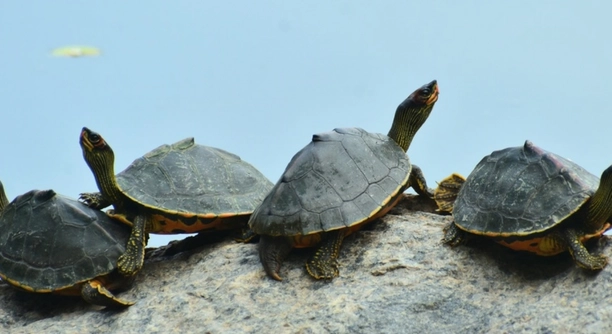
Indian Roofed Tortoises are fascinating creatures that display a variety of unique behaviors. These behaviors are not just for survival but also for communication and interaction with their environment. Understanding them offers insight into their natural instincts.
Indian Roofed Tortoises engage in several intriguing behaviors, including head-bobbing, shell posturing, and nesting rituals. These actions can indicate their mood, territoriality, and readiness to mate, showcasing their adaptive responses to both social and environmental cues.
By observing these behaviors, you can gain a deeper understanding of the tortoise’s world. Discover the meanings behind their actions and what they reveal about their behavior patterns.
Head-Bobbing Behavior in Indian Roofed Tortoises
Head-bobbing is one of the most noticeable behaviors in Indian Roofed Tortoises. This action typically occurs when they are interacting with other tortoises, often as a form of communication. It’s commonly seen during mating rituals or when they feel threatened. Males are known to bob their heads more frequently, especially in the presence of females, as part of courtship displays. This behavior signals aggression or dominance during territorial disputes and can also be a sign of excitement.
The frequency and intensity of head-bobbing can vary, depending on the tortoise’s mood and surroundings. In some cases, it serves as a warning, urging others to stay away. This behavior can also be used to assert dominance in the wild or among captive tortoises.
In captivity, you might notice your tortoise head-bobbing when it sees another tortoise nearby or feels a sudden change in its environment. It’s important to provide a calm, stable space to minimize stress-related behaviors like excessive head-bobbing.
Shell Posturing and Display
Shell posturing is another common behavior among Indian Roofed Tortoises. When they stretch their necks and lift their shells, it’s usually an attempt to look larger or more intimidating. This display is often seen when they feel threatened or challenged by another tortoise.
This behavior helps to establish dominance and can sometimes be a response to stress. It’s a natural way for the tortoise to protect itself, especially in the wild. In captivity, it’s important to observe these displays as they can indicate the need for space or adjustments in their living conditions.
Nesting Rituals of Indian Roofed Tortoises
Nesting rituals are crucial for Indian Roofed Tortoises, especially during mating season. Females will search for a suitable location to lay their eggs, often preferring areas with loose, sandy soil. The process is instinctual and deeply tied to the environment around them.
Once a female tortoise finds the perfect spot, she will begin digging with her hind legs to create a nest. This behavior helps ensure that the eggs are securely buried and protected from predators. After laying her eggs, she covers them with soil and may leave the area to return to her usual habitat. In captivity, it’s essential to provide a nesting area that mimics natural conditions to promote healthy egg-laying.
These nesting behaviors can vary slightly depending on the specific environment, but the underlying instinct remains strong in tortoises. If you own one, providing access to a safe, secure nesting area can help ensure the comfort and health of your pet.
Tortoise Territorial Behavior
Indian Roofed Tortoises are highly territorial creatures. They display a strong sense of ownership over specific areas, often using visual cues, scent markings, and head-bobbing to ward off other tortoises. Territorial disputes can occur, especially when multiple tortoises are kept in close proximity.
These territorial actions are a way of ensuring that each tortoise has enough space and resources for survival. They can become more aggressive if they feel their territory is being encroached upon. In captivity, it’s important to observe their interactions closely, as overcrowding can lead to stress and fighting. Offering sufficient space and hiding spots can help reduce territorial conflicts.
When these tortoises are in the wild, their territorial behavior is vital for their survival. It ensures that they maintain access to food sources and a safe environment. Understanding this instinct helps in creating a better habitat for them.
Tortoise Feeding Behavior
Indian Roofed Tortoises are herbivores, feeding on a variety of plants, fruits, and vegetables. Their feeding habits are influenced by their environment and availability of food. They tend to forage throughout the day, searching for fresh, edible materials.
When feeding, they show a calm and methodical approach. They use their sharp beaks to tear plants apart and slowly chew their food. It’s important to provide a balanced diet, consisting of leafy greens, fruits, and occasional protein to keep them healthy. Their feeding behavior can reveal a lot about their general well-being.
Feeding behavior in tortoises is also linked to their growth and activity levels. A lack of appetite or disinterest in food can be a sign of stress or health issues. Maintaining a stable and nutritious feeding routine helps support their overall health.
Tortoise Social Behavior
Indian Roofed Tortoises are solitary animals, but they may interact with others during the breeding season or when sharing a habitat. Their social interactions can vary from simple observations to occasional disputes over territory.
These tortoises do not form close bonds with others but are known to engage in mild interactions when necessary. They communicate with each other through body movements like head-bobbing or shell posturing, signaling territorial boundaries or mating intentions. Although not highly social, these behaviors are essential to their survival and reproduction.
Tortoise Hibernation Patterns
During colder months, Indian Roofed Tortoises enter a state of dormancy or brumation. This process is similar to hibernation in other animals, where the tortoise’s metabolism slows down, and it becomes inactive.
Brumation allows tortoises to conserve energy while surviving through periods of lower food availability and cooler temperatures. It’s essential to provide a suitable environment for brumation, ensuring that your tortoise stays in a stable, cool space. This behavior is natural and necessary for their survival, as it helps them rest and recover for the warmer months.
FAQ
What do Indian Roofed Tortoises eat?
Indian Roofed Tortoises are herbivores. Their diet consists of a variety of leafy greens, fruits, vegetables, and occasionally flowers. Common food items include dandelion greens, hibiscus flowers, and fruits like papaya or watermelon. They avoid eating meat, so it’s important to provide a balanced, plant-based diet. Always ensure the food is fresh and pesticide-free for their health.
How often should I feed my Indian Roofed Tortoise?
Feeding frequency depends on the age and size of the tortoise. Juvenile tortoises require more frequent feedings, typically once or twice a day. Adult tortoises usually eat every other day or every few days, as they are less active. Overfeeding can lead to obesity and health problems, so it’s important to offer food in moderation.
Can Indian Roofed Tortoises be kept with other tortoises?
Indian Roofed Tortoises can be kept with other tortoises, but it requires careful consideration. If housed together, make sure there is enough space to avoid territorial disputes. Male tortoises are especially prone to aggression during mating seasons. Ensure there are plenty of hiding spots and separate areas for feeding.
Do Indian Roofed Tortoises need a heat source?
Yes, Indian Roofed Tortoises require a heat source to regulate their body temperature. A basking light or heat lamp is essential for creating a warm environment, especially for captive tortoises. The temperature should range between 85 to 95°F in their basking area. Night temperatures can drop to 70°F. Avoid temperatures that are too cold, as it may lead to health issues.
How do I create a proper habitat for my Indian Roofed Tortoise?
Creating the right habitat involves a few essential factors. First, provide a spacious enclosure, whether indoor or outdoor, with enough space to roam. Include a hiding spot where the tortoise can feel secure. Substrate should be easy to dig, like soil or sand, and should allow the tortoise to burrow. Ensure proper humidity levels and access to fresh water.
Do Indian Roofed Tortoises require UVB lighting?
Yes, Indian Roofed Tortoises require UVB lighting to help them produce vitamin D3, which is essential for calcium absorption and bone health. UVB lights should be on for 10 to 12 hours daily. If kept outdoors, they can get their UVB from natural sunlight, but indoor tortoises need artificial lighting.
How long do Indian Roofed Tortoises live?
Indian Roofed Tortoises have a long lifespan, often living between 40 and 50 years, sometimes even longer with proper care. Their life expectancy depends on the quality of care, including diet, habitat, and medical attention. Captive tortoises typically live longer than those in the wild due to fewer predators and constant care.
What are common health problems in Indian Roofed Tortoises?
Common health issues include respiratory infections, shell rot, parasites, and vitamin deficiencies. Respiratory infections often occur due to improper humidity or temperature levels. Shell rot is caused by injury or infection. If you notice abnormal behavior, lack of appetite, or changes in their shell or eyes, it’s best to consult a veterinarian.
How can I tell if my Indian Roofed Tortoise is sick?
Signs of illness in Indian Roofed Tortoises include lethargy, loss of appetite, nasal discharge, wheezing, and swelling in the eyes or shell. If you notice any of these symptoms, it’s crucial to seek veterinary help immediately. Regular check-ups are recommended to prevent health issues from developing.
What is the best substrate for an Indian Roofed Tortoise?
The best substrate is one that mimics their natural environment. Use a mix of soil and sand, which allows for digging and burrowing. Coconut husk or shredded bark is also a good choice, as it maintains humidity levels. Avoid using cedar or pine wood chips, as they can cause respiratory issues.
Can Indian Roofed Tortoises swim?
Indian Roofed Tortoises are not strong swimmers, though they may wade in shallow water. They should never be left in deep water, as they can struggle to get out and may drown. A shallow, non-slippery water dish is ideal for drinking and occasional bathing. Always supervise your tortoise near water.
Are Indian Roofed Tortoises social animals?
Indian Roofed Tortoises are not particularly social. They tend to be solitary animals, only interacting with others during mating or territorial disputes. While they can tolerate the presence of other tortoises, they generally prefer their own space. Social behavior may occur during the breeding season, but otherwise, they are mostly independent.
Do Indian Roofed Tortoises hibernate?
Indian Roofed Tortoises go through a period of brumation (similar to hibernation) during colder months. During brumation, their metabolic rate slows down, and they become less active. In captivity, you can control the temperature to prevent brumation, but if kept outdoors, they may naturally enter a dormant state during winter.
How do I encourage my Indian Roofed Tortoise to eat more?
If your tortoise isn’t eating, check its habitat for temperature and humidity levels. Tortoises often lose their appetite if these factors aren’t ideal. Try offering different food varieties, such as dark leafy greens or fruits like strawberries and papaya. If it continues to refuse food, seek advice from a vet.
How can I tell if my Indian Roofed Tortoise is stressed?
Signs of stress include pacing, excessive head-bobbing, loss of appetite, and hiding more than usual. Environmental factors like overcrowding, incorrect temperature, or improper lighting can cause stress. If you notice any of these behaviors, assess their environment and make necessary adjustments to reduce their stress levels.
What should I do if my Indian Roofed Tortoise is not active?
If your tortoise isn’t moving around, it could be a sign of illness or improper environmental conditions. Check the temperature and humidity in its enclosure to make sure they are within the right range. If everything seems normal and the inactivity continues, consult a veterinarian to rule out any underlying health issues.
Final Thoughts
Indian Roofed Tortoises are fascinating creatures with unique behaviors that can be both intriguing and rewarding to observe. From their basking habits to their interactions with their environment, these tortoises offer a glimpse into a slow-paced, yet highly adaptive lifestyle. Understanding their needs and habits is key to providing them with a healthy, happy life. By ensuring they have the right habitat, diet, and care, you can enjoy their company for many years to come.
While Indian Roofed Tortoises are relatively low-maintenance compared to other pets, they still require specific attention to thrive in captivity. Their habitat needs to replicate their natural environment as closely as possible, which includes proper heating, UVB lighting, and humidity. Regular health checks are crucial to catch any issues early on, as even small changes in their behavior could signal an underlying problem. It’s also important to remember that they may not be the most interactive animals, but with patience and care, you can develop a bond with them over time.
In conclusion, owning an Indian Roofed Tortoise can be a fulfilling experience, but it requires a commitment to their care and well-being. By learning about their behaviors and creating an appropriate environment, you can ensure they live a long, healthy life. Whether you’re an experienced reptile keeper or a first-time tortoise owner, these animals offer a unique perspective on the slower rhythms of life. Always remember that providing them with the right care and respect is essential for their overall happiness.

Hello,
If you enjoy the content that we create, please consider saying a "Thank You!" by leaving a tip.
Every little bit helps us continue crafting quality advice that supports the health, happiness, and well-being of pets around the world, for pets of all shapes, sizes, and species.
We really appreciate the kindness and support that you show us!