
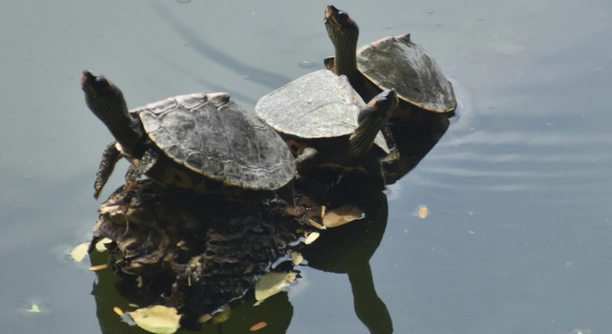
Your Indian Roofed Tortoise may stare at you for various reasons. This behavior is common among reptiles, who tend to observe their surroundings intently, and it can also be a way of expressing curiosity or bonding with their owners.
The most common reason your Indian Roofed Tortoise stares at you is curiosity or an attempt to communicate. They may be trying to understand their environment or even respond to your movements, using their gaze as a means of interaction.
Understanding why your tortoise stares at you can lead to better care and more meaningful interactions. It is important to consider the context of this behavior for both your pet’s well-being and your bond with them.
Why Does My Indian Roofed Tortoise Stare?
Your Indian Roofed Tortoise may seem to gaze at you for an extended period, which can make you wonder about their intentions. While it may feel like an odd behavior, it’s common for reptiles to watch their environment closely. Unlike mammals, who rely heavily on body language and vocalization, reptiles often use visual signals to process their surroundings. The way they stare can be a way of observing, learning, or interacting with their environment.
There is no need to worry if your tortoise stares at you. This behavior is quite normal and is usually driven by their natural curiosity. It’s a part of how they adapt and familiarize themselves with new stimuli, like the presence of their owner. Tortoises can spend a considerable amount of time observing their environment for signs of movement or potential threats.
You may notice that your tortoise stares more when you are near its enclosure. This could be due to the curiosity they feel towards you. Tortoises may even begin to recognize their owners, and this stare can be a way of showing interest or affection. They are likely trying to gauge your movements and understand if you are a part of their safe space or a potential threat. Over time, this could also lead to a deeper connection as your tortoise associates you with their daily routines, like feeding or cleaning.
What Other Behaviors Should You Look For?
In addition to staring, your tortoise may exhibit other curious behaviors like walking in circles or tilting its head. These are all signs of curiosity or attempts to understand their surroundings better. Tortoises are intelligent creatures that explore by observing everything around them. They are not just passive pets; they actively engage with their environment.
Another reason for staring could be your tortoise trying to communicate with you. Though they can’t vocalize like other pets, their body language is often a clear indicator of how they feel. If your tortoise seems to follow you around or watches your movements closely, it’s a sign of recognition. They might associate you with something positive, like food or attention, and may stare at you as a way to communicate that they expect something from you.
Understanding these behaviors can enhance your relationship with your tortoise. Their actions reveal important clues about their needs and comfort level. With time, you may notice other patterns emerging that help you better care for them. Being observant of their reactions can make a difference in how you interact with your pet.
The Role of Lighting in Your Tortoise’s Behavior
Tortoises are naturally drawn to light, and the intensity of light in their environment can affect their behavior. If they are staring at you during daylight hours, it could be because they are attracted to the warmth or brightness that you provide. Proper lighting is essential for your tortoise’s well-being, as it helps regulate their body temperature and encourages activity. The placement of your tortoise’s enclosure can influence how much light they receive throughout the day.
If the lighting is insufficient, your tortoise may become lethargic or start to exhibit odd behaviors, such as prolonged staring. These creatures rely heavily on light and warmth for their physical and mental health. Exposure to the right lighting conditions can also help your tortoise maintain a proper day-night cycle. A well-lit environment encourages them to be more active, which may reduce excessive staring behavior.
If your tortoise is in a dimly lit space, they might be trying to adjust or find better light sources. Adding a UVB light bulb can mimic the sunlight they would experience in their natural habitat, helping them stay healthy and active. This can improve their overall behavior, as they will feel more energized and less inclined to stare.
How Tortoise Behavior Changes with Age
As tortoises grow older, their behavior tends to change. Younger tortoises are often more energetic and curious, constantly moving around and exploring their environment. As they age, they may become more relaxed, focusing on absorbing their surroundings. Older tortoises may not move as much but may still be keen on observing what’s going on around them.
The tendency to stare could be a sign that your tortoise is more reflective or less active due to age. As their physical abilities decline, they may spend more time in one place, staring or observing rather than exploring. This doesn’t indicate a health problem but rather an adjustment to their energy levels. Their increased focus may also be a way of compensating for reduced movement.
With age, tortoises can become more selective in what they observe, focusing their attention on specific stimuli. They may stare at you or other objects for longer periods because they are processing the environment more deliberately.
Environmental Stressors
Tortoises can also stare due to environmental stressors. If they feel threatened or uneasy, they may freeze in place and observe their surroundings closely. This is often a survival instinct, helping them assess the situation before reacting. Changes in their environment, such as new sounds or unfamiliar objects, can trigger this behavior.
Loud noises, a change in temperature, or even a new pet in the household can lead to stress for your tortoise. When under stress, your tortoise may stare at you or other elements in their environment, attempting to gather information and regain a sense of safety. Being aware of these factors can help you create a more comfortable space for your pet.
Health and Comfort
Your tortoise’s health could also explain their staring behavior. If they are feeling unwell or uncomfortable, they may not be as active, and this could cause them to stare. Changes in behavior, such as a lack of movement or unusual gazing, might be a sign of a health issue that needs attention.
In some cases, tortoises may experience discomfort due to improper diet, lack of UVB light, or a stressful living environment. If your tortoise is otherwise acting normally but stares frequently, it could indicate a subtle problem. Monitoring their diet, light exposure, and living conditions can help alleviate these issues.
The Bond Between You and Your Tortoise
As your tortoise becomes familiar with you, staring may also indicate recognition or bonding. Tortoises are not as social as mammals, but they can develop a unique connection with their owners. The act of staring could be a way for your tortoise to acknowledge your presence.
Over time, your tortoise may start associating you with positive experiences, like feeding or petting, and their gaze may reflect a sense of trust. This behavior is subtle, but it can be rewarding to observe as it deepens the bond between you and your pet.
FAQ
Why does my Indian Roofed Tortoise stare at me?
Your tortoise may stare at you due to curiosity, recognition, or to assess their surroundings. This behavior is common among reptiles, who use their gaze to observe and process their environment. It’s a normal way for them to interact with you and understand their surroundings better. If your tortoise is staring at you, they may be trying to recognize you or show interest in what you’re doing.
Is it a sign of affection when my tortoise stares at me?
While tortoises are not known for expressing affection in the same way mammals do, their gaze can indicate a sense of recognition or comfort. Over time, your tortoise may begin to associate you with positive experiences, like feeding or care, and stare at you as a way of acknowledging your presence. Though not overtly affectionate, it can still be a sign that they are becoming familiar with you.
Should I be worried if my tortoise stares at me for long periods?
Long periods of staring are typically not something to worry about unless accompanied by other signs of distress or discomfort. Tortoises may stare to process their surroundings or out of curiosity. However, if your tortoise is inactive or seems lethargic alongside the staring, it could indicate a health issue, and a vet visit might be necessary.
Does my tortoise stare because it is stressed?
Yes, stress can cause tortoises to stare. They may freeze in place, trying to understand or assess a new or potentially threatening situation. This is common if there are changes in their environment, such as new pets, loud noises, or a change in their living conditions. If the staring is coupled with other signs of stress like hiding or lack of appetite, it’s important to investigate potential stressors and address them.
Can lighting affect my tortoise’s staring behavior?
Yes, lighting can influence your tortoise’s behavior. Tortoises are drawn to light, and inadequate lighting can make them lethargic, potentially leading to more staring as they try to adjust. Proper UVB lighting is essential for their health, as it helps regulate their sleep-wake cycle and energy levels. Without sufficient light, your tortoise may appear inactive and stare longer. Ensure your tortoise’s enclosure is well-lit with proper UVB light to maintain their well-being.
Is my tortoise staring at me because it’s hungry?
Your tortoise may stare at you when it is hungry, especially if it has learned to associate you with food. Tortoises are intelligent and can recognize feeding times. If you notice your tortoise staring at you more often around feeding time, it’s likely they are trying to communicate their hunger. Be mindful of your tortoise’s feeding schedule to ensure they are getting the proper amount of food.
How can I tell if my tortoise is staring out of boredom?
If your tortoise is in a confined space with limited things to do, it may stare simply out of boredom. Tortoises need stimulation and an environment that mimics their natural habitat. If your tortoise seems to spend a lot of time staring, consider adding new objects or enriching their enclosure with climbing areas, hiding spots, and plants. Regular interactions with your tortoise can also help reduce boredom.
What other behaviors should I look for in my tortoise?
Along with staring, there are other behaviors to observe in your tortoise. If it starts pacing, digging, or becomes unusually aggressive, it could indicate stress, discomfort, or health issues. A lack of movement or interest in food may also signal a problem. Always monitor changes in behavior, as they can provide important clues about your tortoise’s health.
Can my tortoise stare at me because it’s scared?
Yes, fear can cause your tortoise to stare. If it feels threatened by something in its environment, it may freeze and stare, trying to assess the situation. This is often a survival instinct, as they rely on observation to determine if something is a threat. If your tortoise is also hiding or retracting into its shell, it’s a clear sign of fear or anxiety.
How can I help my tortoise feel more comfortable and stop staring?
To help your tortoise feel more comfortable, ensure its environment is stable and stress-free. Maintain a consistent routine with feeding times, proper lighting, and temperature control. If your tortoise seems to stare due to stress, identify and remove potential stressors, such as loud noises, unfamiliar people, or other pets. Enrich their space with natural elements like plants and hiding spots to make it more engaging.
Can a new tortoise staring at me indicate it’s adjusting to its new home?
Yes, a new tortoise may stare as it adjusts to its new environment. Moving to a new home can be stressful for tortoises, and staring is often a way for them to assess their surroundings. This behavior should decrease as your tortoise becomes more comfortable in its new space. Be patient and give it time to settle in.
Final Thoughts
Understanding why your Indian Roofed Tortoise stares at you can offer valuable insight into their behavior and needs. Tortoises are naturally curious creatures and often use their gaze to observe their environment and process what’s going on around them. It’s essential to recognize that staring is generally normal, especially when it occurs as a part of their natural behavior. Over time, your tortoise may become more familiar with you and start associating you with positive experiences like feeding or care. In these cases, the staring may be a sign of recognition or comfort.
However, it’s important to pay attention to other signs that may accompany the staring. If your tortoise’s staring is persistent and accompanied by lack of movement, loss of appetite, or hiding, it could indicate stress, discomfort, or a health issue. It’s crucial to maintain an environment that is stable and stress-free for your tortoise. This means providing proper lighting, temperature control, and a comfortable space for them to thrive. Addressing environmental stressors, like loud noises or changes in the household, can also help reduce the amount of staring caused by anxiety.
Finally, while staring can be a sign of curiosity or recognition, it’s essential to monitor your tortoise’s overall well-being. If their behavior changes drastically or they seem unwell, it’s always a good idea to consult a veterinarian. Taking a proactive approach to their care will help ensure that your tortoise remains healthy, happy, and comfortable in its environment. Regular observation and attention to their needs can foster a better relationship with your pet and allow you to better understand their unique ways of interacting with the world around them.

Hello,
If you enjoy the content that we create, please consider saying a "Thank You!" by leaving a tip.
Every little bit helps us continue crafting quality advice that supports the health, happiness, and well-being of pets around the world, for pets of all shapes, sizes, and species.
We really appreciate the kindness and support that you show us!