
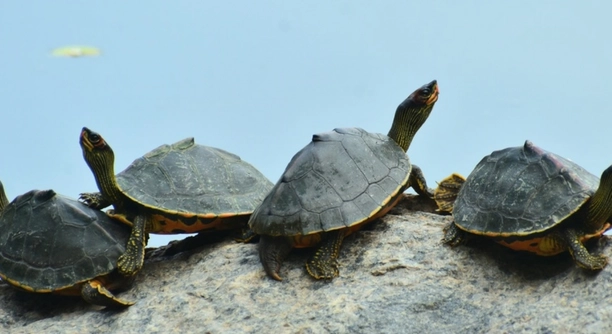
An Indian roofed tortoise relies on a stable environment to stay healthy, but power outages can disrupt its habitat. It’s important to take quick action to ensure the safety of your tortoise during these times.
To keep your Indian roofed tortoise safe during a power outage, maintain the temperature in its enclosure by using backup heat sources, such as battery-operated heaters or hot water bottles. Keep the tortoise’s habitat as undisturbed as possible to prevent stress.
Taking these steps will ensure your tortoise stays safe and comfortable. Learn more about simple precautions that can help you care for your pet during a power outage.
Ensuring Proper Temperature for Your Tortoise
During a power outage, the temperature in your tortoise’s enclosure can quickly drop, which can be harmful. Indian roofed tortoises require a consistent temperature to stay healthy, so it’s essential to monitor the environment closely. If the temperature falls too low, the tortoise could become stressed or even ill. You can use battery-operated heat pads or heated rocks to provide warmth during the outage. These options help maintain the temperature without needing electricity. Hot water bottles wrapped in towels can also serve as a temporary heat source. It’s best to keep the enclosure covered to retain as much warmth as possible.
If you have a thermometer in the enclosure, check the temperature regularly. The ideal range for an Indian roofed tortoise is between 80°F and 85°F during the day. Keeping the temperature steady is critical for their well-being.
When the power is restored, make sure the heating devices are still working. It’s important to test everything before the next outage to ensure your tortoise remains safe.
Keep the Habitat Humid
Indian roofed tortoises also need a proper level of humidity. During a power outage, humidity can drop, especially if the temperature cools down. To maintain a healthy environment, consider placing a shallow dish of water in the enclosure. This helps prevent the humidity from dropping too much. You can also mist the enclosure lightly with water to boost humidity. Avoid over-wetting the substrate, as excessive moisture can lead to mold or bacterial growth.
To keep humidity levels stable, you can place damp towels over the enclosure. This adds moisture and helps keep the humidity consistent. If possible, create a small humidified area within the habitat by covering part of the enclosure with a plastic sheet. The idea is to retain as much moisture as you can.
Monitor humidity closely with a hygrometer if you have one. Keep it in the ideal range of 50-60% for your tortoise’s comfort. Regular checks will help you know when it’s time to adjust and keep the environment suitable.
Provide a Safe Hiding Spot
During a power outage, your tortoise may become stressed due to the sudden change in its environment. To minimize this, ensure that it has a safe and comfortable place to hide. Providing a hiding spot can help your tortoise feel secure and reduce anxiety. You can use a simple cardboard box, a small wooden shelter, or even a plastic tub as a temporary hideout. The goal is to give your tortoise a space where it can retreat to if needed.
The hiding spot should be large enough for your tortoise to move around in but small enough to feel snug and safe. Place it in a shaded area of the enclosure so your tortoise can retreat from the light. This will help create a calming atmosphere during the outage. Additionally, make sure the hideout is easily accessible.
Keep the hideout in the same spot once the power returns. Tortoises are creatures of habit, and sudden changes to their environment may cause further stress. The more consistent the habitat, the better for your pet’s well-being.
Use Backup Light Sources
In the event of a power outage, your tortoise may be deprived of the light it needs for its day-night cycle. Without proper lighting, it could become disoriented. Use battery-operated lights or LED lamps to provide a temporary light source in the enclosure. This helps maintain a sense of normalcy for your tortoise.
Be mindful of the intensity of the light, as it should mimic natural sunlight. Overhead lighting, like a simple lamp, can provide the right amount of light without causing stress. Make sure the lighting is not too harsh or overly bright. Your tortoise needs a gradual day and night cycle.
Avoid Handling During Stressful Times
During power outages, it’s crucial not to handle your Indian roofed tortoise unnecessarily. Handling it can cause stress, especially when the environment is already disrupted. Tortoises need time to adjust to their surroundings and feel secure in their habitat. Allow them to remain undisturbed until the situation is stable again.
Handling should be kept to a minimum during stressful events. While it might seem like a good idea to comfort your tortoise, it may cause more harm than good. Give it time and space to settle into the changes.
Check Water Supply
During an outage, it’s important to ensure that your tortoise has access to clean water. Without electricity, water sources may become contaminated or evaporate quickly. Replace the water every few hours to keep it fresh and avoid any risk of dehydration. The water should always be placed in a shallow dish that’s easy for your tortoise to access.
Place the water in a spot away from direct heat sources to avoid quick evaporation. If possible, monitor the water level regularly and refill as needed. This ensures your tortoise always has access to clean, fresh water to stay hydrated.
FAQ
How long can an Indian roofed tortoise go without heat?
An Indian roofed tortoise can survive for a short period without heat, but it is not ideal. If the temperature drops below 70°F for an extended period, it can lead to health issues like respiratory infections or lethargy. It’s important to provide a heat source as soon as possible to prevent stress or illness. During a power outage, consider using a backup heating source such as a battery-operated heat pad or hot water bottles to keep the temperature stable until power is restored.
What should I do if my tortoise isn’t eating during a power outage?
If your tortoise isn’t eating during a power outage, it may be stressed due to changes in its environment. Stress can affect its appetite. Ensure the temperature and humidity levels are stable, and provide a safe hiding spot. Reducing handling and minimizing disturbances will help your tortoise feel more comfortable. If the situation continues for several days, it’s best to consult with a vet to rule out any health concerns.
Can I use a regular heat lamp if I don’t have a tortoise-specific lamp?
If you don’t have a tortoise-specific heat lamp, you can use a regular heat lamp, but it’s important to monitor the temperature closely. Tortoise-specific lamps are designed to provide both heat and UVB rays, which are necessary for their health. Without proper UVB exposure, your tortoise may suffer from calcium deficiency or other health issues. If you use a regular heat lamp, try to provide UVB light using a separate lamp or natural sunlight during the day.
How can I maintain humidity levels during a power outage?
During a power outage, maintaining humidity can be challenging, but it’s important for your tortoise’s health. You can place damp towels in the enclosure, or use a shallow water dish to help raise humidity. Misting the enclosure with water is also effective in maintaining a healthy humidity level. A hygrometer can help you monitor humidity. Keep in mind that you may need to adjust your methods depending on how long the power outage lasts.
Is it safe to keep an Indian roofed tortoise outside during an outage?
Keeping your tortoise outside during an outage is generally not recommended, especially if the weather is unpredictable. Tortoises are sensitive to temperature changes, and sudden exposure to extreme temperatures or predators can cause stress. If it’s safe to do so, keep the tortoise inside in a stable environment, preferably in a warm room. If you must place it outside, ensure there’s adequate shelter and that the temperature is within a safe range.
How often should I check on my tortoise during a power outage?
It’s a good idea to check on your tortoise every few hours during a power outage to ensure its environment is stable. Make sure the temperature and humidity levels are appropriate and that it has access to fresh water. If your tortoise is acting unusually lethargic or stressed, it may need extra care. Continuous monitoring is important to ensure it stays safe and comfortable during the outage.
What is the best way to heat my tortoise’s enclosure during an extended power outage?
For an extended power outage, there are a few options to safely heat your tortoise’s enclosure. Battery-operated heat pads or heat packs can provide warmth for hours. Hot water bottles wrapped in towels can also be effective for short-term heating. Another option is to use solar-powered heating elements if available. It’s essential to maintain a steady temperature and monitor the situation regularly to ensure your tortoise is kept safe.
Can I feed my tortoise its regular diet during a power outage?
You can feed your tortoise its regular diet during a power outage, but it’s important to make sure that the food is fresh. If you store food outside of the fridge during an outage, make sure it hasn’t spoiled. Fresh leafy greens, fruits, and vegetables should still be safe to offer. However, avoid feeding it too much if the temperature is unstable, as this may stress the tortoise further. Always remove any uneaten food to prevent contamination.
How do I prevent my tortoise from getting stressed during a power outage?
To prevent stress during a power outage, keep your tortoise’s environment as consistent as possible. Provide a safe hiding spot, and avoid unnecessary handling. If the temperature and humidity are stable, your tortoise will feel more secure. Keeping a calm atmosphere and minimizing disturbances will help reduce stress. A power outage is a temporary situation, but maintaining a peaceful environment will make the adjustment easier for your tortoise.
How can I prepare my tortoise’s habitat in case of a future power outage?
Preparation is key when it comes to keeping your tortoise safe during a power outage. Invest in a reliable backup heat source, such as battery-operated heat pads or a portable generator. You should also have extra water and food supplies available. Keeping a thermometer and hygrometer in the enclosure will help you monitor conditions. Additionally, ensure your tortoise has a safe hiding space that’s easily accessible during emergencies. These preparations will help you respond quickly and effectively during an outage.
Final Thoughts
Ensuring the safety of your Indian roofed tortoise during a power outage is essential for its well-being. While tortoises can manage without power for short periods, the lack of heat and light can cause stress and potential health risks. During an outage, it’s important to maintain stable temperatures and humidity levels. By using backup heat sources, such as battery-operated heat pads or hot water bottles, you can help keep your tortoise’s environment as close to normal as possible. Temporary light sources can also help mimic the natural day-night cycle, which is important for your tortoise’s behavior and health.
While preparing for a power outage may seem like a lot of work, it’s about ensuring your tortoise feels safe and secure during a stressful time. The key is to reduce unnecessary handling and disturbances. Allow your tortoise to adjust to the situation without added stress. Keep its environment as stable as possible, monitoring things like temperature and water quality, which may change quickly during an outage. By checking on your tortoise regularly and offering fresh water and food, you can help it manage through the emergency with minimal disruption.
In conclusion, power outages can be difficult for both you and your tortoise, but preparation can make a big difference. Having the right tools, such as backup heat sources, extra food, and water, will help ensure your tortoise remains comfortable and safe. Remember, while a power outage is temporary, its effects can be minimized with a little planning. By being proactive and prepared, you can help your tortoise stay safe during these unpredictable situations.

Hello,
If you enjoy the content that we create, please consider saying a "Thank You!" by leaving a tip.
Every little bit helps us continue crafting quality advice that supports the health, happiness, and well-being of pets around the world, for pets of all shapes, sizes, and species.
We really appreciate the kindness and support that you show us!