
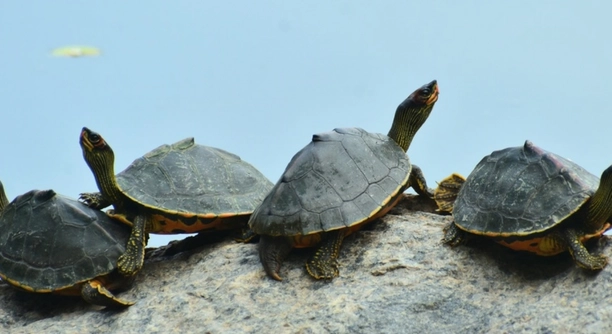
If you are considering getting an Indian roofed tortoise, it’s important to know where to find a healthy and reliable source. These turtles are unique pets and require specific care, making it crucial to buy them from trusted sellers.
The best places to buy an Indian roofed tortoise include reputable online stores and physical pet shops with good reviews. Ensure the seller offers proper care guidelines and a healthy environment for the tortoise. Researching beforehand will help you choose a trustworthy source.
There are several options available for purchasing an Indian roofed tortoise, whether online or in-store. Knowing where to look ensures a smooth process in finding the right one.
Why Choosing the Right Seller Matters
When buying an Indian roofed tortoise, selecting the right seller is crucial for your pet’s health and well-being. Whether you choose an online store or a physical pet shop, you must ensure that the seller has experience with exotic pets and offers proper care instructions. Tortoises are sensitive creatures that require specific environments to thrive, so it’s essential to know that the seller is reputable and knowledgeable. Also, you want to be sure the tortoise was bred responsibly, not captured from the wild. A responsible breeder will always provide healthy animals raised in suitable conditions. Ensuring the tortoise is healthy and cared for before purchase guarantees you’ll have a happy and thriving pet.
A reliable seller will offer you detailed information about the tortoise’s care, diet, and habitat. This helps you prepare properly for your new pet’s arrival. Proper preparation will ensure a smooth transition to its new home.
Choosing a trusted seller also reduces the chances of receiving an unhealthy tortoise. Reputable sellers are transparent about the conditions in which they breed their animals. This level of honesty provides peace of mind, knowing you are getting a healthy pet. Always research the seller and read reviews before making a decision. If possible, visit the store in person to assess the conditions firsthand.
Online vs. In-Store Purchases
Both online and in-store purchases have their pros and cons when it comes to buying an Indian roofed tortoise.
Online retailers usually offer a wider selection and can ship directly to your door. However, this limits your ability to inspect the tortoise and assess its condition in person. Make sure you only buy from well-reviewed and established sites that specialize in reptiles. It’s also important to verify that the online retailer offers a clear return or health guarantee.
Buying in-store allows you to see the tortoise before making the purchase, giving you a chance to check its health, environment, and overall condition. Many pet stores also offer additional services like habitat setup and advice on care. However, in-store selection may be more limited compared to online options. Whether you choose online or in-store, always prioritize the tortoise’s health and the credibility of the seller.
How to Spot a Healthy Indian Roofed Tortoise
A healthy Indian roofed tortoise should have clear, bright eyes and smooth, unblemished skin. Check for any signs of respiratory issues, such as wheezing or labored breathing. Healthy tortoises are active, and their shell should be firm and free from cracks or soft spots.
You should also observe the tortoise’s behavior. It should be alert and responsive, not lethargic or overly passive. Pay attention to how it reacts to its environment and if it moves easily. A tortoise that hides excessively or shows signs of discomfort may not be in the best health. Always make sure the seller provides a health guarantee or documentation to verify the tortoise’s condition before making a purchase.
Inspect the tortoise’s shell for any signs of fungus or parasites, which can be common in poorly kept environments. The shell should be smooth, dry, and have no soft spots, as this could indicate malnutrition or illness. A healthy tortoise’s claws should be strong and well-formed. If the tortoise’s claws appear abnormal, it may be a sign of poor health or improper care.
The Importance of Proper Habitat Setup
Before bringing your Indian roofed tortoise home, you need to ensure its new environment is ready. The habitat should be spacious, allowing the tortoise to move freely. A proper setup includes the right lighting, temperature, humidity, and substrate. The tank or enclosure should mimic the tortoise’s natural environment as closely as possible.
Heating and lighting are critical for the tortoise’s health. These animals require a heat source to regulate their body temperature and a UVB light for proper calcium absorption. If the temperature is too low, the tortoise may become inactive and more susceptible to illness. Similarly, if humidity levels are not balanced, it can lead to skin problems or dehydration.
The substrate should be easy to clean and comfortable for the tortoise to burrow into. Choose natural materials like coconut fiber or a mixture of soil and sand. Avoid using cedar or pine wood chips, as these can be toxic. A well-maintained habitat plays a significant role in keeping your tortoise healthy and happy.
How to Care for an Indian Roofed Tortoise
Caring for an Indian roofed tortoise involves maintaining a balanced diet, proper habitat, and regular health checks. They need a variety of greens, such as dandelion leaves, collard greens, and some fruits. Avoid feeding them too many sugary foods.
Make sure the tortoise has access to fresh water daily and monitor its hydration. Keep the habitat clean to prevent any buildup of waste that could affect the tortoise’s health. Provide a small water dish where the tortoise can soak to help with hydration. Regular cleaning and maintaining the environment are key.
Regular health checks should be part of your routine. Ensure the tortoise’s eyes are clear, its shell is healthy, and there are no signs of illness or infection. A healthy tortoise should also be active and move easily.
Common Mistakes When Buying a Tortoise
One common mistake is not researching the tortoise’s specific needs before purchasing. It’s important to understand their diet, environment, and care requirements. Without this knowledge, you may struggle to meet the tortoise’s needs.
Another mistake is buying from untrusted sellers. Always ensure the seller provides a health guarantee and that the tortoise has been bred in proper conditions. Purchasing from a reputable source ensures you are getting a healthy animal and helps prevent future problems.
Understanding Tortoise Lifespan
An Indian roofed tortoise can live for decades with proper care. Their lifespan ranges from 30 to 50 years, depending on their health and environment. This makes them long-term companions, requiring commitment to their well-being.
FAQ
What is the best temperature for an Indian roofed tortoise?
Indian roofed tortoises thrive in temperatures between 80-90°F (27-32°C). They require a warm basking area where the temperature can be higher, around 95°F (35°C), to help regulate their body heat. At night, the temperature should drop slightly to about 70°F (21°C). Maintaining these temperatures is crucial for their digestion and overall health. Using a heat lamp or ceramic heater can help maintain a warm environment. Always monitor the temperature with a reliable thermometer.
What should I feed my Indian roofed tortoise?
An Indian roofed tortoise’s diet mainly consists of leafy greens, such as dandelion greens, collard greens, and mustard greens. You can also feed them other vegetables like carrots, squash, and bell peppers. Occasionally, you can offer small amounts of fruits like strawberries or melon, but it should not be a regular part of their diet. Protein sources should be limited, as they are primarily herbivores. Ensure that their food is pesticide-free and cut into appropriate sizes for easy consumption. Also, provide a calcium supplement to support shell health.
Can Indian roofed tortoises live in groups?
While Indian roofed tortoises can live in groups, it’s important to provide enough space to prevent territorial aggression. If you plan on housing multiple tortoises together, make sure the enclosure is large enough for each to have its own space. Watch for signs of aggression, such as biting or chasing, and separate them if necessary. It’s also crucial to ensure that they all have access to food, water, and basking areas. Overcrowding can lead to stress and health problems.
Do Indian roofed tortoises need UVB light?
Yes, UVB light is essential for Indian roofed tortoises. They require exposure to UVB rays to synthesize vitamin D3, which is necessary for calcium absorption. Without proper UVB lighting, the tortoise can develop shell deformities and metabolic bone disease. Ensure that the UVB light is positioned correctly, about 12-18 inches above the basking area. Replace the UVB bulb every 6-12 months, even if it still appears to be working, as its effectiveness diminishes over time.
How often should I clean my tortoise’s habitat?
The tortoise’s habitat should be cleaned regularly to ensure a healthy environment. Spot clean daily by removing any leftover food, waste, or soiled substrate. A full cleaning should be done once a week. This includes washing the tank, replacing the substrate, and cleaning all accessories like water bowls and basking rocks. A clean environment helps prevent bacterial growth and diseases, keeping your tortoise healthy.
How much space does an Indian roofed tortoise need?
An Indian roofed tortoise requires a spacious enclosure, ideally at least 4×8 feet for an adult. A larger space is always better as it allows for more room to move and explore. The enclosure should include a basking area, a cool side, and space to hide. A larger habitat also helps maintain stable temperatures and humidity levels, ensuring your tortoise stays healthy. If you plan on housing more than one tortoise, you’ll need an even larger space to prevent stress and territorial issues.
Can I take my tortoise outside?
Yes, you can take your Indian roofed tortoise outside, but only if the weather is appropriate. They enjoy sunlight and can bask outside on warm, sunny days. However, make sure the area is safe and free of predators. Always supervise them to prevent escape or injury. If you live in an area with colder temperatures, it’s important to bring your tortoise inside during the winter months as they cannot survive in freezing temperatures. Be mindful of the environment and the tortoise’s needs before allowing them to roam outside.
How do I know if my tortoise is sick?
Signs of illness in an Indian roofed tortoise include lethargy, loss of appetite, abnormal breathing, swelling, discharge from the eyes or nose, and shell discoloration or damage. If you notice any of these symptoms, it’s important to take your tortoise to a veterinarian who specializes in reptiles. Tortoises often hide their symptoms, so it’s crucial to regularly observe them for any changes in behavior or appearance. Early detection and treatment can help prevent more serious health problems.
What size tank do I need for a baby Indian roofed tortoise?
For a baby Indian roofed tortoise, a tank size of at least 2×3 feet is recommended. As they grow, you’ll need to upgrade the tank size to accommodate their increasing size. Ensure the tank has areas for basking, hiding, and cooling down. The habitat should also have proper lighting, temperature control, and humidity regulation. Keep in mind that baby tortoises are more susceptible to stress and need a stable, secure environment. Monitoring their health and ensuring they have adequate space will help them thrive.
Can I use a glass tank for my tortoise?
A glass tank can work for an Indian roofed tortoise, but it has its limitations. Glass tanks are usually not well-ventilated, and this can lead to humidity buildup, which can cause respiratory issues. If you choose a glass tank, make sure it is large enough to allow proper air circulation and temperature control. It’s also important to maintain humidity levels appropriate for the tortoise. Alternatively, you can use a large plastic container or wooden enclosure that provides better ventilation. Always ensure that your tortoise has enough space to move around freely.
Final Thoughts
Choosing the right place to buy an Indian roofed tortoise is essential for their health and well-being. Whether you choose to purchase one online or in-store, it’s important to do thorough research. Finding a reputable seller ensures that the tortoise has been well cared for before reaching your home. Make sure the seller provides enough information about the tortoise’s health, age, and care needs. It’s also helpful to ask about any guarantees or return policies, especially if you’re buying online. By purchasing from a trusted source, you can avoid potential health issues and ensure that the tortoise is getting the proper care.
Consider your own ability to care for the tortoise as well. Indian roofed tortoises require specific conditions, such as proper lighting, temperature, and diet. Before committing to a purchase, make sure you have the right setup in place to meet their needs. The tortoise will depend on you for food, shelter, and health care, so it’s important to evaluate if you’re ready for the responsibility. Make sure you can dedicate enough time and resources to providing a healthy environment for your new pet.
In the end, the goal is to find a healthy, happy tortoise and provide the best care possible. With the right preparation and careful consideration, an Indian roofed tortoise can be a rewarding pet. Whether you choose to buy from a local pet store, a breeder, or an online seller, make sure to prioritize the health of the tortoise and the quality of the seller. This will ensure that your new pet has the best start and can live a long, healthy life in your care.

Hello,
If you enjoy the content that we create, please consider saying a "Thank You!" by leaving a tip.
Every little bit helps us continue crafting quality advice that supports the health, happiness, and well-being of pets around the world, for pets of all shapes, sizes, and species.
We really appreciate the kindness and support that you show us!