
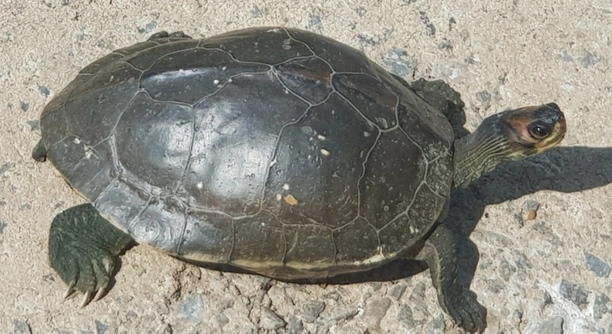
Indian Roofed Tortoises can be seen climbing walls or attempting to do so, which is a behavior often linked to their natural instincts and environmental factors. Understanding why they do this is essential for providing the best care.
The primary reason why your Indian Roofed Tortoise may be climbing walls is due to a mix of curiosity and instinct. Tortoises are naturally inclined to explore their environment, and vertical surfaces may appear as an intriguing challenge or pathway to them.
Addressing this behavior is important for your tortoise’s well-being. We’ll explore what causes it and how you can manage it effectively.
Why Do Indian Roofed Tortoises Climb?
Climbing is a natural behavior for many animals, and Indian Roofed Tortoises are no exception. In the wild, they often explore their environment in search of food, shelter, or mates. When housed in captivity, they might display similar behaviors, such as attempting to climb walls, which can often be attributed to boredom, stress, or curiosity. Their instinct to explore is strong, and when they encounter walls or obstacles, they may view them as something to overcome. Additionally, a lack of enrichment in their environment can lead them to focus on climbing as an outlet for their energy.
Tortoises are known for their inquisitive nature, and they will explore their environment when they feel the need. If they are housed in an area where climbing is possible, they may try to scale walls or objects out of instinct.
Keeping their environment engaging can reduce climbing behavior. Adding hiding spots, climbing structures, and other enrichment items can keep them mentally stimulated and satisfied.
How to Prevent Climbing
To prevent climbing behavior in your tortoise, it’s important to provide them with a suitable enclosure. Their space should be large enough to move around without feeling confined, which can reduce stress and the urge to climb. Tortoises that feel safe and secure in their environment are less likely to seek out ways to escape.
Ensuring your tortoise has a well-maintained, suitable enclosure can help address climbing. Choose a habitat that mimics their natural surroundings, providing them with a place to burrow, explore, and rest. A spacious tank with secure walls can help keep them from trying to climb. Additionally, using materials like glass or smooth plastic can make it more difficult for them to scale the walls. Adding climbing toys, rocks, or logs to the enclosure can also redirect their focus from the walls.
Enclosure Size and Setup
If the enclosure is too small, your tortoise might feel confined and resort to climbing. It’s essential that the space allows enough room for exploration. A cramped environment can lead to stress, which encourages climbing behaviors as they attempt to break free.
To provide adequate space, your tortoise’s enclosure should be large enough for them to roam comfortably. A general guideline is to have a space at least four times the size of your tortoise’s shell. This ensures they have room to move, stretch, and explore without feeling trapped. The setup should include areas to hide, bask, and feed. The more variety in their environment, the less likely they’ll feel the need to escape.
Adding a safe, secure area for hiding and resting will give your tortoise a sense of safety. If they feel secure in their space, they’re less likely to try climbing out of it.
Environmental Enrichment
Lack of environmental enrichment can lead to climbing. Tortoises need mental and physical stimulation to stay healthy and content. Without enough engaging activities, they may focus on escaping. Offering enrichment like plants, logs, or toys can keep them occupied.
Adding different textures, hides, and obstacles encourages natural behaviors. A shallow water dish, small logs for climbing, and plants to hide under can keep them busy. Rotating their toys or introducing new items regularly can maintain their interest. Without these elements, your tortoise may try to climb the walls out of frustration.
Investing in a varied habitat with different features provides a better living experience for your tortoise. By adding visual and physical stimulation, they’ll feel less inclined to climb and more satisfied in their environment.
Temperature and Humidity Levels
Improper temperature or humidity levels can also cause stress in your tortoise. If they feel uncomfortable in their habitat, they may try climbing as a way to escape. A proper temperature range helps them feel secure.
Maintaining the right temperature and humidity is key. Ensure there are warm and cooler areas within the enclosure, as well as a humid environment that mimics their natural habitat. This promotes comfort and reduces climbing behaviors that occur due to discomfort. Regularly monitor these conditions to keep your tortoise at ease.
Diet and Nutrition
A poor diet can contribute to climbing behavior. When your tortoise isn’t getting the nutrients it needs, it may become stressed or agitated, prompting it to climb. Offering a balanced, varied diet can improve their overall health and behavior.
A diet rich in fiber, calcium, and vitamins is essential. This supports strong bones and a healthy digestive system, reducing irritability. Fresh vegetables, fruits, and grasses should be part of their daily intake. Proper nutrition ensures they feel their best, which can help reduce stress-related behaviors, including climbing.
Stress Factors
Stress can play a significant role in climbing. Overcrowding, loud noises, or sudden changes in their environment may increase anxiety, leading to more climbing attempts. Identifying and reducing stressors can be crucial.
Remove any sources of stress in their environment. Keep the enclosure in a quiet, calm area with minimal disturbances. If your tortoise is housed with others, make sure there’s enough space for each one to have its own territory. Addressing these factors can help them feel safe and lower the chances of climbing.
FAQ
Why does my Indian Roofed Tortoise try to climb the walls of its enclosure?
Tortoises are naturally curious creatures and may try climbing walls due to their instinct to explore. If they feel their space is limited or they are bored, they may try to climb in search of something new. A lack of environmental enrichment or too small of an enclosure can also contribute to this behavior.
How can I stop my tortoise from climbing?
To reduce climbing behavior, ensure the enclosure is large enough and enriched with various hiding spots, rocks, and safe obstacles. Regularly change up the environment by adding new items, which will keep your tortoise mentally stimulated and less likely to climb.
Can climbing be a sign of stress?
Yes, stress can lead to climbing. If your tortoise feels threatened, uncomfortable, or confined, they may try to escape. Overcrowding, improper temperature, or noise can increase stress levels, which may cause climbing. Identifying and removing stressors can help reduce this behavior.
How important is the temperature for my tortoise’s well-being?
Temperature plays a significant role in your tortoise’s comfort. A warm area allows them to bask and digest, while cooler areas offer a resting space. If your tortoise isn’t able to regulate its body temperature, it may try to climb the walls to find a better spot.
What’s the ideal size for my tortoise’s enclosure?
The enclosure should be at least four times the size of your tortoise’s shell. This ensures there’s enough room for movement, exploration, and rest. A larger space can reduce stress and prevent climbing behaviors. Add features like hides and ramps to encourage natural movement.
Can I add plants or objects to stop climbing?
Yes, adding plants, logs, and rocks to the enclosure will create a more stimulating environment. These additions encourage natural behavior and help prevent boredom. It’s important to choose non-toxic plants and sturdy materials to ensure safety and avoid unwanted climbing due to restlessness.
Is climbing a sign that my tortoise wants to escape?
While climbing could suggest your tortoise is trying to escape, it’s more often a sign of boredom, curiosity, or a need for mental stimulation. If the enclosure is too small or lacks proper enrichment, your tortoise may try climbing to find something new or interesting.
Do I need to keep my tortoise’s enclosure covered?
Covering the top of the enclosure can prevent your tortoise from climbing out, especially if they’re determined. However, it’s important to still allow proper ventilation. A cover ensures that your tortoise remains safe within the habitat, but it should not feel too enclosed or restrictive.
What are the signs of a stressed tortoise?
Stress in tortoises can manifest in various ways, including excessive climbing, loss of appetite, or aggression. If your tortoise shows signs of stress, consider adjusting their environment, temperature, humidity, or diet. Ensuring a quiet and secure space will help them feel more comfortable.
How can I tell if my tortoise is comfortable in its habitat?
A comfortable tortoise will be active, eating well, and spending time in different areas of its enclosure. If your tortoise is regularly basking, moving around, and using hides, they are likely content. A lack of climbing behavior often indicates a secure and happy tortoise.
What temperature should I maintain for my Indian Roofed Tortoise?
Aim for a basking spot around 90°F to 95°F (32°C to 35°C) and a cooler side around 75°F to 80°F (24°C to 27°C). This range allows your tortoise to regulate its body temperature properly. A gradient of temperatures in the enclosure ensures they have the right environment to stay healthy.
Are there any specific plants I should add to my tortoise’s habitat?
Non-toxic plants like dandelions, clover, and hibiscus are excellent choices for Indian Roofed Tortoises. These plants offer a source of food and enrichment. Avoid plants that are toxic to tortoises, like azaleas, lilies, and ivy, as they can be harmful.
How can I tell if my tortoise is trying to climb because it’s hungry?
While climbing can be due to curiosity or stress, sometimes tortoises climb when they’re seeking food. If your tortoise is climbing more around feeding time, try offering a variety of fresh greens and other tortoise-safe foods. Providing food in different spots of the enclosure might help reduce climbing.
Should I consider a larger enclosure if my tortoise continues to climb?
If your tortoise keeps climbing despite environmental enrichment, it might be a sign that the enclosure is too small. Upgrading to a larger enclosure can provide more space to roam, which may reduce climbing and allow your tortoise to feel more secure in its environment.
Is it okay for my tortoise to climb on rocks or logs in its enclosure?
Yes, it’s perfectly fine for your tortoise to climb on rocks and logs as long as they are safe and stable. Climbing helps exercise their muscles and provides mental stimulation. Just ensure the surfaces are smooth enough to avoid injury and that they are securely placed.
Can I place my tortoise outdoors to stop it from climbing?
Providing an outdoor habitat can give your tortoise more space to roam and reduce climbing behaviors. However, ensure the outdoor environment is secure, safe, and free from predators. Outdoor enclosures should be escape-proof, and you should provide shade and a proper temperature range.
How can I ensure my tortoise’s diet is balanced?
Provide a varied diet that includes leafy greens, grasses, and occasional fruits. Calcium and vitamin D3 are essential for bone health. A proper diet will help keep your tortoise healthy and reduce stress, which could lead to climbing. Avoid feeding them too many sugary or fatty foods.
Do I need to worry about my tortoise climbing too much?
While climbing occasionally is normal, excessive climbing might indicate an underlying issue, such as stress, boredom, or discomfort. Monitor your tortoise’s behavior closely and make necessary changes to their environment. If climbing persists, it could be helpful to consult with a veterinarian to ensure everything is in order.
Final Thoughts
Understanding why your Indian Roofed Tortoise tries to climb the walls of its enclosure is important for providing the best care. Climbing behavior can often be attributed to curiosity, boredom, or even a lack of space. Tortoises are naturally curious creatures, and in an enclosed environment, they may try to explore beyond their habitat, especially if they feel confined. It’s essential to provide a large enough enclosure with plenty of enrichment to keep them engaged and comfortable. If you notice climbing happening more frequently, it’s worth reassessing their living space, temperature, and overall environment.
Enriching your tortoise’s habitat is one of the best ways to reduce climbing. Adding rocks, logs, and plants not only makes the space more visually appealing but also encourages natural behaviors. This kind of environment provides stimulation and exercise, which helps alleviate boredom. Regularly changing the setup within the enclosure can also keep your tortoise interested and less likely to try climbing. Additionally, maintaining the right temperature gradient is crucial for your tortoise’s overall health, as improper heat can lead to discomfort and stress, making them more likely to attempt climbing.
In the end, a tortoise’s behavior is often a reflection of its environment. Addressing climbing behaviors is about understanding their natural instincts and needs. By offering a spacious, enriched habitat with proper temperature control, you can ensure your tortoise stays happy and healthy. Keep an eye on how they behave, and make small changes to improve their living space. If climbing persists despite making adjustments, a veterinarian can provide more specific advice to address the issue.

Hello,
If you enjoy the content that we create, please consider saying a "Thank You!" by leaving a tip.
Every little bit helps us continue crafting quality advice that supports the health, happiness, and well-being of pets around the world, for pets of all shapes, sizes, and species.
We really appreciate the kindness and support that you show us!