
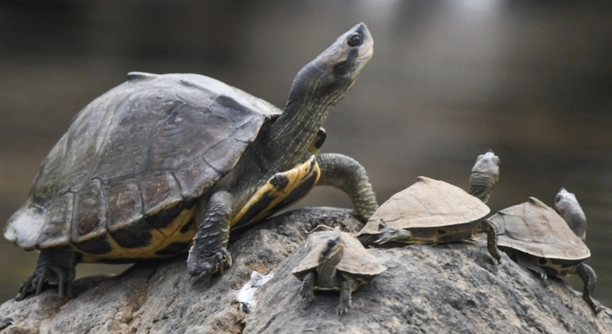
Indian roofed tortoises are fascinating pets, and providing them with the right enclosure heating is essential for their health and well-being. Choosing the proper heating setup can ensure they stay warm and comfortable throughout the year.
The best heating options for Indian roofed tortoises include under-tank heaters, ceramic heat emitters, heat mats, and heat bulbs, among others. Each has unique advantages that cater to different enclosure types, ensuring the tortoises’ environmental needs are met effectively.
Learning about the different types of heating methods available will help you select the best option for your tortoise. Understanding the pros and cons of each can enhance their comfort and quality of life.
Under-Tank Heaters
Under-tank heaters are one of the most common and reliable heating methods for tortoises. They are placed directly under the enclosure floor, warming the substrate. This type of heater is easy to install and provides consistent warmth throughout the day. It helps mimic the natural environment of tortoises, offering a more stable temperature range. By heating from below, it also creates a more natural heat gradient, which is important for their comfort. The warmth from the ground allows your tortoise to regulate its body temperature effectively. Many models come with built-in thermostats for better control over the temperature.
It’s crucial to monitor the temperature and avoid overheating, as it can make the enclosure uncomfortable for your pet.
Under-tank heaters are an efficient and low-maintenance heating option. If installed correctly, they can provide a consistent, safe heat source. Be sure to choose the right wattage for your tank size to avoid damaging the substrate or your pet’s health.
Ceramic Heat Emitters
Ceramic heat emitters are another popular choice. Unlike heat lamps, these heaters don’t produce visible light, which means they won’t disrupt your tortoise’s natural day-night cycle. Ceramic heat emitters are great for providing steady warmth during both day and night. They are ideal for creating a stable environment in cooler climates or during winter months when the temperatures drop. However, they can become very hot, so it’s important to place them at a safe distance from the tortoise.
Though ceramic heat emitters are reliable, they can be a bit more expensive upfront. Their long lifespan and energy efficiency, however, make them a worthwhile investment. Additionally, their durability means they won’t need to be replaced as often, making them cost-effective in the long run.
These emitters are perfect for creating a warm, consistent environment for your tortoise. Just ensure that the heat doesn’t get too intense and always monitor the temperature levels for safety.
Heat Mats
Heat mats are an effective and affordable way to provide warmth to your tortoise’s enclosure. These mats are typically placed under the tank or beneath the substrate to ensure heat is distributed evenly. They help maintain a steady temperature, especially during colder months. Heat mats are easy to install and are energy-efficient, making them a good choice for owners who want a cost-effective solution for heating.
While they are reliable, heat mats can be less effective in larger enclosures. If used incorrectly, they may not distribute the heat as well, leaving some areas cooler than others. It’s essential to monitor the temperature and make sure the mat doesn’t overheat, as this could cause burns.
A heat mat can be paired with a thermostat to help regulate temperature and prevent overheating. This option is ideal for smaller enclosures or tanks where direct heat from above might be too intense. As long as the mat is placed correctly and monitored, it’s a safe choice for your tortoise.
Heat Bulbs
Heat bulbs are another common method for heating your tortoise’s enclosure. These bulbs provide a combination of heat and light, making them useful for daytime heating. They are particularly beneficial for providing a basking spot where your tortoise can warm up. Depending on the wattage, heat bulbs can generate high temperatures, so it’s essential to keep them at the proper distance from your tortoise.
While heat bulbs are highly effective for daytime warmth, they may not be suitable for nighttime use. Most heat bulbs emit visible light, which can disrupt your tortoise’s natural sleep cycle. You can avoid this issue by choosing a heat bulb designed specifically for nighttime use or switching to ceramic heat emitters after dark.
When using heat bulbs, it’s important to create a proper heat gradient within the enclosure, with a warm basking spot and a cooler area for your tortoise to retreat to. Additionally, having a reliable thermostat to regulate the temperature will help prevent overheating and ensure a safe environment for your tortoise.
Radiant Heaters
Radiant heaters are great for providing consistent, even heat across a larger area. They radiate warmth directly onto your tortoise, mimicking the natural sun’s heat. This makes them ideal for creating basking areas within the enclosure. They are usually mounted on the side or ceiling of the tank.
These heaters can be more expensive, but they provide a more natural heat source that doesn’t dry out the air. However, they can be harder to position correctly, so it’s important to test the setup before final installation.
Make sure the heater is not too close to your tortoise to avoid overheating. Proper placement will create a warm area for your tortoise to bask while ensuring there’s a cooler spot for them to retreat to when they need it.
Heat Lamps
Heat lamps are commonly used to create warm basking spots in a tortoise enclosure. These lamps provide both heat and light, making them ideal for daytime heating. They are widely available and can be easily adjusted to control the temperature.
These lamps are perfect for providing a focused heat source but may not be the best option for nighttime heating due to the light they emit. If you use a heat lamp, consider using a red or blue bulb for nighttime use, as they emit less visible light.
Infrared Heat Emitters
Infrared heat emitters are another option for keeping your tortoise warm. They emit heat without visible light, which makes them suitable for both daytime and nighttime use. These emitters provide a gentle, constant heat that’s more natural for your tortoise’s needs. They’re safe to use and effective for creating a warm environment.
FAQ
What temperature should I maintain for my Indian roofed tortoise?
Indian roofed tortoises thrive in temperatures between 80°F and 90°F during the day. The basking area should be slightly warmer, around 95°F to 100°F, to help them regulate their body temperature. At night, the temperature can drop to around 70°F to 75°F. It’s important to create a gradient with warm and cooler spots in the enclosure to allow your tortoise to move to an area where it feels comfortable. Keeping the environment stable helps them maintain their health and activity levels.
Can I use a heat lamp at night for my tortoise?
Heat lamps are generally not suitable for nighttime use because they emit visible light, which can disrupt your tortoise’s natural sleep cycle. However, there are special heat lamps designed for night use, such as red or blue bulbs, which emit less visible light. Alternatively, ceramic heat emitters are a great option as they provide heat without light and won’t interfere with your tortoise’s rest.
How do I know if my tortoise is too hot or too cold?
Signs of overheating in tortoises include excessive lethargy, mouth-breathing, and avoiding the basking area. They may also become more irritable and exhibit reduced activity levels. On the other hand, if your tortoise is too cold, it may appear sluggish, have difficulty moving, or spend more time in hiding. A good way to monitor the temperature is by using a thermometer to ensure that the heating devices are maintaining the right range in different parts of the enclosure.
Can I use a heat mat with other heating methods?
Yes, heat mats can be used alongside other heating methods like heat lamps, ceramic emitters, or radiant heaters. However, it’s important to make sure that the heat mat is not the sole heat source, as it can only warm the substrate and not the air around your tortoise. Combining methods can help you create a more stable and varied temperature gradient that will suit your tortoise’s needs.
What should I do if my tortoise is not basking?
If your tortoise isn’t basking, it could be a sign that the basking area is too hot, too cold, or not inviting enough. Check the temperature in the basking zone to ensure it’s in the correct range (95°F to 100°F). If the temperature is fine, make sure the basking area is properly lit and free from any obstructions. Sometimes, tortoises avoid basking if they feel stressed or uncomfortable, so consider if other factors like noise, placement, or the presence of other animals may be affecting its behavior.
Is it safe to use a thermostat with heating devices?
Yes, using a thermostat with heating devices like heat lamps, mats, or emitters is highly recommended. A thermostat helps maintain a consistent temperature in the enclosure, preventing overheating or underheating. It acts as a safety feature, ensuring that the temperature stays within a safe range for your tortoise. It’s essential to use a reliable thermostat, especially when combining multiple heating sources.
Do I need to use a humidity source for my tortoise’s enclosure?
Humidity is important for tortoises but not as much as it is for tropical species. Indian roofed tortoises need moderate humidity levels between 50% and 60%. Too much humidity can lead to respiratory issues or skin problems, while too little can cause dehydration. To maintain the right humidity, you can use a shallow water dish and spray the enclosure occasionally, ensuring the environment remains comfortable for your tortoise.
How often should I change the heating setup in my tortoise’s enclosure?
Your heating setup should be checked regularly, but there’s no need to change it unless there’s a problem. Ensure that the heating devices are functioning correctly, and the temperature remains consistent. If a heating device stops working, is damaged, or becomes too inefficient, it’s time for a replacement. Always replace any equipment that shows signs of wear or malfunction to keep your tortoise safe.
Can I use natural sunlight to heat my tortoise’s enclosure?
Natural sunlight can be a great way to provide additional warmth for your tortoise, but it’s not always reliable. Direct sunlight can quickly raise the temperature in an enclosure, but it may not provide enough heat during cloudy days or colder months. You can use a combination of natural sunlight and artificial heating methods to maintain a stable temperature throughout the year.
What is the best heating method for a large tortoise enclosure?
For a larger enclosure, a combination of heating methods is usually the best approach. Radiant heaters and ceramic heat emitters are good options for providing consistent warmth, while heat lamps can create focused basking spots. Using a thermostat to control these devices will help maintain a balanced temperature throughout the enclosure. Consider creating multiple heat zones to give your tortoise various options for temperature regulation.
How can I monitor the temperature in my tortoise’s enclosure?
Using thermometers at various locations within the enclosure is the best way to monitor temperature. Place one near the basking area and another in a cooler part of the tank. This allows you to check if the heat gradient is correct. Digital thermometers with probes are more accurate and allow for easier monitoring. Some thermostats come with temperature probes that can also be used to control the heating devices.
Final Thoughts
Choosing the right heating method for your Indian roofed tortoise is crucial to their overall health and well-being. A proper heating setup helps replicate their natural environment, providing the warmth they need to stay active, digest food, and stay healthy. While there are several options available, the key is to create a stable temperature gradient within the enclosure, offering both warm and cool areas. This allows your tortoise to regulate its body temperature naturally, just as it would in the wild.
When selecting heating devices, consider factors such as your tortoise’s specific needs, the size of the enclosure, and the climate you live in. For example, under-tank heaters and heat mats are great for smaller enclosures, while radiant heaters and ceramic heat emitters work well for larger setups. Be mindful of the temperature range you want to maintain and monitor it regularly. Investing in a reliable thermostat will help ensure the temperature stays within the safe zone, preventing overheating or underheating.
In the end, providing your tortoise with the proper heating system is about balance. You don’t need to complicate things with too many devices, but using the right combination can help keep your tortoise comfortable and healthy. With regular monitoring and a well-planned heating setup, you can ensure your Indian roofed tortoise thrives in its enclosure, feeling right at home in the warmth you’ve provided.

Hello,
If you enjoy the content that we create, please consider saying a "Thank You!" by leaving a tip.
Every little bit helps us continue crafting quality advice that supports the health, happiness, and well-being of pets around the world, for pets of all shapes, sizes, and species.
We really appreciate the kindness and support that you show us!