
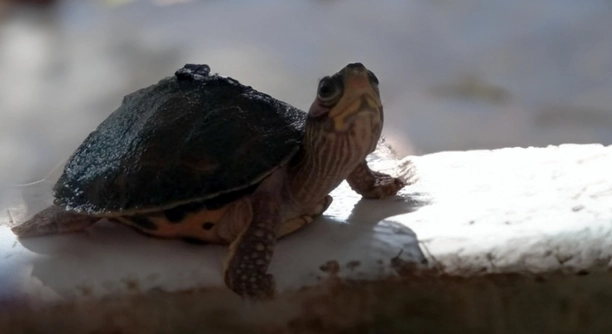
Has your Indian Roofed Tortoise developed an odd obsession with a particular spot in its tank? Many tortoises show specific behaviors, such as fixating on one area, that can puzzle their owners. Understanding these actions can help you improve their environment.
The most common reason behind this behavior is a combination of environmental factors, such as temperature, lighting, or a preferred hiding spot. Tortoises are territorial and may return to locations they find comforting or secure.
This behavior is not usually a cause for concern, but understanding the reasons behind it can enhance your tortoise’s living conditions. Adjustments to its habitat can help keep it happy and healthy.
The Role of Temperature and Lighting in Your Tortoise’s Behavior
One of the primary factors affecting your Indian Roofed Tortoise’s fixation on a certain spot is temperature and lighting. Tortoises are cold-blooded creatures, meaning they rely heavily on their environment to regulate body temperature. If a particular area in the tank is warmer or has better lighting, it will naturally gravitate toward that spot. The ideal temperature for your tortoise should range between 85°F to 95°F during the day, with a cooler area around 75°F at night. When it finds a spot that provides the right warmth or light, your tortoise will spend more time there to stay comfortable.
It’s crucial to monitor the temperature throughout the tank and ensure there’s a balance. Too much heat in one corner can stress your tortoise or lead to dehydration.
To keep your tortoise healthy, make sure the tank has a temperature gradient, giving it access to both warmer and cooler areas. A UVB light is equally important for its shell health. Your tortoise may be choosing this spot because it offers a sense of security along with the perfect temperature for basking.
Comfort and Security: The Hidden Factors
Another reason your tortoise might stay in one spot is due to comfort and security. Like many reptiles, your tortoise may find a particular location that feels safe, which makes it feel less vulnerable to stressors. Tortoises are known to enjoy hiding or nesting, which could explain their attachment to a specific area.
Sometimes, providing more hiding spots or adjustments to the tank setup can help balance this behavior and give your tortoise more choices for comfort. It’s a simple way to improve its living space.
Tortoise Behavior and Tank Setup
If your tortoise consistently gravitates to one spot, it could be due to how its tank is set up. Tortoises are creatures of habit and will often choose a spot that provides them with both comfort and security. Check if the area is free from obstructions and offers a clear, accessible space.
Ensure that the tank has a varied layout, with enough places for your tortoise to explore, hide, and bask. A simple rearrangement of decorations or substrates can encourage it to roam around instead of staying fixated on one spot. Small changes, like adding hiding places, can create a more stimulating environment.
Another possible factor is the placement of food and water bowls. If they are near a particular spot, your tortoise may simply be attracted to that area. Keeping the tank clean and organized will also help, as a cluttered space can cause stress and drive your tortoise to seek out the one area it feels most comfortable in.
The Importance of Proper Substrate
The type of substrate in your tortoise’s tank can influence its behavior. Some substrates retain moisture better than others, which could lead to your tortoise seeking out a spot that feels just right for its needs. If your tortoise is focused on one area, consider whether the texture or moisture level is better there.
Sand, coconut fiber, or even a mix of soil and moss might appeal to your tortoise more than other materials. This could explain its tendency to rest or burrow in that specific spot. By observing its preferences and adjusting the substrate, you can make your tortoise more comfortable and encourage it to explore other parts of the tank.
Tortoise Social Behavior
Sometimes, your tortoise’s fixation on one spot may be linked to its social behavior. Even though tortoises are solitary creatures, they still have the instinct to mark territories. If there is an object or corner in the tank that feels like its “space,” your tortoise may simply feel drawn to that spot.
If the spot is near a consistent food or water source, this behavior may be strengthened. Animals often return to locations that offer food, safety, or comfort. Try relocating resources like food bowls to see if it encourages more exploration.
Stress and Anxiety
Stress can also cause a tortoise to fixate on one spot. Changes in the environment, such as loud noises or unfamiliar objects, can make them feel anxious. In such cases, the tortoise may stay in one spot to seek comfort or avoid potential threats.
To reduce stress, ensure that your tortoise’s tank remains calm and consistent. Avoid sudden changes and keep the environment peaceful. Consider offering soft background noise, such as a low hum, to help calm your tortoise and encourage more movement throughout the tank.
FAQ
Why does my Indian Roofed Tortoise spend so much time in one spot?
Your tortoise may be drawn to a particular spot in its tank due to comfort, warmth, or a sense of security. As reptiles, tortoises rely on their environment for temperature regulation. If a specific area offers the right balance of warmth or light, your tortoise will naturally gravitate toward it. It could also be a preferred hiding spot, giving it a sense of safety. Another reason could be that it finds this spot familiar and comforting, especially if it has associated it with food or water.
How can I stop my tortoise from fixating on one spot?
The best way to encourage your tortoise to explore other parts of its tank is by adjusting its environment. Start by ensuring the tank has a proper temperature gradient, with cooler and warmer zones. You can also rearrange the decorations, adding hiding spots or new features to stimulate curiosity. It might also help to move the food and water dishes to different areas of the tank, encouraging movement. If your tortoise still fixates, make sure the temperature, lighting, and humidity levels are just right.
Could my tortoise be bored if it stays in one spot too long?
Yes, boredom could be a factor. Tortoises need mental and physical stimulation to stay healthy and happy. If your tortoise spends too much time in one area, it may not be getting enough exercise or stimulation. To help alleviate boredom, consider adding more enrichment to the tank, such as new plants, rocks, or other objects to climb on or explore. Offering different textures in the substrate or changing the tank layout regularly can also keep things interesting.
What signs indicate that my tortoise is stressed?
Stress in a tortoise can be identified by several behaviors. If your tortoise is hiding excessively, moving erratically, or showing a lack of appetite, it might be stressed. It may also try to escape the tank or become more aggressive. Poor shell health, such as softening or discoloration, can also be a sign of stress. Pay close attention to any sudden changes in behavior, as they can signal that something in the environment is bothering your tortoise.
Can the tank’s lighting cause my tortoise to stay in one spot?
Yes, improper lighting can cause your tortoise to remain in one area. Tortoises need UVB light to synthesize vitamin D3, which is essential for shell health. If the light is too weak or placed in an area where your tortoise cannot access it properly, it may stay in one spot to bask under the warmth or light. Make sure the UVB light is positioned correctly and that your tortoise has access to both hot and cooler areas for balance.
Is it normal for my tortoise to only eat in one spot?
It’s common for tortoises to return to the same spot for food, especially if they associate that area with regular meals. However, if the tortoise refuses to eat in other areas of the tank, it could be a sign of stress, territorial behavior, or habit. Try moving the food dish to different spots to encourage your tortoise to explore. Ensure that the spot where the food is placed is clean and free from waste, as dirty areas can discourage feeding.
Can I add plants to my tortoise’s tank to keep it more active?
Yes, adding plants can be a great way to make your tortoise’s tank more interesting and encourage movement. Live plants like dandelion greens, clover, or lettuce can serve as both food and enrichment. Non-toxic plants like spider plants or ferns can add variety to the tank and give your tortoise new areas to explore. Just be cautious about the types of plants you choose, as some can be toxic to reptiles. Additionally, make sure the plants are safe for your tortoise to nibble on and easy to maintain in the tank.
How often should I clean my tortoise’s tank?
Cleaning your tortoise’s tank regularly is crucial for its health. Ideally, you should remove waste and soiled bedding every day to prevent bacteria buildup. A full tank cleaning, including changing the substrate and disinfecting the tank, should be done every 1-2 weeks, depending on the size of the tank and the number of tortoises. Keeping the environment clean will help reduce stress and ensure your tortoise has a healthy space to live and explore.
Can my tortoise’s behavior change with age?
Yes, a tortoise’s behavior can change as it grows older. Younger tortoises tend to be more active and curious, while older tortoises may become more sedentary and enjoy resting in one spot more frequently. However, if the change is sudden or drastic, it’s important to rule out other factors like stress, illness, or environmental issues. Always monitor your tortoise’s health and make sure it’s getting the proper care it needs at any age.
What is the best substrate for my Indian Roofed Tortoise?
The best substrate for your tortoise should be easy to clean, absorb moisture well, and mimic its natural habitat. Common options include coconut fiber, organic topsoil, and cypress mulch. These substrates are safe for your tortoise and allow for burrowing, which can be beneficial for its behavior and comfort. Avoid using sand or gravel, as they can cause digestive issues if ingested. Regularly check the substrate for cleanliness and replace it when necessary to keep the tank fresh and comfortable for your tortoise.
Final Thoughts
Understanding why your Indian Roofed Tortoise spends so much time in one spot can be helpful in ensuring its overall well-being. Tortoises are creatures of habit, and they tend to seek out places in their environment where they feel most comfortable and secure. Whether it’s due to temperature, lighting, or even the arrangement of objects in their tank, it’s important to recognize that this behavior is often a natural response to their surroundings. While it may seem odd or concerning at first, there are many factors to consider before jumping to conclusions about your tortoise’s behavior.
It’s essential to ensure that the tank environment is both stimulating and comfortable for your tortoise. Adjusting things like temperature gradients, lighting, and adding new hiding spots can encourage your tortoise to explore different areas of the tank. While tortoises are not typically very active compared to other animals, they still benefit from a well-balanced environment. If your tortoise is fixated on one spot due to comfort or security, try making small changes to the habitat. Adding plants, rearranging objects, or even altering the placement of the food and water bowls can motivate it to move around and explore more.
However, if your tortoise’s behavior doesn’t seem to change or if you notice other signs of stress, it might be worth investigating further. Stress, illness, or poor tank conditions could also contribute to this behavior. Keep a close eye on its overall health and make sure the tank is clean, well-lit, and at the right temperature. If problems persist, consulting with a veterinarian experienced in reptile care can help pinpoint any issues. In most cases, a few simple adjustments to the tank setup are enough to make your tortoise feel more comfortable and help it move around more freely.

Hello,
If you enjoy the content that we create, please consider saying a "Thank You!" by leaving a tip.
Every little bit helps us continue crafting quality advice that supports the health, happiness, and well-being of pets around the world, for pets of all shapes, sizes, and species.
We really appreciate the kindness and support that you show us!