
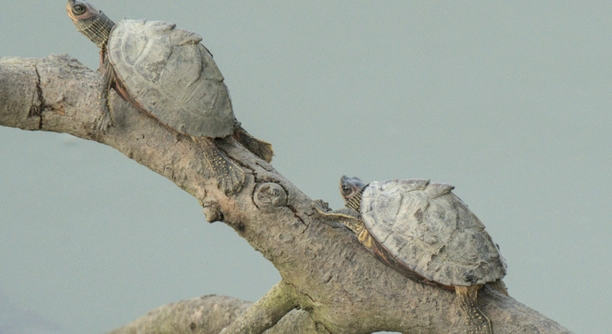
Indian Roofed Tortoises are known for their unique behaviors and interesting interactions with their environment. Understanding their ability to recognize their owners adds to the fascination of these reptiles, highlighting their intelligence and emotional capacity.
Research suggests that Indian Roofed Tortoises have the ability to recognize their owners. They may not show affection in the traditional sense, but through visual and spatial memory, they can distinguish familiar humans from strangers.
Exploring this behavior helps shed light on the cognitive capabilities of these tortoises, providing insight into their interactions with humans.
How Do Indian Roofed Tortoises Recognize People?
Indian Roofed Tortoises primarily rely on their sight and spatial memory to recognize people. While their vision is not as advanced as other animals, they can differentiate between familiar faces and new ones. Over time, they associate their owners’ actions, such as feeding and handling, with a sense of safety. This bond builds when the tortoise is consistently exposed to its owner’s presence.
In addition to visual cues, the tortoises can remember the environment they are in and the routine activities. Repetition helps strengthen the connection, allowing the tortoise to recognize the person who consistently interacts with them. Tortoises do not have the same level of emotional recognition as dogs or cats, but they can identify familiar faces.
Such recognition can be particularly noticeable when they react differently to people they know versus strangers. For instance, they may approach a familiar person when called or remain passive around new individuals. Their behavior highlights their capacity to create associations and recall experiences.
Behavioral Changes That Show Recognition
Behavioral changes, like approaching or following certain individuals, can indicate recognition. They may react more readily to familiar sounds, like a specific voice or footsteps.
Indian Roofed Tortoises may not display affection the same way other pets do, but these signs reveal that they have a sense of memory and recognition.
How Recognition Affects Their Behavior
Indian Roofed Tortoises can show noticeable changes in behavior when they recognize their owners. They often seek attention or food, which signals they have connected with someone. Recognition can also result in less stress during handling, as they become familiar with their owners’ touch.
Over time, these tortoises may even become more comfortable with certain human interactions. They may stop hiding or retreating when their owner approaches, instead choosing to stay active. Some tortoises are seen following their owners, especially when they anticipate feeding time or know that a pleasant interaction is coming. Their ability to differentiate between familiar and unfamiliar individuals adds another layer to their social behavior.
In contrast, when faced with unfamiliar people, Indian Roofed Tortoises can act more reserved or cautious. They may retreat into their shells or move away. This type of behavior is instinctive and is part of their natural defense mechanism against potential threats.
What It Means for Their Intelligence
The ability of Indian Roofed Tortoises to recognize their owners speaks to their cognitive abilities. While they are not as quick to form emotional bonds as some other pets, they can still remember key people and experiences.
Their intelligence is more rooted in memory and pattern recognition rather than emotional affection. Unlike animals that rely heavily on scent or sound, Indian Roofed Tortoises use their vision and spatial awareness to navigate their world. This unique method of recognition indicates a different type of intelligence that is adaptable to their environment. Understanding this can lead to better care and management of these reptiles.
Can They Form Bonds with Their Owners?
Indian Roofed Tortoises can form a type of bond with their owners. While it’s not the same as the attachment seen in more social pets, they recognize familiar people. The bond is built through consistent, positive interactions such as feeding or handling.
Their connection may not be emotionally driven, but through routine and familiarity, tortoises associate their owners with safety. Over time, they may become more comfortable around their owners, even responding to their presence or voice. This behavior shows that recognition can create a certain level of trust and comfort in these reptiles.
How Recognition Influences Their Response to Handling
When Indian Roofed Tortoises recognize their owners, they respond to handling with less stress. Familiarity makes them more tolerant, allowing for smoother interactions. They may not seek out physical affection, but their comfort with being handled increases as they associate it with positive experiences.
Being gentle and consistent in handling reinforces this trust. It also helps prevent stress during routine tasks like cleaning their habitat or feeding. Understanding their comfort zones is crucial to maintaining a peaceful interaction, ensuring the tortoise feels safe and secure in its environment.
FAQ
Can Indian Roofed Tortoises recognize their owners?
Yes, Indian Roofed Tortoises can recognize their owners, primarily through their sight and spatial memory. They may not form deep emotional bonds like dogs or cats, but they can associate their owners with regular interactions such as feeding or handling. Over time, they learn to distinguish familiar people from strangers and may show less stress when interacting with their owners.
How do Indian Roofed Tortoises show recognition?
Indian Roofed Tortoises typically show recognition through behavior. When they recognize their owners, they may be less shy and more willing to approach. They may also respond to their owners’ voices or movements, indicating familiarity. These behaviors are signs that the tortoise has learned to associate the person with positive experiences, such as food or comfort.
Do Indian Roofed Tortoises form bonds like other pets?
The bond Indian Roofed Tortoises form with their owners is not the same as the bonds created by more social pets like dogs or cats. While they may become more comfortable with consistent interactions, their connection is based more on familiarity and routine rather than emotional attachment. They are not as affectionate but can still develop trust through regular contact.
How does recognition affect their behavior?
Recognition influences their behavior by reducing stress during interactions. When Indian Roofed Tortoises recognize their owners, they are more likely to stay calm and avoid retreating into their shells. Familiarity also encourages them to be more active around their owners, especially when they expect food or care. Recognition leads to a sense of safety and predictability.
Can Indian Roofed Tortoises learn to respond to their name?
Indian Roofed Tortoises are capable of learning to respond to sounds, including their name. However, this response is more about associating a sound with a specific action, like feeding, rather than an emotional recognition. Over time, if their name is consistently used during positive interactions, they may come to recognize it and react, though it won’t be as strong as the response of more emotionally bonded pets.
How can I help my Indian Roofed Tortoise recognize me?
The best way to help your Indian Roofed Tortoise recognize you is through consistent, positive interactions. Regular feeding, gentle handling, and speaking to them in a calm, reassuring voice can create familiarity. Avoid sudden movements or loud noises, as they may cause stress. Over time, the tortoise will begin to associate your presence with comfort and security.
How long does it take for an Indian Roofed Tortoise to recognize me?
The time it takes for an Indian Roofed Tortoise to recognize you depends on several factors, including the frequency of interaction and the tortoise’s individual personality. Generally, it may take a few weeks to a few months for them to start showing signs of recognition, such as coming toward you or responding to your voice. Patience is key as tortoises are slow to form associations.
Can Indian Roofed Tortoises recognize other animals?
Indian Roofed Tortoises are primarily focused on their environment and the people they regularly interact with. While they may recognize other animals, such as household pets, it is less common for them to form the same type of recognition. Their behavior toward other animals is often based on territorial instincts or unfamiliarity rather than recognition of a bond.
Do Indian Roofed Tortoises have a good memory?
Indian Roofed Tortoises have a decent memory, especially when it comes to recognizing familiar environments and people. Their ability to remember is linked to their survival instincts. They can recall locations, routines, and interactions that have become a part of their regular experience. This helps them navigate their habitat and avoid stress when interacting with familiar individuals.
What should I do if my Indian Roofed Tortoise doesn’t recognize me?
If your Indian Roofed Tortoise doesn’t seem to recognize you, it may simply be due to a lack of consistent interaction. Try increasing the frequency of your positive interactions, such as feeding or gentle handling. Make sure you approach them calmly and consistently. Tortoises are slow to form bonds, so patience and consistency are essential.
Can Indian Roofed Tortoises recognize different people?
Indian Roofed Tortoises can recognize different people, especially those they regularly interact with. They may show more comfort and familiarity with their primary caretaker. However, they are less likely to form deep connections with multiple individuals in the same way they do with the person they interact with most often.
Does recognition lead to affection in Indian Roofed Tortoises?
Indian Roofed Tortoises don’t show affection in the way that more social pets do. Their recognition leads to a sense of comfort and familiarity, but they do not exhibit signs of affection like licking or cuddling. Instead, their behavior is more focused on their environment and basic needs. Recognition, however, does make them less likely to show signs of stress around their owners.
Can I train my Indian Roofed Tortoise?
Yes, you can train your Indian Roofed Tortoise, but it is important to have realistic expectations. Training will likely involve helping them learn to associate certain actions, like approaching you or responding to their name, with rewards such as food. However, tortoises are not as easily trainable as other pets due to their slower response times and different ways of processing information.
How do I know if my Indian Roofed Tortoise is stressed?
Signs of stress in Indian Roofed Tortoises include hiding, retreating into their shell, rapid movements, and a lack of appetite. Stress can be caused by environmental changes, unfamiliar people, or handling that is too rough. By observing their behavior, you can identify stress and work to reduce it by maintaining a calm, consistent routine.
Do Indian Roofed Tortoises prefer to be alone?
Indian Roofed Tortoises are solitary creatures by nature. They do not require constant interaction and often prefer to spend time alone in their habitat. They do not typically seek out companionship with other tortoises or animals, although they can coexist with other animals if given enough space. Their preference for solitude does not mean they cannot recognize or form connections with their owners.
Final Thoughts
Indian Roofed Tortoises are fascinating creatures that can develop recognition of their owners through consistent, positive interactions. While their bond is not based on emotional attachment like other pets, they can associate their owners with safety, food, and comfort. Over time, they may show less stress during handling and may even approach their owners or react to familiar sounds. Their recognition is not based on affection but more on familiarity and routine. It’s important to understand that they form trust through repetition, and that recognition is a gradual process.
Tortoises are slow to develop these bonds, and they require patience. They may not respond immediately to your efforts, but with regular handling and calm interactions, they will begin to recognize you. These reptiles don’t seek affection or attention in the same way more social pets do, but they can learn to feel more comfortable around their caregivers. This comfort leads to smoother interactions and a more manageable relationship with the tortoise. For many owners, just seeing their tortoise react calmly to their presence is enough to know that trust has been established.
It is essential to maintain a gentle approach and respect the tortoise’s boundaries. Rushing the process or forcing interaction may cause stress and hinder the recognition process. By being consistent and patient, your Indian Roofed Tortoise can learn to feel more secure in its environment and around its owners. Though their recognition may not lead to the same affectionate behaviors seen in other pets, it signifies a bond built on trust and familiarity, which is just as meaningful for both the tortoise and its caregiver.

Hello,
If you enjoy the content that we create, please consider saying a "Thank You!" by leaving a tip.
Every little bit helps us continue crafting quality advice that supports the health, happiness, and well-being of pets around the world, for pets of all shapes, sizes, and species.
We really appreciate the kindness and support that you show us!