
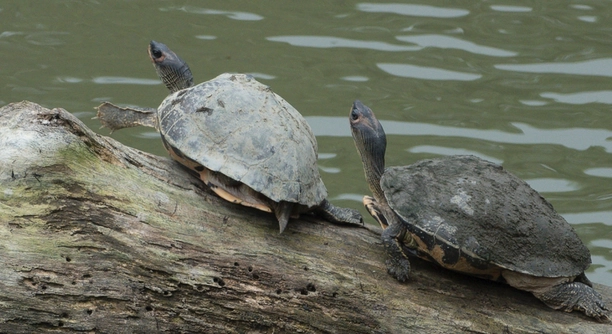
Indian Roofed Tortoises are known for their calm and friendly nature. However, certain factors can cause them stress, affecting their health and behavior. Understanding these stressors can help provide a better environment for your pet.
Stress in Indian Roofed Tortoises can be caused by factors like poor diet, inadequate lighting, improper habitat conditions, handling stress, or exposure to loud noises. These issues can result in health problems and behavioral changes, requiring attention and correction.
Proper care and a stress-free environment are key to ensuring the well-being of your tortoise. Identifying and preventing stressors can improve your pet’s quality of life.
Poor Diet and Nutrition
An improper diet is one of the most common stress factors for an Indian Roofed Tortoise. These animals need a variety of fresh vegetables, leafy greens, and some fruits to thrive. If their diet lacks the necessary nutrients, it can lead to malnutrition, weakened immune systems, and overall stress. A well-balanced diet helps maintain their health and energy levels.
Regularly providing your tortoise with foods like dandelion greens, carrots, and squash will offer a good mix of vitamins and minerals. Avoid overfeeding high-fat foods like lettuce, as they don’t provide much nutritional value.
Feeding your tortoise a proper diet should be a priority. If you notice changes in its behavior or health, adjusting its meals might be necessary. Make sure you offer fresh, clean food and always remove leftovers to avoid spoilage, which can lead to further stress. Keeping their food varied and balanced will help them stay healthy and content.
Inadequate Lighting
Lighting plays a major role in the well-being of your tortoise.
Indian Roofed Tortoises need exposure to both UVB lighting and a heat source. UVB light helps them process calcium properly, while heat is essential for their metabolism and digestion. Without these key elements, your tortoise may experience stress and health issues like metabolic bone disease.
Ensure your tortoise has access to proper lighting, with UVB bulbs that mimic sunlight. The heat lamp should create a warm basking spot of 90 to 95°F. Proper lighting is vital for their overall well-being. If you’re unsure about the lighting setup, consider consulting a specialist to create a suitable environment.
Improper Habitat Conditions
The environment of an Indian Roofed Tortoise should mimic its natural habitat as closely as possible.
Temperature, humidity, and space are all crucial for a healthy and stress-free tortoise. If the enclosure is too small or the temperature fluctuates too much, your tortoise could feel unsafe or uncomfortable. A stable, spacious habitat is essential for its well-being.
Ensure that the habitat includes areas for basking, hiding, and roaming. Use substrates that maintain moisture while being easy to clean, like coconut coir or organic topsoil. Provide a shallow water dish for hydration and soak them regularly. Also, make sure there are no sharp objects or unsuitable materials that might harm them.
Overhandling
Tortoises are not typically social animals and can easily become stressed by too much handling.
Overhandling can lead to fear and anxiety, disrupting their routine. When interacting with your tortoise, it’s essential to minimize stress. Hold them gently and for short periods, allowing them to explore at their own pace. Avoid sudden movements that might startle them.
Tortoises generally prefer a calm environment where they can move freely. Keeping handling sessions to a minimum can help reduce stress and allow them to feel secure. Respecting their need for solitude will contribute to a healthier, less stressed tortoise.
Loud Noises and Disruptions
Loud sounds and sudden movements can easily stress out your tortoise.
Tortoises have sensitive hearing and can become anxious if exposed to consistent loud noises. This could be from household activities, pets, or even outdoor traffic. It’s important to create a calm, quiet environment for them.
Keep your tortoise’s habitat away from busy areas where noise levels are high. If possible, place them in a room where they won’t be disturbed often. The less disruption, the more at ease your tortoise will feel.
Inadequate Socialization
While tortoises are not social animals, they still need some interaction.
A lack of interaction can cause your tortoise to feel isolated, though they prefer minimal contact. It’s essential to balance giving them space while offering occasional engagement to prevent loneliness. A tortoise should have time to roam and explore, but still be checked on regularly.
Inconsistent Cleaning
A dirty environment can lead to stress and even health problems for your tortoise.
Regular cleaning of the habitat is essential for your tortoise’s health. Waste should be removed daily, and the enclosure should be deep-cleaned weekly to avoid bacteria buildup. Make sure to change the water frequently and clean any food dishes. This helps keep your tortoise safe and free from stress.
FAQ
What should I feed my Indian Roofed Tortoise?
Indian Roofed Tortoises need a balanced diet consisting of leafy greens, vegetables, and some fruits. Offer dandelion greens, collard greens, kale, and hibiscus leaves. Avoid overfeeding fruits or high-fat vegetables like lettuce. Make sure their food is varied and fresh to provide the necessary vitamins and minerals. Always clean leftover food to prevent contamination.
How do I set up the perfect habitat for my tortoise?
The habitat should be spacious, with a heat source and UVB lighting. Ensure the temperature is stable, with a basking spot around 90-95°F and a cooler area around 75°F. Use substrates like coconut coir or organic soil to maintain humidity. Include a shallow water dish and hiding places for comfort.
Can I house multiple tortoises together?
It’s not recommended to house multiple tortoises together, especially if they are males. Indian Roofed Tortoises are solitary animals and can become aggressive with each other. Males may fight over territory, which can lead to injury. It’s best to house them individually to prevent stress and aggression.
How often should I handle my tortoise?
Indian Roofed Tortoises do not enjoy frequent handling. Handle your tortoise sparingly and gently to avoid stress. Short sessions, where they can explore in a calm environment, are better than frequent, prolonged handling. This helps keep them from feeling overwhelmed.
How do I know if my tortoise is stressed?
Signs of stress include reduced activity, loss of appetite, hiding more often, or pacing around its habitat. Stress may also lead to changes in behavior, such as excessive biting or becoming aggressive. Monitor your tortoise’s behavior and environmental conditions to address any potential stressors.
What temperature should I keep my tortoise’s enclosure?
Your tortoise’s habitat should have a warm basking area between 90-95°F, with a cooler side around 75°F. These temperatures help with digestion and metabolism. Make sure the enclosure doesn’t get too cold, as it can lead to health problems. Use a thermometer to maintain accurate temperatures.
How much space does my tortoise need?
The enclosure should be large enough to allow your tortoise to move freely. A minimum size of 4 feet by 2 feet is recommended for an adult tortoise. Bigger is always better to give them room to explore. The more space they have, the less stress they will feel.
Should I provide water for my tortoise?
Yes, a shallow water dish should be available at all times for hydration. Additionally, Indian Roofed Tortoises should be soaked regularly in warm water to ensure proper hydration. Be sure to clean the water bowl regularly to prevent bacterial growth and to keep the tortoise healthy.
Can Indian Roofed Tortoises be kept outside?
They can be kept outside in an enclosed outdoor space, but only in warm climates. Ensure the area is secure, predator-proof, and has both sunny and shaded spots. The temperature should not drop below 70°F, and the tortoise should always have access to fresh water.
Is it okay to feed my tortoise commercial food?
While commercial foods can be convenient, they are not always the best option for your tortoise’s health. These foods often lack the variety and nutrients found in fresh greens and vegetables. If you use commercial food, make sure it’s specifically designed for tortoises and is supplemented with fresh food.
How often should I clean my tortoise’s enclosure?
The enclosure should be cleaned regularly to avoid bacteria buildup. Remove waste daily and deep-clean the entire habitat at least once a week. Clean the water dish and food containers regularly, and make sure to replace bedding that becomes soiled. A clean environment helps reduce stress and keeps your tortoise healthy.
Do I need to provide UVB light for my tortoise?
Yes, UVB light is essential for Indian Roofed Tortoises. It helps them process calcium, which is crucial for bone health. Place the UVB bulb above the basking area, ensuring the tortoise can receive adequate exposure. Replace the bulb every 6 months, even if it still lights up, as UVB rays weaken over time.
What is the best substrate for my tortoise?
The best substrates are those that maintain moisture and are easy to clean. Coconut coir, organic soil, and cypress mulch are all good choices. Avoid using sand or gravel, as they can cause digestive issues if ingested. Keep the substrate clean and replace it when necessary to maintain a healthy environment.
How can I tell if my tortoise is sick?
Look out for signs like lethargy, loss of appetite, unusual breathing, swollen eyes, or changes in shell condition. If your tortoise seems ill, consult a veterinarian who specializes in reptiles. Early intervention can help prevent more serious health problems.
Can I take my tortoise outside for walks?
Yes, you can take your tortoise outside for walks, but always supervise them closely. Make sure the area is secure and free from potential predators. Tortoises enjoy wandering around, but they should be monitored to ensure their safety. Avoid exposing them to extreme temperatures or dangerous environments.
What kind of bedding should I use for my tortoise’s enclosure?
Use soft, absorbent bedding such as coconut coir, sphagnum moss, or organic soil. Avoid using cedar or pine shavings, as the oils can be harmful to your tortoise. The bedding should be deep enough to allow for burrowing, which helps your tortoise feel more secure.
How can I prevent my tortoise from getting stressed?
Provide a consistent, quiet environment with proper lighting, temperature, and diet. Avoid frequent handling and give them plenty of space to roam. Regularly check the habitat for cleanliness and make sure your tortoise is not exposed to loud noises or sudden movements.
Final Thoughts
Caring for an Indian Roofed Tortoise requires attention to their specific needs, from diet to habitat setup. Providing the right environment ensures they thrive and remain healthy. This includes maintaining the proper temperature, lighting, and humidity levels, as well as offering a balanced diet rich in leafy greens and vegetables. Proper hydration is also crucial, as tortoises tend to get dehydrated easily. A shallow water dish should always be available, and soaking them regularly in warm water helps maintain hydration. Small changes in the environment can cause stress, so it’s essential to keep their habitat stable and clean.
Indian Roofed Tortoises are generally low-maintenance pets, but they need routine care and observation. Monitoring their behavior and health ensures you catch any problems early. Signs of stress or illness should not be ignored, and it’s important to address these issues as soon as possible. Keeping their enclosure clean, providing a safe outdoor space for them to roam, and ensuring they have access to both heat and UVB light will go a long way in keeping them comfortable.
By understanding the unique needs of Indian Roofed Tortoises, you can create a habitat that allows them to live happy, healthy lives. As long as their environment is secure, clean, and filled with the right food, these tortoises will flourish. Always ensure that their space is free of stressors like loud noises or overcrowding. With patience and care, your tortoise will enjoy its home and remain a fascinating companion for many years.

Hello,
If you enjoy the content that we create, please consider saying a "Thank You!" by leaving a tip.
Every little bit helps us continue crafting quality advice that supports the health, happiness, and well-being of pets around the world, for pets of all shapes, sizes, and species.
We really appreciate the kindness and support that you show us!