
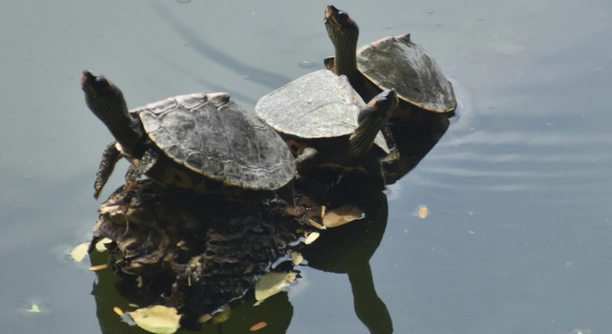
If you have an Indian roofed tortoise as a pet, you may sometimes worry about its health. Knowing the difference between sleep and sickness is crucial for its well-being. Understanding its behavior helps you care for your tortoise better.
To determine if your Indian roofed tortoise is sleeping or sick, observe its behavior. A healthy tortoise will be responsive, move around, and show interest in food. If it’s inactive, hides more than usual, or doesn’t eat, it may be unwell.
Recognizing signs early is important for keeping your tortoise healthy. Knowing when to seek help from a vet can ensure your pet stays happy and active.
Signs Your Indian Roofed Tortoise May Be Sick
When your Indian roofed tortoise is sick, it can be tricky to spot the symptoms right away. Unlike other pets, tortoises don’t vocalize their discomfort. Instead, they rely on their body language and behavior to communicate. If you notice your tortoise becoming lethargic, hiding more than usual, or not eating, these could be signs of illness. Also, if its shell looks soft or damaged, or if it has trouble moving, it’s time to pay closer attention. A sick tortoise will often seem less active, not showing the usual curiosity or interest in its surroundings.
A healthy tortoise is usually active, eating regularly, and moving around its enclosure. If you notice any of the signs above, it’s important to act quickly. Taking action early can make a big difference in your tortoise’s recovery.
An Indian roofed tortoise’s shell health is key to understanding its overall well-being. A smooth, hard shell is a sign of good health, while soft or deformed shells can point to problems like calcium deficiency or metabolic bone disease. These conditions require prompt veterinary care. If your tortoise’s shell seems unusually soft or if you notice swelling or cracks, it’s a serious concern. This could also impact its ability to move properly, affecting its quality of life. Maintaining proper nutrition and exposure to UVB light is essential for shell health.
Understanding the Sleeping Behavior of Your Tortoise
It’s essential to know when your tortoise is simply sleeping. Tortoises, especially Indian roofed ones, can sleep for long periods, particularly during colder weather. If your tortoise is inactive but still responds when touched or fed, it’s likely just resting. Sleep is part of their natural routine, and it helps them conserve energy.
While they can sleep for many hours, it’s important to observe their sleep patterns. If your tortoise sleeps more than usual and shows no interest in food or interaction, it could indicate illness. However, minor changes in sleep duration are not always a cause for concern. Keep track of your tortoise’s behavior to spot any significant changes.
How to Differentiate Between Sleeping and Illness
To know if your tortoise is just sleeping or sick, focus on its overall behavior. Healthy tortoises are active during the day and show interest in food. If your tortoise is sluggish or avoids food for extended periods, illness may be the cause.
Sleep is a natural part of a tortoise’s routine. If it’s in a quiet, resting position for a few hours, it’s likely fine. But if your tortoise hides away and remains unmoving for more than a day, this could signal something wrong. Look out for changes in its usual patterns and behaviors.
Behavioral signs can give you more insight. A sick tortoise may have trouble moving, seem less responsive, or even show signs of discomfort like mouth gaping or irregular breathing. These signs differ from the typical quiet sleep behavior. Always monitor your tortoise’s movements and activity levels to spot changes early.
The Importance of Temperature and Environment
Your tortoise’s environment plays a huge role in its well-being. If the temperature is too cold, your tortoise may appear inactive and lethargic. On the other hand, if it’s too hot, it could lead to dehydration or stress.
Creating a proper environment with heat sources, UVB light, and a clean living space can help avoid these issues. A basking area that reaches around 90°F (32°C) is ideal for most tortoises, and they need access to cooler spots as well. A consistent day-night cycle mimics their natural habitat, contributing to better health.
If your tortoise seems inactive during the day but is housed in an environment with proper lighting and temperature, it’s more likely to be sleeping. However, if the environment is too hot or too cold, stress may set in, causing the tortoise to become ill. Always check that your tortoise’s enclosure maintains the right temperature for both day and night.
Feeding Habits and Their Role in Health
Feeding plays a key part in your tortoise’s health. If your tortoise isn’t eating, it could indicate an underlying health issue. Pay attention to its eating habits, as a lack of interest in food may be a sign of illness.
A healthy tortoise will eagerly eat fresh greens and vegetables. If your tortoise refuses food for a few days, it may be stressed or sick. Make sure to offer a balanced diet rich in calcium and vitamins to support its immune system. Lack of food can also lead to dehydration and poor shell health.
Checking for Shell Damage or Softness
Inspecting your tortoise’s shell is crucial in determining its health. A soft, damaged, or deformed shell often indicates a serious health issue, like a calcium deficiency or shell rot. Look for cracks, holes, or unusual soft spots.
Shell health is vital because it affects your tortoise’s mobility and overall well-being. If you notice any damage, seek immediate veterinary care. A soft shell usually signals that your tortoise isn’t absorbing enough calcium or is suffering from an underlying disease. Providing UVB light and a proper diet is essential to maintaining a strong shell.
When to Seek Veterinary Care
If you notice signs of illness, it’s important to take action quickly. Persistent inactivity, loss of appetite, or unusual behavior can be signs that your tortoise needs medical attention. Always consult a vet if you’re unsure.
Veterinary care is essential for diagnosing and treating illnesses like respiratory infections or metabolic bone disease. A vet can perform necessary tests and guide you on the right treatment plan.
FAQ
What should I do if my Indian Roofed Tortoise isn’t eating?
If your tortoise isn’t eating, it could be stressed, sick, or dealing with environmental issues. Check if the temperature in its enclosure is correct, as being too hot or cold can affect appetite. Ensure the lighting is sufficient, particularly UVB, which is essential for calcium absorption and digestion. If these factors are fine and your tortoise still refuses food for more than a day or two, it’s time to consult a vet. A loss of appetite could signal an underlying health issue such as a respiratory infection, parasitic infection, or digestive issues.
How long can my Indian Roofed Tortoise go without food?
Indian Roofed Tortoises can survive for several days to a couple of weeks without food, depending on their age and overall health. However, they should not be left without food for extended periods as this could cause nutritional deficiencies or dehydration. If your tortoise is refusing food for more than a few days, it’s important to assess its environment, health, and habits to ensure that there isn’t an underlying problem. Make sure it’s eating enough food when it does eat, offering a variety of fresh vegetables and grasses.
How can I tell if my tortoise is stressed?
Stressed tortoises often display certain behaviors like excessive hiding, lack of appetite, or aggressive actions. Environmental stress, like improper temperature or lighting, is a common cause. Other signs include pacing, biting the enclosure, or prolonged inactivity. Stress can also result from frequent handling or changes in its environment. If your tortoise is stressed, try to improve its enclosure conditions, maintain a stable environment, and reduce handling. If symptoms persist, consider seeking advice from a vet.
Is it normal for my tortoise to sleep a lot?
Yes, it’s completely normal for tortoises to sleep, especially in colder weather or if they feel secure in their environment. Tortoises typically rest for long periods during the day and night. However, if your tortoise is sleeping excessively and seems lethargic even when awake, there may be an issue. Check its living conditions and health, and observe its overall behavior. If the tortoise doesn’t respond when touched or doesn’t eat, you should consult a vet to rule out any health problems.
What temperature should my Indian Roofed Tortoise’s habitat be?
Your tortoise’s habitat should have a temperature gradient, with a warm basking area around 90°F (32°C) and cooler areas between 75-80°F (24-27°C). The temperature should not drop below 65°F (18°C), as this can cause your tortoise to become too cold and inactive. Ensure that there is access to UVB light to help your tortoise absorb calcium. Proper heating and lighting are key to its digestion, activity, and overall health.
What is the best diet for an Indian Roofed Tortoise?
The diet for an Indian Roofed Tortoise should primarily consist of leafy greens, grasses, and vegetables. Offer a mix of dandelion greens, collard greens, mustard greens, and other non-toxic, fibrous plants. Occasionally, you can provide fruits like berries, melon, or papaya in small quantities. It’s essential to avoid feeding your tortoise high-protein foods or too many fruits, as they can cause digestive problems. Providing calcium-rich foods like clover and adding a calcium supplement to the diet will help support a strong shell. Always ensure fresh water is available.
Why is my tortoise’s shell soft?
A soft shell in a tortoise usually indicates a calcium deficiency or metabolic bone disease. This condition can result from a poor diet or insufficient exposure to UVB light, which is necessary for calcium absorption. If your tortoise’s shell is soft, consult a vet immediately. The vet will likely recommend supplements, dietary changes, and increased UVB exposure. A soft shell can severely affect the tortoise’s health, so it’s important to address the issue as soon as possible.
Can my Indian Roofed Tortoise live with other pets?
While tortoises are solitary animals by nature, they can live with other species under specific conditions. However, interactions with other pets like dogs, cats, or even other reptiles should be monitored closely. Some animals may stress or harm the tortoise. If you’re keeping multiple tortoises, ensure they have enough space and separate areas to avoid aggression. It’s important that the other pets in the household do not disrupt the tortoise’s environment, especially when it comes to temperature and lighting.
How can I prevent my tortoise from getting sick?
The best way to keep your tortoise healthy is to provide a stable, clean environment with appropriate temperature, humidity, and lighting. Offer a balanced diet rich in calcium and fiber and make sure your tortoise has access to clean water at all times. Regularly clean its enclosure to prevent bacterial infections and ensure the habitat is free from parasites. If you notice any behavioral changes, don’t wait too long before seeking veterinary help. Early intervention can prevent many common tortoise illnesses from becoming severe.
Why is my tortoise hiding all the time?
Tortoises often hide when they’re stressed, sick, or trying to regulate their body temperature. If your tortoise is hiding more than usual, check its environment. Is it too cold or too hot? Are there any changes to its enclosure that could be causing discomfort? If the hiding persists, monitor its behavior for other signs of illness, such as lethargy or lack of appetite. Persistent hiding is a sign that something is not quite right, and it’s best to consult a vet if you’re unsure.
Final Thoughts
Understanding whether your Indian Roofed Tortoise is simply sleeping or showing signs of illness can be tricky, but it’s an essential part of being a responsible pet owner. Tortoises don’t express themselves as clearly as other animals, so you need to pay close attention to their behavior, eating habits, and environment. Regular observation is key. If you notice your tortoise hiding more than usual, not eating, or showing signs of discomfort, these could be signs that something is wrong. It’s important to act quickly when you spot these changes to ensure your tortoise remains healthy.
The health of your tortoise depends on many factors, including its diet, habitat, and how well its needs are met. Providing a proper enclosure with the right temperature, UVB lighting, and a balanced diet will help your tortoise thrive. Pay attention to the details, like the softness of its shell, which can indicate a deficiency in calcium or a more serious health issue. If your tortoise is not eating or behaving normally, it might be time to check if there’s a problem with its living conditions or health. Keep in mind that tortoises often show signs of illness slowly, so early intervention is crucial for a better outcome.
It’s always a good idea to seek veterinary help if you’re unsure about your tortoise’s health. Veterinarians experienced with reptiles can help diagnose and treat illnesses that you might not be able to detect on your own. Whether it’s a minor issue or something more serious, a vet can provide guidance and care that will help your tortoise recover and stay healthy for years to come. Taking the time to understand your tortoise’s behavior and needs can prevent many common health issues and lead to a long, happy life for your pet.

Hello,
If you enjoy the content that we create, please consider saying a "Thank You!" by leaving a tip.
Every little bit helps us continue crafting quality advice that supports the health, happiness, and well-being of pets around the world, for pets of all shapes, sizes, and species.
We really appreciate the kindness and support that you show us!