
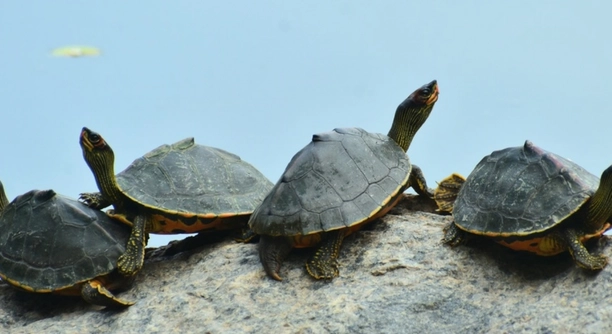
Indian Roofed Tortoises are fascinating creatures, and their happiness and health depend largely on their living environment. Tank decorations play a key role in ensuring they feel comfortable and secure. Setting up the right habitat is essential.
Tank decorations are essential for creating a natural, stimulating, and safe environment for your Indian Roofed Tortoise. Items like hiding spots, water features, and natural substrates provide enrichment, reduce stress, and help replicate their natural surroundings.
Choosing the right decorations is an easy yet important way to enhance your tortoise’s home. These additions can provide them with comfort, security, and plenty of enrichment.
1. Natural Substrate for a Comfortable Base
A natural substrate is one of the most important features in your tortoise’s tank. It mimics the environment they would encounter in the wild, providing a soft yet firm surface that helps keep their claws healthy and their movements natural. Common choices for substrate include coconut fiber, soil, or sand. These materials not only create a comfortable walking surface but also assist in maintaining proper humidity levels within the tank, which is crucial for your tortoise’s health.
A good substrate should be easy to clean while maintaining its moisture balance. Coconut fiber is often preferred because it holds moisture well and is gentle on the tortoise’s delicate skin.
When setting up the substrate, it’s important to ensure it’s deep enough for your tortoise to burrow slightly. This mimics their natural behavior and allows them to feel secure in their habitat. Be mindful of maintaining it regularly to avoid odors and mold, ensuring your pet stays happy and healthy.
2. Hiding Spots for Security and Comfort
Providing hiding spots is crucial for your tortoise’s emotional well-being.
Tortoises often seek out areas where they can retreat and relax, away from the open space. Offering a variety of hiding options, such as small caves or overturned logs, allows them to escape when they feel stressed or want privacy. These spaces should be easily accessible and made from materials that offer enough comfort.
Tortoises, like other reptiles, benefit from having places where they feel safe. This is especially important in a tank that’s often visited or handled by humans. A well-placed hiding spot reduces anxiety and allows your tortoise to retreat to a calm, quiet space. Additionally, placing the hide in a shaded area of the tank can offer them the cool spot they naturally prefer.
3. Water Feature for Hydration and Enrichment
A small water feature is essential for your tortoise’s habitat. Not only does it provide hydration, but it also adds an element of enrichment to their environment.
Make sure the water dish is shallow enough for your tortoise to enter and drink from comfortably. Tortoises need to soak in water occasionally to stay hydrated and promote healthy digestion. A shallow bowl or small pond area can give them the chance to do this. It’s important to clean the water regularly, as stagnant water can lead to bacteria growth, which is harmful.
For added stimulation, you can place rocks or other natural elements around the water feature. These additions allow your tortoise to explore and provide a more natural and active environment.
4. Climbing Structures for Physical Activity
Climbing structures are a great way to encourage movement and exercise.
Your tortoise will naturally enjoy climbing or exploring raised areas, which helps keep them active. Simple things like small rocks, logs, or branches can create a diverse, interesting environment for them. These elements should be sturdy enough to handle your tortoise’s weight. Over time, this will help promote healthy activity.
A mix of raised platforms or gentle slopes gives your tortoise areas to explore while also allowing them to get some light exercise. This helps improve muscle strength and overall health, which is essential for long-term well-being. Having a few different climbing opportunities ensures your tortoise doesn’t get bored of their tank.
5. UVB Lighting for Health and Vitality
UVB lighting is crucial for your tortoise’s overall health. It helps them absorb calcium, which is essential for strong bones and a healthy shell.
This lighting mimics the natural sunlight your tortoise would experience in the wild. Make sure the light is positioned correctly and covers most of the tank, as tortoises need it throughout the day.
It’s important to replace the UVB bulb regularly, as its effectiveness fades over time. A proper day/night cycle with UVB light ensures your tortoise’s metabolic processes run smoothly.
6. Temperature Control for Comfort
Maintaining the right temperature in your tortoise’s tank is vital for their comfort.
Temperature regulation helps keep your tortoise active and healthy. Ensure there is a warm basking area and a cooler side of the tank to allow your pet to regulate its body heat naturally.
The temperature range should be between 75°F and 85°F, with a basking spot around 90°F. Too hot or too cold can stress your tortoise and affect their health. Use a reliable thermometer to monitor conditions.
7. Natural Plants for a Lively Environment
Adding live plants is a great way to make the tank feel more natural and lively.
Plants not only enhance the aesthetic but also provide your tortoise with opportunities to forage. Safe, edible plants like dandelions, clover, and grass can be a great addition to their habitat.
FAQ
How often should I clean my tortoise’s tank?
Cleaning your tortoise’s tank should be a regular part of tank maintenance. It’s best to clean the tank thoroughly once a week, but you should spot clean daily. Remove any uneaten food, waste, or soiled substrate to keep the environment fresh and prevent bacteria build-up.
The water dish should also be cleaned daily to avoid harmful bacteria. A deep cleaning involves removing the substrate, washing the tank with mild soap and water, and replacing the old substrate with fresh material. Keeping the tank clean reduces the risk of health problems for your tortoise.
What should I feed my Indian Roofed Tortoise?
Indian Roofed Tortoises are herbivores and thrive on a varied diet of leafy greens, vegetables, and some fruits. Offer a mix of collard greens, dandelion greens, and hibiscus flowers. Avoid feeding them high-oxalate vegetables like spinach too often.
It’s important to offer food daily but in portions that your tortoise can consume within an hour or two. Overfeeding can lead to obesity or digestive issues. In addition to leafy greens, you can occasionally offer fruits like strawberries or melons in moderation. Don’t forget to provide calcium supplements to support bone health, especially if you are not feeding calcium-rich foods like kale.
Do I need to provide supplements for my tortoise’s diet?
Yes, calcium supplements are important for maintaining a healthy shell and bones. You should sprinkle calcium powder on your tortoise’s food two to three times a week. This is especially necessary if you’re not feeding calcium-rich greens regularly.
Vitamin D3 is also essential, as it helps your tortoise absorb calcium. If your tortoise doesn’t get natural sunlight, UVB lighting in the tank can help them produce vitamin D3. Some tortoise keepers also use multivitamins designed for reptiles to provide a well-rounded diet.
Can my tortoise live in a tank without a basking light?
No, your tortoise needs a basking light to regulate its body temperature and maintain good health. A basking light helps mimic the sun’s warmth and allows your tortoise to digest food properly and absorb essential nutrients.
Without the proper basking spot, your tortoise may become lethargic or develop metabolic bone disease. Make sure the basking area is between 90°F and 95°F to provide the warmth they need. A heat lamp should be on during the day and turned off at night to create a natural day/night cycle.
What size tank does my Indian Roofed Tortoise need?
The size of the tank depends on the size of your tortoise. A general guideline is to provide at least 4 square feet of space for a small tortoise. As your tortoise grows, you’ll need to upgrade the tank size. A 6-foot-long tank is ideal for an adult Indian Roofed Tortoise.
The tank should be spacious enough for your tortoise to move around comfortably, with areas to climb, hide, and bask. A larger tank also allows you to create different temperature zones, providing both a warm basking spot and a cooler area for your tortoise to retreat to when needed.
Is it necessary to have a humidity control system in the tank?
Humidity control is necessary for some species of tortoises, but Indian Roofed Tortoises are more tolerant of drier environments. However, they still require moderate humidity levels of 50-70%.
You can maintain humidity by misting the substrate with water or using a humidity gauge to monitor conditions. If the air in your home is very dry, consider using a small humidifier or placing a shallow water dish in the tank to raise humidity levels. Proper humidity helps with shell health and digestion.
How can I keep my tortoise entertained?
Tortoises enjoy exploring and foraging for food. You can keep them entertained by adding objects like rocks, logs, and plants to their tank. These elements provide physical challenges and mental stimulation as they climb, hide, or search for food.
Offering new areas to explore within the tank or changing the tank layout occasionally can keep your tortoise from getting bored. You can also hide food in different parts of the tank to encourage foraging behavior, which keeps them active and engaged.
Can I house multiple tortoises together?
Indian Roofed Tortoises are generally solitary animals and can become territorial, especially males. It’s not recommended to house multiple tortoises together unless the tank is large enough to provide adequate space for each one to have its own territory.
If you decide to house more than one, monitor them closely to ensure they aren’t fighting or stressed. Aggressive behavior, such as biting or chasing, is common in overcrowded tanks. If they don’t seem to get along, it’s best to house them separately.
What should I do if my tortoise isn’t eating?
If your tortoise isn’t eating, it may be stressed or unwell. First, check the temperature and humidity in the tank to ensure they’re within the right range. Stressful changes, like moving the tank or adding new tank mates, can also affect their appetite.
If conditions are optimal and your tortoise still isn’t eating, consult a veterinarian experienced with reptiles. A lack of appetite could be a sign of health issues, such as an infection, parasites, or metabolic problems. Regular check-ups help ensure your tortoise remains healthy.
How can I tell if my tortoise is healthy?
A healthy tortoise should be active, with clear, bright eyes and a clean, smooth shell. The shell should be hard but not brittle, and the tortoise should not show signs of swelling or soft spots.
Check for any unusual changes in behavior, such as lethargy, lack of appetite, or difficulty moving. These could indicate health problems. Additionally, monitor their feces for signs of digestion issues or parasites. Regular vet visits help ensure your tortoise stays in good health.
Final Thoughts
Creating the right environment for your Indian Roofed Tortoise is essential for their health and happiness. By providing the right tank decorations, such as natural substrates, hiding spots, and water features, you ensure that your tortoise has the space they need to thrive. These simple additions help replicate their natural habitat, offering them both comfort and stimulation. A well-planned tank setup can improve their physical health and emotional well-being, ensuring they feel secure and relaxed in their home.
Remember that the needs of a tortoise go beyond just physical space. The right lighting, temperature, and humidity are all crucial for their health. UVB lighting is necessary for calcium absorption, and a basking light ensures they stay at the correct body temperature. Regular cleaning of the tank is also important to prevent any buildup of waste or bacteria. Monitoring the temperature and humidity levels closely is another step that can greatly improve your tortoise’s environment. These are small efforts that make a significant impact on their overall health.
Finally, don’t forget that an enriched environment keeps your tortoise mentally stimulated. Offering a variety of objects to climb on, hide in, or forage for food can keep them active and engaged. Rotating different decorations or adding new items will prevent them from becoming bored and encourage natural behaviors. In the end, the combination of good care, appropriate decorations, and a suitable habitat will help your Indian Roofed Tortoise live a healthy and happy life.

Hello,
If you enjoy the content that we create, please consider saying a "Thank You!" by leaving a tip.
Every little bit helps us continue crafting quality advice that supports the health, happiness, and well-being of pets around the world, for pets of all shapes, sizes, and species.
We really appreciate the kindness and support that you show us!