
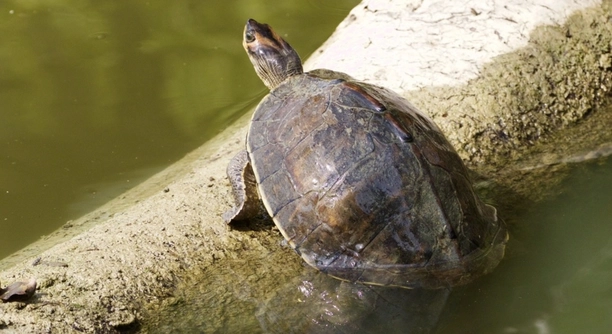
Is your Indian roofed tortoise refusing to drink water, leaving you concerned about its health? Hydration is essential for its well-being, and a lack of water intake can indicate underlying issues that need immediate attention.
The most common reason your Indian roofed tortoise is not drinking water is due to improper habitat conditions. Factors like low humidity, incorrect water temperature, or an unappealing water source can discourage hydration. Adjusting these elements can encourage proper drinking behavior.
Understanding these key factors will help you ensure your tortoise stays healthy and hydrated. Making a few simple adjustments can greatly improve its water intake and overall well-being.
Check the Temperature and Humidity
Creating the right environment is essential for your Indian roofed tortoise to stay hydrated. If the habitat is too dry, your tortoise may avoid drinking water. Keeping humidity levels between 60% and 80% helps prevent dehydration. Use a hygrometer to monitor humidity and a misting system to maintain moisture. Water temperature also plays a role in encouraging hydration. If the water is too cold, your tortoise may not want to drink it. Aim for a temperature between 75°F and 85°F. Placing a shallow dish of clean, lukewarm water inside the enclosure can help create a comfortable drinking spot.
Check the enclosure daily to ensure the humidity and temperature remain stable. If needed, adjust by misting more frequently or using a heat lamp. Small changes can make a big difference in keeping your tortoise comfortable and hydrated.
Inconsistent humidity and temperature levels may discourage drinking and lead to dehydration. Keeping these conditions stable helps encourage regular hydration and supports overall health.
Offer Fresh and Clean Water
Stale or dirty water can make your tortoise avoid drinking. Changing the water daily ensures it remains fresh and free of debris. Using dechlorinated water is also important, as chemicals in tap water can be harmful.
A shallow, sturdy water dish is best for your tortoise. If the water is too deep, it may feel unsafe drinking from it. Choose a dish that allows easy access and prevents accidental tipping. Placing it in a shaded area of the enclosure can help keep the water at a comfortable temperature. Regular cleaning of the dish prevents bacterial buildup, which can make the water unappealing.
Some tortoises prefer moving water. Lightly misting the area around the dish or dripping water into it can encourage drinking. You can also try offering water-rich foods like cucumbers and melons to supplement hydration. Small adjustments can improve your tortoise’s drinking habits.
Adjust the Water Dish Placement
Placing the water dish in the right spot can encourage your tortoise to drink more often. Keep it in a quiet, shaded area where your tortoise feels safe. Avoid placing it near heat sources, as this can cause the water to evaporate too quickly.
If your tortoise is not using the dish, try repositioning it to a more accessible location. Some tortoises prefer drinking near their basking area, while others feel more comfortable in a secluded spot. Observe your tortoise’s behavior to find the best placement. A dish with a textured bottom can provide stability and prevent slipping, making drinking easier. Changing the dish to a different material, like ceramic or stone, may also make a difference.
Keep the dish clean by scrubbing it with hot water regularly. Dirty dishes can discourage drinking and may cause bacteria to build up, leading to health issues.
Provide Hydrating Foods
Adding water-rich foods to your tortoise’s diet helps with hydration. Leafy greens like romaine lettuce, dandelion greens, and collard greens have high water content. Vegetables like cucumbers, zucchini, and bell peppers can also support hydration. Offer a mix of these foods to keep meals nutritious and refreshing.
Fruits can be given in small amounts for extra hydration. Watermelon, strawberries, and papaya are good options, but they should only be an occasional treat due to their sugar content. Soaking vegetables before feeding them adds extra moisture, making them even more beneficial. Always remove uneaten food to prevent spoilage.
A well-balanced diet with hydrating foods supports overall health. Pairing these foods with a fresh water source ensures your tortoise gets enough fluids throughout the day. Small dietary adjustments can make a noticeable difference in hydration levels.
Mist Your Tortoise Regularly
Misting your tortoise a few times a day can encourage hydration. Lightly spraying its shell and the surrounding area increases humidity, making it easier for your tortoise to absorb moisture. This is especially helpful if your tortoise is not drinking from its dish.
Using lukewarm, dechlorinated water for misting prevents irritation. A gentle spray mimics natural rain, creating a more comfortable environment. Avoid excessive misting, as too much moisture can cause shell rot or respiratory issues. Observing your tortoise’s response will help determine the right balance for keeping it hydrated.
Ensure the Water is Easily Accessible
A deep or slippery water dish may prevent drinking. A shallow, stable dish with a textured bottom makes access easier and safer. Choosing a dish that matches your tortoise’s size allows for comfortable drinking without risk of tipping over or feeling trapped.
Watch for Signs of Dehydration
Sunken eyes, dry skin, and lethargy are signs of dehydration. A dehydrated tortoise may also have dry, flaky scales and reduced appetite. Acting quickly can prevent serious health problems.
FAQ
How often should I change my tortoise’s water?
Change the water daily to keep it fresh and clean. Stagnant water can collect bacteria, making it unappealing and unsafe for drinking. If the water becomes dirty from food, debris, or waste, replace it immediately to prevent contamination. A clean water source encourages regular hydration.
Can I use tap water for my tortoise?
Tap water is usually safe, but it may contain chlorine and other chemicals that can irritate your tortoise. Using a water conditioner or letting the water sit for 24 hours before offering it helps remove harmful substances. Filtered or dechlorinated water is the best option for keeping your tortoise hydrated safely.
What if my tortoise still refuses to drink water?
If your tortoise is not drinking, try misting its shell or soaking it in shallow, lukewarm water for about 15 minutes. Offering water-rich foods and adjusting the habitat’s humidity can also help. If dehydration symptoms persist, consult a reptile veterinarian to rule out any health concerns.
Can my tortoise get enough hydration from food alone?
Water-rich foods can supplement hydration but should not replace a fresh water source. While leafy greens, cucumbers, and fruits contain moisture, they do not provide enough fluids to keep your tortoise fully hydrated. Always offer clean water alongside a balanced diet to maintain proper hydration.
How can I tell if my tortoise is dehydrated?
Common signs of dehydration include sunken eyes, dry skin, reduced appetite, and lethargy. A dehydrated tortoise may also have wrinkled skin and produce less waste. If you gently pinch the skin on its leg and it does not bounce back quickly, dehydration may be an issue.
Is it normal for a tortoise to drink water infrequently?
Yes, tortoises do not drink water as often as other pets. They absorb moisture through their food and environment, so you may not always see them drinking. However, they should still have access to fresh water at all times in case they need it.
Should I soak my tortoise to help with hydration?
Soaking your tortoise in lukewarm water once or twice a week can help with hydration, especially if it is not drinking enough. The tortoise may absorb water through its skin and drink during the soak. Avoid using cold or soapy water, as this can cause stress or irritation.
Does the water dish need to be large enough for my tortoise to soak in?
A shallow dish is enough for drinking, but having a larger dish where your tortoise can soak is beneficial. Many tortoises enjoy soaking to regulate body temperature and stay hydrated. Just make sure the water is shallow enough to prevent accidental drowning.
Why does my tortoise avoid drinking from the water dish?
Your tortoise may not like the location, depth, or cleanliness of the dish. Try moving it to a quieter spot, using a shallower dish, or changing the water more frequently. Some tortoises prefer dripping water, so lightly misting the dish can encourage drinking.
Can humidity affect my tortoise’s drinking habits?
Yes, if the humidity is too low, your tortoise may become dehydrated. If it is too high, the tortoise might drink less because it is absorbing enough moisture from the air. Maintaining the right humidity balance ensures your tortoise stays hydrated and healthy.
Final Thoughts
Keeping your Indian roofed tortoise properly hydrated is essential for its overall health. Small changes, like adjusting humidity, offering fresh water daily, and providing water-rich foods, can make a big difference. Observing your tortoise’s behavior helps you understand its hydration needs. If it avoids drinking, consider misting its enclosure, soaking it in lukewarm water, or trying a different water dish. Simple adjustments can encourage healthy hydration habits and prevent dehydration-related issues.
Regularly checking for signs of dehydration is important. Sunken eyes, dry skin, or a lack of energy could indicate your tortoise needs more water. A stable environment with proper humidity levels ensures your tortoise stays comfortable and hydrated. Cleaning the water dish frequently and ensuring easy access to water also helps maintain good hydration. If your tortoise continues to avoid drinking, a visit to a reptile veterinarian may be necessary to rule out underlying health concerns.
Providing fresh water and a well-balanced diet supports hydration and overall well-being. Paying attention to your tortoise’s drinking habits allows you to make necessary changes before dehydration becomes a serious problem. By creating a comfortable and well-maintained habitat, you help ensure your tortoise stays happy, active, and healthy for years to come.

Hello,
If you enjoy the content that we create, please consider saying a "Thank You!" by leaving a tip.
Every little bit helps us continue crafting quality advice that supports the health, happiness, and well-being of pets around the world, for pets of all shapes, sizes, and species.
We really appreciate the kindness and support that you show us!