
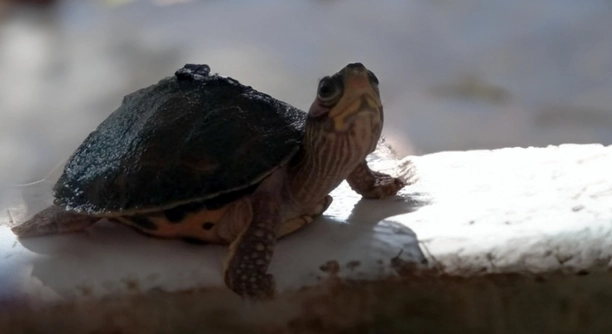
When caring for Indian Roofed Tortoise eggs, ensuring their safety until hatching is crucial. These delicate eggs require specific conditions to thrive and hatch successfully, making proper handling and storage essential for the best outcome.
To keep Indian Roofed Tortoise eggs safe, maintain a consistent temperature of 28 to 30°C (82 to 86°F) and humidity around 70%. Use a suitable incubator with proper ventilation, and monitor conditions regularly to avoid overheating or excessive moisture.
Taking the right precautions can make all the difference in the hatching process. These simple steps will ensure the safety and success of your tortoise eggs.
The Ideal Environment for Indian Roofed Tortoise Eggs
Creating the right environment for your tortoise eggs is essential for their successful hatching. Indian Roofed Tortoise eggs need a controlled atmosphere with specific temperature and humidity levels. An incubator is the best tool for providing consistent conditions. Keeping the temperature between 28°C and 30°C ensures proper development. It’s also important to maintain humidity levels around 70% to prevent the eggs from drying out. Too much moisture can lead to mold growth, while too little can cause the eggs to dehydrate. The incubator should also have adequate ventilation to ensure a steady flow of air, as oxygen is necessary for the developing embryos. Check the conditions regularly to make sure they remain stable, as fluctuations in temperature and humidity can hinder the development of the eggs.
Proper incubation will give your eggs the best chance to hatch successfully, so monitoring the environment closely is crucial.
The next step is ensuring that your eggs are positioned properly. You should place them on a soft, non-stick surface inside the incubator. This prevents pressure from being applied to the eggs, which can damage them.
Handling and Positioning of Indian Roofed Tortoise Eggs
Once the eggs are placed in the incubator, handling them with care is crucial. Indian Roofed Tortoise eggs are delicate, and any unnecessary movement or pressure can cause damage to the embryos. When transferring the eggs, always handle them gently, avoiding any jolts or drops. It’s important to keep the eggs in the same position they were in when laid, as turning them can disrupt the developing embryos. Use a soft material, such as a moist paper towel or a layer of vermiculite, to line the incubator and hold the eggs in place. This cushioning helps prevent any accidental damage and keeps them safe during incubation.
Be cautious when you need to check the eggs. Only open the incubator when absolutely necessary, as opening it too often can disturb the internal temperature and humidity levels. Keeping disturbances to a minimum will allow your eggs the best opportunity to hatch.
Checking the Eggs Regularly
It’s important to check the eggs regularly, but not too often. Opening the incubator too frequently can cause temperature and humidity fluctuations, which might harm the developing embryos. Aim for a quick, efficient check every few days to ensure that conditions remain stable. Keep an eye out for any signs of mold or condensation that might indicate an issue with the environment.
If the eggs appear to be drying out, you may need to adjust the humidity. A simple solution is to lightly mist the incubator with water, but be careful not to overdo it. Too much moisture can be just as harmful as too little. Pay close attention to the texture of the eggs. They should feel firm to the touch, not soft or squishy, as softness can indicate that they are not developing properly.
Make sure the eggs are also not touching each other or any hard surfaces. There should be enough space between them to allow for even temperature distribution. If the eggs are crowded or pressed against something hard, they might get damaged or not hatch.
Troubleshooting Potential Issues
Despite your best efforts, problems can still arise. If your eggs are not hatching after the expected incubation period, you may need to troubleshoot. One issue could be improper temperature control. Too high or too low a temperature can prevent the eggs from developing or cause them to die before hatching. If you suspect this, check the incubator’s temperature settings and use a reliable thermometer to verify the conditions.
Another common problem is inconsistent humidity levels. If the humidity is too low, the eggs can dry out, preventing proper development. If it’s too high, the eggs may become too wet, which can cause mold growth or fungal infections. Check the humidity regularly, and adjust the levels accordingly.
It’s also possible that the eggs themselves are not viable. If the eggs appear discolored or soft, it’s a sign that they may not be developing properly. In this case, it’s important to act quickly to prevent any further issues and avoid contaminating healthy eggs in the incubator.
The Right Incubation Medium
Choosing the right incubation medium is key to maintaining the ideal environment. Vermiculite or perlite are both good options for holding the eggs in place while allowing air circulation. These mediums help maintain the right humidity levels, preventing the eggs from drying out or becoming too wet.
The incubation medium should also be kept clean and free from mold. Mold can spread quickly in humid environments, so make sure the medium is fresh and dry before placing the eggs in. You can lightly mist the medium if needed to adjust humidity levels, but avoid over-saturating it.
Humidity Control and Monitoring
Humidity control is essential for successful hatching. If humidity levels drop too low, the eggs can dry out, causing dehydration and failure to hatch. Conversely, excessive humidity can cause mold growth or suffocate the developing embryos. Use a hygrometer to track humidity levels within the incubator.
Maintaining the right balance can be tricky, but it’s crucial. If humidity is too low, consider adding a shallow dish of water to the incubator or lightly misting the eggs. Ensure that the water does not touch the eggs directly. Keeping the incubator sealed as much as possible will help maintain consistent humidity.
Temperature Monitoring and Adjustments
Temperature regulation is equally as important. A consistent temperature of 28 to 30°C (82 to 86°F) is ideal for Indian Roofed Tortoise eggs. If temperatures fall outside this range, the eggs may not hatch. Use a thermometer to monitor the incubator temperature.
If you notice fluctuations, adjust the temperature settings accordingly. Be mindful of drafts or sudden changes in the room temperature that could affect the incubator’s internal conditions. Keeping the incubator in a stable, quiet environment away from windows and heaters will help maintain consistent heat levels.
FAQ
How long does it take for Indian Roofed Tortoise eggs to hatch?
The incubation period for Indian Roofed Tortoise eggs typically ranges from 60 to 90 days, depending on the temperature and humidity levels. Warmer temperatures can speed up the process, while cooler conditions may slow it down. It’s important to monitor the environment closely to ensure the eggs hatch on time. Keep in mind that the exact timing can vary, so be patient and let nature take its course.
What should the temperature be for incubating tortoise eggs?
For successful incubation, the temperature should be kept between 28°C and 30°C (82°F to 86°F). Temperatures that are too high can cause the eggs to overheat, while temperatures that are too low may slow down development. Consistency is key; avoid drastic fluctuations in temperature to ensure the best chances for hatching.
Can I move the eggs after they have been laid?
It’s best to leave the eggs in the same position as when they were laid. Moving them can disrupt the development process. If you must relocate the eggs, handle them gently and ensure they remain in the same orientation. When transferring to an incubator, make sure the eggs are placed securely to avoid unnecessary jostling.
How do I maintain the right humidity level in the incubator?
Humidity levels should be kept around 70% during incubation. Use a hygrometer to monitor the humidity. If the humidity drops, lightly mist the eggs or add a shallow dish of water to the incubator. Be cautious not to over-saturate the environment, as too much moisture can cause mold or damage the eggs.
What if the eggs are not hatching on time?
If the eggs are not hatching after the expected period, check the temperature and humidity levels to ensure they have been consistent. Sometimes eggs can take a little longer to hatch due to slight variations in conditions. If the eggs remain unhatched beyond 90 days, carefully examine them for signs of mold or damage. If they appear spoiled, it’s best to discard them.
How often should I check on the eggs during incubation?
Checking the eggs once every few days is enough. Opening the incubator too frequently can disrupt temperature and humidity levels, affecting the eggs’ development. When checking, be quick and avoid handling the eggs more than necessary. This helps prevent any issues caused by prolonged exposure to fluctuating conditions.
What is the best incubator for tortoise eggs?
An incubator that allows you to control both temperature and humidity is essential. Look for one with a reliable thermostat and a hygrometer to monitor these factors. Ensure the incubator has enough space for the eggs and provides even air circulation. Incubators designed for reptile eggs are a great choice, as they offer the precise conditions necessary for hatching.
How do I know if the eggs are fertile?
Fertile eggs are usually a solid white color, while infertile eggs may appear translucent or have a yellowish tint. To confirm fertility, you can use a process called candling, where you shine a bright light through the egg to check for the presence of veins or an embryo. Candling is typically done about 10-14 days after laying to check for signs of development.
Can I use a regular egg incubator?
A regular egg incubator can be used, but it may not have the precise settings needed for tortoise eggs. Tortoise eggs require specific temperature and humidity levels that are different from those of bird eggs. If you choose to use a regular incubator, make sure it allows you to control and monitor temperature and humidity closely. Alternatively, a reptile-specific incubator would be more suitable for the task.
Should I worry about humidity fluctuations in the incubator?
Yes, humidity fluctuations can have a significant impact on the development of the eggs. If humidity drops too low, the eggs can dry out; if it’s too high, they can become waterlogged. Keeping the incubator sealed and only opening it when necessary will help maintain stable conditions. Using a hygrometer will ensure you’re on track.
How can I tell if the eggs are developing properly?
After about two weeks, you can use candling to observe the development of the eggs. The embryo should become visible, along with blood vessels. As the incubation period progresses, the eggs may change color slightly, becoming darker as the embryo grows. If you notice a strong odor or significant changes in appearance, it could be a sign the eggs are not developing properly.
Is it safe to incubate eggs without an incubator?
While it is possible to incubate eggs without an incubator, it is much more challenging to maintain the right conditions without the proper equipment. An incubator ensures consistent temperature and humidity, which is crucial for the eggs’ development. Without an incubator, you would need to create a similar environment using homemade methods, but this can be less reliable and harder to control.
What happens if the eggs are exposed to low temperatures?
Exposure to low temperatures can cause the eggs to stop developing or even kill the embryos. If the temperature drops below 24°C (75°F), the embryos may become inactive or die. Ensure the incubator remains within the ideal temperature range to avoid harming the eggs.
Can the eggs be affected by vibrations?
Yes, vibrations can negatively affect the development of the embryos. Vibrations can cause the eggs to move, which may disturb the developing embryo. Try to keep the incubator in a stable, quiet location to avoid any unnecessary disturbances. The less movement, the better for the eggs.
How do I handle the eggs after they hatch?
Once the tortoises hatch, carefully remove them from the incubator and place them in a suitable habitat with appropriate warmth and humidity. Avoid handling the hatchlings too much, as they are fragile. Provide them with access to clean water and appropriate food once they’ve adjusted to their new environment.
Final Thoughts
Incubating Indian Roofed Tortoise eggs requires attention to detail and patience. By ensuring the right temperature, humidity, and environment, you increase the chances of a successful hatch. The most important factors to keep in mind are consistency and monitoring the conditions regularly. Avoid frequent disturbances, as the eggs need stability to develop properly. In general, patience is key, as the entire incubation process can take up to 90 days.
While the process may seem daunting, it is important to stay calm and follow the necessary steps. With the right knowledge, you can create the ideal environment for the eggs to hatch. By understanding the basic needs of the eggs, including the right humidity and temperature, you can avoid common issues. Keep an eye on the eggs, check them occasionally to ensure no problems arise, and stay committed to maintaining the proper conditions throughout the incubation period.
In the end, the effort will be worth it when you see the hatchlings emerge. The Indian Roofed Tortoise is a fascinating species, and watching their eggs hatch is a rewarding experience. Ensure that the hatchlings are well cared for after they emerge by providing them with the proper habitat. This includes the right substrate, temperature, and a clean environment for them to thrive. With the right preparation, you can successfully raise these tortoises and enjoy their company for years to come.

Hello,
If you enjoy the content that we create, please consider saying a "Thank You!" by leaving a tip.
Every little bit helps us continue crafting quality advice that supports the health, happiness, and well-being of pets around the world, for pets of all shapes, sizes, and species.
We really appreciate the kindness and support that you show us!