
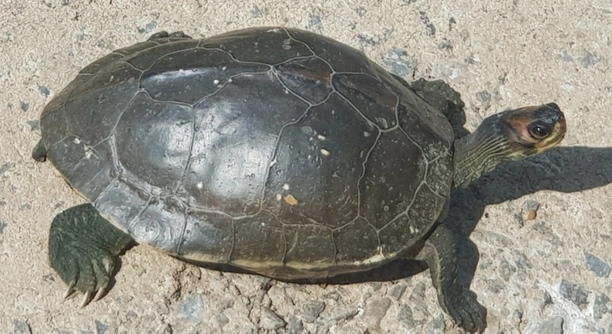
Indian Roofed Tortoises are a popular choice for many pet owners, often praised for their unique appearance and docile nature. However, their habitat requirements are essential to their well-being. This article explores the question of whether they can be kept in a glass tank.
Indian Roofed Tortoises can be kept in a glass tank, but there are considerations to keep in mind. The tank should provide adequate space, proper humidity, and UVB lighting to mimic their natural environment. It is essential to maintain appropriate conditions for their health.
Proper tank setup and maintenance are key factors for the tortoises’ long-term health. Understanding these aspects will help you create the best environment for them.
Can Glass Tanks Provide the Right Environment?
When setting up a glass tank for an Indian Roofed Tortoise, several important factors must be addressed. First, size is crucial. A 40-gallon tank is often a minimum requirement for an adult tortoise. This gives them space to move around, reducing stress and promoting healthy behavior. Additionally, the tank must be equipped with proper heating and lighting to create a temperature gradient. Tortoises need a basking spot of around 90°F to regulate their body temperature. It is also essential to include a cooler area where they can retreat if they get too warm.
Humidity is another key aspect. Indian Roofed Tortoises thrive in environments that are not too dry. Their tank should have a humidity level of around 60-70%. Without this, they can face respiratory issues. A humidity gauge is helpful to monitor this, and regular misting or a water dish can maintain the right level. Additionally, providing a substrate that holds moisture, such as coconut coir or soil, helps maintain a comfortable environment.
Maintenance and Care
Regular maintenance is required to ensure your tortoise remains healthy. Clean the tank regularly to avoid bacteria buildup. It’s best to remove uneaten food daily and replace bedding when it becomes soiled. Water should also be changed frequently to avoid contamination.
Keeping your tortoise in a glass tank requires more than just a setup. The right care and maintenance ensure they stay healthy and comfortable. Proper heating, lighting, humidity, and cleanliness are all essential for your tortoise’s well-being.
Pros of Using a Glass Tank
Glass tanks are easy to clean and offer good visibility, allowing you to observe your tortoise without disturbing it. They also provide a controlled environment, where temperature and humidity can be regulated. This helps create a stable habitat for your tortoise, reducing stress.
The transparency of glass tanks also makes it easier to monitor your tortoise’s health. You can spot signs of illness or behavior changes quickly, which is helpful for early intervention. Furthermore, glass tanks are widely available and come in various sizes, allowing flexibility in choosing the right one for your tortoise’s needs.
Another advantage is that glass tanks are durable and long-lasting. Unlike plastic enclosures, glass is resistant to scratching and can withstand the test of time. This means your tortoise’s habitat will remain intact without requiring frequent replacements, which is a great investment in the long run.
Cons of Using a Glass Tank
Glass tanks can sometimes lack proper ventilation, leading to humidity and temperature imbalances. Without adequate airflow, the enclosure can become too damp, which can lead to respiratory issues for your tortoise. Therefore, it is important to ensure your glass tank has proper ventilation through small openings or a mesh lid.
Another downside is that glass tanks can be heavy and difficult to move around. If you need to relocate your tortoise or clean the tank, the weight of the glass can be an issue. Additionally, moving the tank might disturb your tortoise, causing unnecessary stress. This can be avoided by setting the tank in a permanent location where it can remain undisturbed.
Managing temperature in glass tanks can also be tricky. While heating elements can be used, they can sometimes lead to uneven temperature distribution within the tank. Some areas may be too warm, while others may remain too cold, which can stress your tortoise.
Tank Size and Space Considerations
The size of the glass tank is crucial to the health of your Indian Roofed Tortoise. A larger tank provides ample space for the tortoise to move, exercise, and explore. A cramped tank can lead to stress and even health issues.
For an adult tortoise, a minimum of a 40-gallon tank is recommended. The more space, the better. Ensure that the tank is long enough to allow them to roam. Crowded spaces can lead to behavioral problems, and they might feel insecure or anxious. Therefore, size should be a top priority when setting up their habitat.
Substrate Choices
Choosing the right substrate is essential for maintaining proper humidity and comfort in the tank. Coconut coir, cypress mulch, or soil are popular choices as they hold moisture well and provide a natural feel for the tortoise. Avoid using sand or gravel as they can cause digestive issues if ingested.
The substrate should also be deep enough for burrowing. Burrowing is a natural behavior for tortoises, so providing an area where they can dig helps them feel secure. Additionally, the substrate must be cleaned regularly to avoid contamination. Replace it if it becomes soiled or smells.
Temperature Control in Glass Tanks
Maintaining the correct temperature in a glass tank is important for the tortoise’s health. A basking area should be around 90°F, while the cooler side of the tank should remain around 75°F. This temperature gradient allows the tortoise to regulate its body heat effectively.
To achieve this, use a reliable heat source, such as a heat lamp or ceramic heater. Be sure to place the heating elements carefully, avoiding direct contact with the substrate to prevent overheating. Monitor the temperature with a thermometer to ensure it remains consistent and suitable for your tortoise’s needs.
FAQ
Can Indian Roofed Tortoises live in a glass tank for their entire life?
Yes, Indian Roofed Tortoises can live in a glass tank for their entire life if the setup meets their needs. The key is ensuring that the tank is large enough to allow them to roam, and that temperature, humidity, and lighting are properly controlled. A glass tank provides visibility and a controlled environment but requires regular maintenance and adjustments to ensure comfort and health.
What size glass tank is needed for an Indian Roofed Tortoise?
For an adult Indian Roofed Tortoise, a tank that is at least 40 gallons is recommended. However, larger is always better. A bigger tank allows for more movement and reduces stress. The tank should be long rather than tall, as tortoises primarily move horizontally. Space is important for providing a natural habitat that mimics their wild environment.
How do I maintain the proper humidity in a glass tank?
To maintain proper humidity, you can use a combination of regular misting and a shallow water dish. Adding a humidifier or placing a damp sponge inside the tank can also help. Additionally, using substrates like coconut coir or cypress mulch helps retain moisture. Regular monitoring with a hygrometer will ensure that humidity stays within the ideal range of 60-70%.
Can I use a heat mat in a glass tank for my tortoise?
Yes, a heat mat can be used, but it should not be the primary heat source. It is better to use a heat lamp for basking. The heat mat can be placed under one side of the tank to provide warmth to the cooler end, creating a temperature gradient. Ensure the mat does not get too hot and is not in direct contact with the tortoise.
What kind of lighting is required for an Indian Roofed Tortoise in a glass tank?
Indian Roofed Tortoises require UVB lighting to help them metabolize calcium and maintain strong bones. A UVB light should be on for about 12 hours a day, providing exposure to UVB rays. It’s important to use a full-spectrum bulb designed for reptiles to ensure the proper light wavelength. Without UVB lighting, your tortoise could suffer from metabolic bone disease.
Is it necessary to provide a basking spot in the glass tank?
Yes, a basking spot is essential for your tortoise to regulate its body temperature. The basking area should be around 90°F, allowing your tortoise to absorb heat and digest food properly. A heat lamp or ceramic heat emitter is typically used for this. Ensure there are no hot spots that could burn your tortoise.
What should I feed my Indian Roofed Tortoise in a glass tank?
An Indian Roofed Tortoise’s diet should consist mainly of leafy greens, such as dandelion greens, collard greens, and mustard greens. Occasionally, you can offer fruits and vegetables like strawberries, squash, and bell peppers. Avoid feeding them high-protein foods like meat or dairy. A calcium supplement should also be added to their diet to maintain bone health.
How often should I clean the glass tank?
Cleaning the tank regularly is important to avoid bacterial buildup. It’s recommended to clean the tank thoroughly every 2-3 weeks, removing any uneaten food and replacing soiled substrate. You should spot clean the tank daily by removing waste and checking the water dish for cleanliness. Always ensure the tank is free from mold or fungi, as these can harm your tortoise.
Do I need to provide hiding spots in the glass tank?
Yes, providing hiding spots is essential for the tortoise’s well-being. They need places to retreat and feel secure. Rocks, logs, or commercially available hideouts can be placed in the tank to create these safe spaces. This will help reduce stress and allow the tortoise to feel safe when they want to rest or sleep.
Can I put more than one tortoise in the same glass tank?
While it is possible to house multiple tortoises together, it is generally not recommended unless the tank is large enough. Indian Roofed Tortoises can be territorial and might not always get along. If you do house more than one, it’s crucial to monitor them closely for signs of aggression or stress. A larger tank with multiple hiding spots can help reduce territorial behavior.
Final Thoughts
Keeping an Indian Roofed Tortoise in a glass tank can be a good option if the tank is large enough and the proper environmental conditions are maintained. Glass tanks allow for easy viewing of the tortoise and help create a controlled environment. However, it is important to ensure that the tank is appropriately sized, equipped with the right temperature gradient, and has enough space for the tortoise to roam. If these conditions are met, a glass tank can provide a comfortable and safe home for your tortoise.
One challenge of using a glass tank is maintaining the proper humidity levels. Indian Roofed Tortoises need humidity levels of around 60-70% to stay healthy. This can be tricky, especially in dry climates or if the tank is kept in a room with low humidity. Regular misting, using a humidifier, and choosing the right substrate can help maintain the proper humidity levels. Additionally, monitoring the temperature is crucial, as the tortoise needs a basking spot of around 90°F and a cooler area to regulate its body heat. Without these temperature controls, your tortoise could experience stress or health issues.
While a glass tank can work well for an Indian Roofed Tortoise, it is essential to stay on top of the tank’s maintenance. Regular cleaning is necessary to keep the environment healthy and free from harmful bacteria. The tank should be cleaned every 2-3 weeks, and waste should be removed daily. With the right setup, a glass tank can be a great choice for housing your tortoise. It is essential to always keep their needs in mind, from proper lighting and heating to enough space and hiding spots. A little extra effort in maintaining the tank will help ensure your tortoise remains happy and healthy.

Hello,
If you enjoy the content that we create, please consider saying a "Thank You!" by leaving a tip.
Every little bit helps us continue crafting quality advice that supports the health, happiness, and well-being of pets around the world, for pets of all shapes, sizes, and species.
We really appreciate the kindness and support that you show us!