
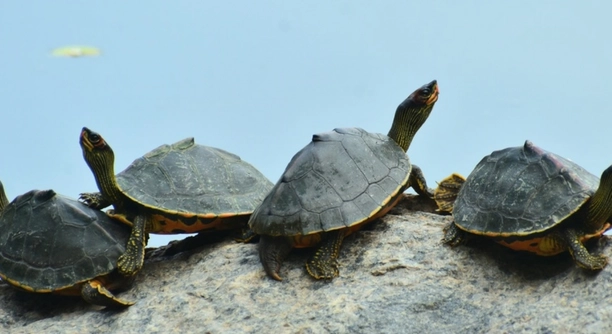
Protecting an Indian Roofed Tortoise from household hazards is essential to its well-being. These tortoises are vulnerable to various risks in the home, and proper care can help ensure they stay healthy and safe in their environment.
To protect your Indian Roofed Tortoise, it is important to remove potential hazards like toxic plants, small objects they could swallow, and electrical cords. Additionally, ensuring their living space is free from temperature extremes and sharp objects will prevent injuries.
By taking simple precautions, you can reduce the risks your tortoise faces in a home environment, ensuring their safety.
Identifying Household Hazards for Your Indian Roofed Tortoise
Indian Roofed Tortoises are often exposed to common household hazards that can be harmful to their health. Toxic plants, for example, are a major concern. Many plants are poisonous to tortoises, including lilies, ivy, and daffodils. If your tortoise has access to areas where these plants grow, they may ingest them, leading to serious health issues. Another major risk is electrical cords. Tortoises are naturally curious and may chew on cords, which can cause life-threatening injuries or electrocution. Small items such as buttons, jewelry, and even coins can also be dangerous if swallowed, leading to blockages or digestive problems. It is crucial to identify and eliminate these hazards before your tortoise has the chance to encounter them.
Keeping your tortoise’s living space free from harmful objects helps create a safer environment. Prevention is much easier than dealing with the consequences of injuries caused by these common household items.
The best approach is to constantly inspect the areas where your tortoise roams and ensure they are free of items that can pose a threat. Providing a secure, clean space for your tortoise ensures their well-being. Take steps to create a safe zone, avoiding potential risks while offering them a comfortable home.
Creating a Safe Habitat for Your Tortoise
One of the most important steps in protecting your tortoise is setting up a proper habitat. This means providing an enclosure with sturdy walls and a secure lid to prevent escapes. You should also avoid placing any toxic substances or cleaning agents near their habitat. Some chemicals can seep into their water or food, leading to poisoning.
A suitable enclosure should be well-ventilated and spacious enough for your tortoise to move freely. The enclosure should also include a hide area for them to retreat to when they need privacy. The floor should be covered with a non-toxic substrate, such as coconut fiber, to make them feel more at home. A secure habitat that meets these needs ensures a safe and comfortable environment for your tortoise.
Proper lighting is also a must. Tortoises need access to UVB light to help them process calcium and prevent shell deformities. Ensure their habitat has the appropriate heat source to keep them warm, but not too hot. Keeping temperatures in check helps avoid overheating.
Removing Small Objects and Choking Hazards
Small objects such as toys, stones, or even pieces of food can pose choking risks to your tortoise. Always check the area where they roam for potential hazards that they might swallow. Anything that fits into their mouth could lead to a blockage.
If your tortoise is roaming freely inside your home, it’s important to clear the floor of small, easily accessible items. Items like buttons, rubber bands, or bits of plastic can be tempting for curious tortoises to investigate. Even though they are herbivores, they often explore their surroundings by taste, which could lead to accidental ingestion. It’s also a good idea to inspect any furniture or hidden nooks where small items may fall. Ensuring that the environment is clean and free of these risks will reduce the chances of accidents.
Properly monitoring your tortoise while they explore can help prevent any unfortunate incidents. You can keep the area safe by closing off rooms with small items or using a playpen in safe spaces where they can roam freely.
Handling Household Chemicals and Cleaning Products
Household chemicals like cleaning products and pesticides are extremely dangerous to tortoises. These substances can be toxic if ingested or if they come in contact with their skin. It’s important to store these chemicals in sealed containers out of reach of your tortoise.
Cleaning products such as bleach, ammonia, or even air fresheners should be used in areas where your tortoise cannot access. If you’ve cleaned a surface or cage, ensure it’s completely dry and free from residue before allowing your tortoise near it. Some household cleaners can leave toxic fumes or residue, so be cautious. For areas where your tortoise lives, consider using non-toxic cleaners like vinegar or baking soda, which are much safer. These simple changes will greatly reduce any risk to your tortoise’s health.
Additionally, be mindful of plants treated with pesticides. Many household plants are treated with harmful chemicals that could poison your tortoise if ingested. Always check for any chemical treatments before bringing plants into your home.
Avoiding Toxic Plants
Many common household plants are toxic to tortoises, including lilies, daffodils, and poinsettias. Keep your tortoise away from these plants to avoid poisoning. Check the plants in your home to ensure they are safe for your tortoise.
It’s also important to research any new plants before bringing them into your home. Even plants that seem harmless can cause serious health problems. Make sure to create a safe space for your tortoise by removing all potentially harmful plants from their environment. Prevention is key when it comes to toxic plants.
Creating a Safe Outdoor Space
If your tortoise has access to an outdoor area, ensure it’s secure and free of hazards. Fencing should be high enough to prevent escape, and the ground should be free of sharp objects or toxic plants.
A safe outdoor space also needs to have shade and a place for your tortoise to hide. It’s important to monitor the weather and ensure the temperature stays within a comfortable range for your tortoise. Too much sun or extreme cold can harm them. By carefully managing their outdoor environment, you can provide your tortoise with a healthy and secure place to roam.
Electrical Hazards
Electrical cords are a major risk for tortoises. If they chew on them, the result could be fatal. Keep cords out of reach by securing them or hiding them behind furniture.
Be mindful of any areas where your tortoise could access cords, including lamps, appliances, or computer wires. It’s best to use cord protectors or place furniture in ways that block access to these dangers. Preventing exposure to electrical hazards is essential in keeping your tortoise safe.
FAQ
How do I know if my tortoise has eaten something harmful?
If your tortoise shows signs of distress like vomiting, diarrhea, or lack of appetite, it may have eaten something harmful. Watch for unusual behavior like lethargy or difficulty moving, which could indicate internal issues. It’s important to seek veterinary care immediately if you suspect poisoning or ingestion of a dangerous item.
What should I do if my tortoise chews on electrical cords?
If your tortoise chews on electrical cords, the first step is to ensure the area is safe. Remove the cord immediately and check for any injuries. If you notice burns or other injuries, contact a vet right away. Use cord protectors or hide cords to prevent future incidents.
Are there any specific household items that I should never leave around my tortoise?
Avoid leaving items like small toys, buttons, rubber bands, and plastic objects around your tortoise. These can be easily swallowed, leading to choking or digestive blockages. Also, avoid leaving any toxic chemicals or cleaning agents within reach, as they could poison your tortoise if ingested or absorbed through the skin.
Can I use regular cleaning products around my tortoise?
Regular cleaning products, such as bleach or ammonia, can be toxic to tortoises. It’s best to use non-toxic cleaners, like vinegar or baking soda, when cleaning areas your tortoise frequents. Always ensure any cleaning supplies used around their habitat are completely dry and free of residue before allowing your tortoise to return.
What temperature should I keep my tortoise’s habitat?
Indian Roofed Tortoises require a warm environment with temperatures ranging from 75°F to 85°F (24°C to 29°C). They need a basking area with temperatures reaching up to 90°F (32°C) to regulate their body temperature. Make sure there is a temperature gradient in their enclosure so they can move between warmer and cooler areas.
Can I feed my tortoise food scraps from the kitchen?
It’s best not to feed your tortoise food scraps from the kitchen, as they may contain harmful ingredients like spices, salt, or oils. Tortoises should have a diet based on leafy greens, vegetables, and some fruits. Ensure the food you offer is safe and suitable for their specific species.
How often should I clean my tortoise’s habitat?
Cleaning your tortoise’s habitat should be done regularly, at least once a week, to maintain a healthy environment. Remove waste and uneaten food daily. Deep cleaning, including disinfecting surfaces, should be done monthly to prevent bacteria buildup. Always use safe, non-toxic cleaners when cleaning their living space.
Can I let my tortoise roam freely around the house?
While it’s fine to allow your tortoise some free roam time, it’s crucial to supervise them at all times. Keep an eye on potential hazards like electrical cords, sharp objects, or toxic plants. Also, ensure the area is safe and enclosed so your tortoise doesn’t wander into danger or escape.
How do I keep my tortoise hydrated?
Provide a shallow dish of clean water in your tortoise’s enclosure at all times. Tortoises often prefer to soak in their water to stay hydrated, so make sure the water is shallow enough for them to comfortably soak in. You can also offer wet leafy greens to increase hydration.
What should I do if my tortoise gets overheated?
If your tortoise gets overheated, move them to a cooler area immediately. Offer them water to help cool down, and ensure they have access to shade. Monitor their temperature to make sure it doesn’t drop too quickly, as extreme changes can also be harmful.
Can my tortoise live outside all year round?
In areas with a mild climate, your tortoise can live outside for part of the year, but they should always have access to a safe, secure shelter. During extreme weather conditions, like cold temperatures or heavy rain, they should be brought inside to avoid stress and health risks.
How do I know if my tortoise is stressed?
Signs of stress in a tortoise can include excessive hiding, refusal to eat, lethargy, and aggressive behavior. Stress can be caused by changes in their environment, poor diet, or being housed with incompatible companions. If you notice any signs of stress, make sure their habitat is secure and free from stressors.
Should I give my tortoise a bath?
Bathing your tortoise is not strictly necessary, but it can help with hydration and cleaning. Use lukewarm water and make sure it’s shallow enough for them to soak in comfortably. You can bathe your tortoise once a week or as needed to maintain their cleanliness and hydration. Always dry them gently afterward.
What type of lighting does my tortoise need?
Your tortoise needs UVB lighting to help them synthesize vitamin D3, which is essential for calcium absorption and shell health. Provide a UVB light source for 10-12 hours a day. In addition, a heat source is necessary to ensure your tortoise can regulate its body temperature properly.
How do I prevent my tortoise from escaping its enclosure?
To prevent your tortoise from escaping, make sure their enclosure has high, secure walls that they cannot climb over. Check for any gaps or weak points in the fence or lid. Tortoises are surprisingly good at finding ways to escape, so it’s essential to regularly inspect their environment for potential exit points.
What should I do if my tortoise is injured?
If your tortoise is injured, it’s important to assess the severity of the injury. For minor cuts or scrapes, gently clean the wound with warm water and keep it dry. For more serious injuries, such as broken shells or bites, seek immediate veterinary care.
Final Thoughts
Taking care of an Indian Roofed Tortoise involves more than just providing food and water. Their environment must be safe, clean, and free from common household hazards. Whether it’s keeping cords out of reach, making sure your cleaning supplies are safe, or monitoring their temperature, there are many ways to ensure your tortoise stays happy and healthy. By understanding their needs and being mindful of potential dangers, you can create a better living space for your tortoise.
While it may seem like a lot of responsibility, protecting your tortoise from household hazards is relatively simple with a little effort and awareness. Regular cleaning of their habitat, offering a balanced diet, and checking for any signs of stress or illness are all key components of keeping your tortoise safe. Creating a safe environment not only protects them from injury but also supports their overall well-being. By staying informed about common risks and how to prevent them, you can prevent accidents from happening.
In the end, your tortoise’s well-being depends on the environment you create for them. Whether they are in their enclosure or roaming safely in a controlled area, keeping hazards in check will make a big difference. With a focus on safety, you’ll be able to provide your tortoise with the best care possible, ensuring they live a long and healthy life.

Hello,
If you enjoy the content that we create, please consider saying a "Thank You!" by leaving a tip.
Every little bit helps us continue crafting quality advice that supports the health, happiness, and well-being of pets around the world, for pets of all shapes, sizes, and species.
We really appreciate the kindness and support that you show us!