
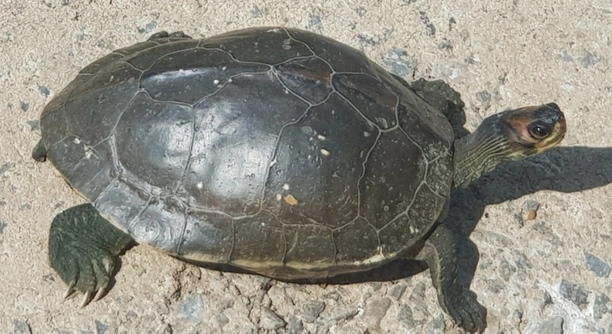
Setting up proper lighting for your Indian roofed tortoise enclosure is key to their health and well-being. The right lighting helps regulate their body temperature and supports natural behaviors like basking and eating.
The best lighting setups for Indian roofed tortoises include providing both UVA and UVB light, along with a heat source. This combination mimics their natural habitat and promotes essential metabolic functions such as calcium absorption and shell growth.
Choosing the right lighting is vital for your tortoise’s health. It not only helps with their physical needs but also contributes to their overall comfort.
Importance of UVB Lighting for Indian Roofed Tortoises
UVB lighting is essential for Indian roofed tortoises as it helps them synthesize vitamin D3. This vitamin is crucial for calcium absorption, which directly affects their bone health and shell growth. Without adequate UVB exposure, your tortoise can develop metabolic bone disease, a serious condition that can lead to deformities. To mimic natural sunlight, it is recommended to use a UVB bulb that covers a wide area. Ideally, the light should be placed at a distance of around 12 to 18 inches from the tortoise’s basking spot to ensure effective exposure. Additionally, UVB bulbs lose their effectiveness over time, so regular replacement is necessary to maintain proper lighting levels. Ensuring a balanced light cycle, about 10-12 hours of UVB light per day, supports their natural rhythm and health.
Proper UVB lighting should be part of every Indian roofed tortoise enclosure. Regular exposure promotes healthy bone development and overall well-being. Replace UVB bulbs every 6 to 12 months for continuous benefits.
Consistent UVB lighting allows your tortoise to thrive. Keeping the bulb at the right distance and following a regular light schedule will help maintain their health.
The Role of Heat in Tortoise Enclosures
Heat plays a significant role in regulating the body temperature of your tortoise. Since they are cold-blooded, they rely on external heat sources to stay warm and active. For Indian roofed tortoises, a basking spot with a temperature between 90-95°F is ideal. It’s important to provide a temperature gradient within the enclosure, allowing the tortoise to move to cooler areas when needed. Using a ceramic heat emitter or a basking bulb can create the necessary warmth. Avoid using heat rocks, as they can burn your tortoise if they accidentally touch them. Monitor the temperature regularly with a reliable thermometer to ensure the enclosure stays within the recommended range.
Maintaining the proper temperature is just as important as providing UVB lighting. Together, these elements support your tortoise’s overall health and activity.
Types of Lighting for Tortoise Enclosures
The two primary types of lighting for tortoise enclosures are UVB bulbs and heat lamps. UVB bulbs help with calcium absorption, while heat lamps maintain the right temperature. Choosing the right combination is essential to your tortoise’s health.
UVB bulbs are crucial for providing the necessary ultraviolet rays that your tortoise would typically get from sunlight. Make sure the bulb is strong enough to cover the basking area and is placed properly within the enclosure. Heat lamps should create a warm basking spot for your tortoise to regulate its body temperature. Both types of lighting should be on a timer, ensuring your tortoise gets a day and night cycle, mimicking natural conditions.
Each type of lighting serves its purpose, and having both in the enclosure ensures that your tortoise has the proper environment. Keep the lighting sources clean to maximize their effectiveness. Regularly check the temperatures and UVB levels for consistency and replace bulbs when necessary.
Placement of Lights in the Enclosure
The placement of lighting in your tortoise’s enclosure directly impacts its effectiveness. Position the UVB bulb over the basking area, so your tortoise can absorb the necessary UVB rays while warming up. Place the heat lamp near the basking spot to maintain a temperature of 90-95°F. The distance between the light and the basking spot should be around 12 to 18 inches to avoid overheating or underexposure.
Ensure that other parts of the enclosure have cooler areas for your tortoise to retreat to if it gets too hot. Creating a temperature gradient from warm to cool is crucial for allowing your tortoise to regulate its body temperature effectively.
Both heat and UVB lights should not be placed directly over areas where your tortoise sleeps, as they need a cooler spot for rest. Be mindful of the wattage and intensity of the bulbs used to prevent overexposure.
Duration of Lighting
Indian roofed tortoises need around 10-12 hours of light each day. This should mimic the natural sunlight cycle, which helps regulate their behavior and health. A timer can be very useful for maintaining a consistent light schedule.
It’s important to adjust the duration depending on the seasons. In winter months, the light period may need to be shorter, while in summer, the light period may be longer. Consistency is key to maintaining a healthy environment for your tortoise. Make sure the light is turned off at night to allow them to rest properly.
Types of Heat Sources for Tortoise Enclosures
Heat lamps, ceramic heaters, and under-tank heaters are the most common heat sources used in tortoise enclosures. Heat lamps should be placed above the basking area to provide warmth. Ceramic heaters are useful because they don’t emit light, making them ideal for nighttime heat.
Always monitor the temperature to ensure that your tortoise has a comfortable range, and don’t rely solely on heat rocks. Too much direct heat can be harmful. Keep a thermometer near the basking spot to track the temperature and ensure it’s consistent.
Light Bulb Lifespan and Maintenance
UVB bulbs lose their effectiveness over time, even if they still emit visible light. Typically, UVB bulbs should be replaced every 6 to 12 months, depending on the brand. Regular maintenance is essential for your tortoise’s health.
Check the bulbs frequently to ensure they are functioning correctly. Clean the bulb and its fixture to avoid dust buildup that may reduce light output. Replacing the bulbs on schedule ensures your tortoise always gets the necessary exposure to UVB rays for optimal health.
FAQ
How much UVB light does my tortoise need?
Indian roofed tortoises need approximately 10-12 hours of UVB light each day. The UVB bulb should be placed within 12-18 inches from the basking spot to provide adequate exposure. UVB light is necessary for vitamin D3 production, which helps them absorb calcium. Without it, they can suffer from metabolic bone disease. It’s also important to remember that UVB bulbs lose their effectiveness over time, so replacing them every 6 to 12 months is recommended.
Can I use regular light bulbs for tortoise enclosures?
Regular light bulbs do not provide the UVB rays needed for your tortoise’s health. You need a specific UVB bulb, designed to emit the proper wavelengths of light that tortoises need for calcium absorption. A standard incandescent or LED bulb will provide heat, but it won’t help with UVB exposure. Always choose a UVB bulb, and pair it with a heat source like a basking lamp to create a balanced environment.
What is the best temperature for a tortoise enclosure?
The basking area of the enclosure should maintain a temperature between 90-95°F. This warmth allows your tortoise to regulate its body temperature, ensuring it stays active and healthy. The rest of the enclosure should have cooler areas to provide a temperature gradient, so your tortoise can move to a cooler area if it gets too hot. This gradient should range from 75-85°F, allowing your tortoise to choose the temperature it’s most comfortable with.
How do I know if the UVB light is working properly?
UVB light can be checked using a UVB meter to ensure it’s emitting the correct levels. If you don’t have a meter, you can replace the bulb every 6-12 months as a preventive measure since UVB bulbs lose their effectiveness over time, even if they still emit light. Additionally, watch your tortoise’s health and behavior. If they start showing signs of lethargy, poor appetite, or shell problems, it could indicate inadequate UVB exposure.
Do tortoises need a night light?
Tortoises do not need a night light. In fact, it’s best to keep the enclosure dark during nighttime hours to allow your tortoise to rest. They follow a natural day and night cycle, so providing a dark period overnight supports their sleep pattern and overall health. Simply turn off the UVB and heat lights at night, and the natural darkness will help your tortoise feel secure and comfortable.
How do I maintain the proper temperature in the enclosure?
To maintain the proper temperature, use a reliable thermometer to check both the basking spot and the cooler areas of the enclosure. Heat lamps are the most common heat source, and they should be placed directly above the basking area. If you need heat at night, consider using a ceramic heat emitter, which provides warmth without emitting light. Always monitor the temperature regularly to ensure the enclosure remains within the correct range.
How far should the UVB bulb be from the basking area?
The UVB bulb should be placed about 12-18 inches away from the basking spot. This distance ensures your tortoise gets the proper amount of UVB exposure without being too close, which could cause overexposure. Be sure to adjust the distance based on the strength and brand of the bulb you’re using. It’s essential to follow the manufacturer’s recommendations for optimal positioning.
Can I use a heat rock in the enclosure?
It’s not recommended to use heat rocks in your tortoise’s enclosure. Heat rocks can become too hot and cause burns to your tortoise. Instead, use a heat lamp or ceramic heat emitter, which provide more consistent and safer warmth. These heat sources allow you to better regulate the temperature of the basking spot and the cooler areas of the enclosure.
Should I use a timer for the lights?
Using a timer for both the UVB and heat lights is a great way to ensure your tortoise gets a consistent day-night cycle. The UVB light should be on for about 10-12 hours a day, and the heat lamp should be on during the day as well to maintain the correct temperature. A timer also makes it easier for you to maintain a regular lighting schedule, which is important for your tortoise’s health and well-being.
How can I tell if my tortoise is overheating?
Overheating can cause your tortoise to become lethargic or try to escape the basking area in search of cooler spaces. If your tortoise starts to retreat into cooler corners more often, it could be a sign that the basking area is too hot. Always keep an eye on your tortoise’s behavior, and use a thermometer to check the basking spot’s temperature. If it exceeds the recommended range of 90-95°F, adjust the heat source to prevent overheating.
Can tortoises live without a heat source?
No, tortoises cannot live without a heat source. As cold-blooded animals, they rely on external heat to regulate their body temperature. Without the proper heat, tortoises can become lethargic and weak. It’s important to provide a basking area with a temperature of 90-95°F to help them stay healthy. You can use a heat lamp or a ceramic heat emitter to create the necessary warmth in the enclosure.
Final Thoughts
When setting up a lighting system for your Indian roofed tortoise enclosure, it’s crucial to balance both UVB lighting and heat sources. UVB light plays a key role in helping your tortoise absorb calcium, which is essential for healthy bone growth and shell development. Without the proper UVB exposure, your tortoise may face health issues like metabolic bone disease, which can be difficult to treat. Alongside UVB lighting, providing a reliable heat source ensures your tortoise can regulate its body temperature, stay active, and maintain its natural behaviors. Without the right heat, your tortoise may become lethargic or stressed, so it’s important to get both aspects right.
Creating a stable environment with the right lighting setup is not just about meeting the immediate needs of your tortoise, but also about maintaining their long-term health. The combination of UVB and heat light should be set up in a way that mimics natural conditions. This helps reduce stress on your tortoise and encourages natural activity patterns, such as basking, feeding, and exploring. By using timers and regular checks, you can ensure your tortoise gets the proper light cycle, which in turn supports its metabolism and overall well-being. Don’t forget that light bulbs lose their effectiveness over time, so replacing them on a regular basis is necessary for maintaining the appropriate levels of UVB and heat.
In conclusion, a well-thought-out lighting setup is essential for the health and happiness of your Indian roofed tortoise. Both UVB and heat lamps are critical to creating the right environment for your tortoise to thrive. Regular maintenance, including monitoring temperature and replacing light bulbs when needed, ensures that your tortoise remains healthy and active. By giving attention to these important details, you are helping to ensure that your tortoise has a long and healthy life in a comfortable, well-lit enclosure.

Hello,
If you enjoy the content that we create, please consider saying a "Thank You!" by leaving a tip.
Every little bit helps us continue crafting quality advice that supports the health, happiness, and well-being of pets around the world, for pets of all shapes, sizes, and species.
We really appreciate the kindness and support that you show us!