
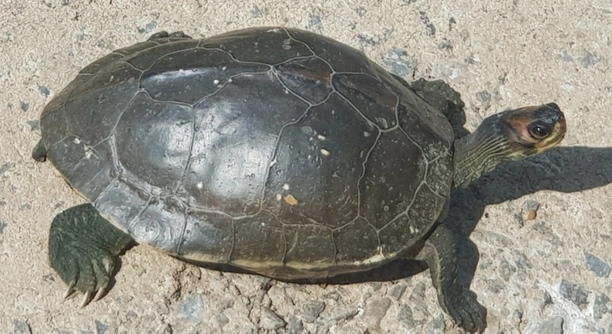
Indian Roofed Tortoises are fascinating creatures, and their diet plays a crucial role in their health. If you’re wondering whether these tortoises can eat dairy, it’s important to understand how certain foods can affect them.
Indian Roofed Tortoises should not consume dairy. Dairy products can cause digestive issues and may lead to health problems like diarrhea or stomach discomfort. These tortoises’ digestive systems are not designed to process lactose or dairy proteins.
Dairy may seem like an innocent treat, but it can lead to digestive upset in Indian Roofed Tortoises. It’s essential to know what to avoid when feeding them.
Why Dairy Is Harmful to Indian Roofed Tortoises
Indian Roofed Tortoises are herbivores, which means their diet mainly consists of plants. Their digestive systems are specially adapted to process leafy greens, flowers, and grasses. Dairy products, on the other hand, are not part of their natural diet. When consumed, dairy can create several issues. These tortoises do not have the enzymes needed to break down lactose, which is found in most dairy products. As a result, consuming dairy can cause discomfort, digestive issues, or even more serious health concerns over time. It’s best to avoid introducing any form of dairy to their diet for the sake of their well-being.
Dairy can upset their sensitive stomachs, leading to symptoms like bloating or diarrhea. Since tortoises rely on a high-fiber, plant-based diet to thrive, dairy products can disrupt this delicate balance.
For a healthier tortoise, it’s essential to stick to a more suitable diet. Focusing on a variety of leafy greens, such as dandelion greens, collard greens, and some fruits, will keep your Indian Roofed Tortoise nourished. Dairy may seem harmless, but it can introduce unnecessary risks. Regularly providing safe, plant-based food sources is vital to maintaining their health. Always ensure that their meals match their natural feeding habits to avoid complications. Consistently offering a proper diet will promote a longer and happier life for your tortoise.
What to Do if Your Tortoise Eats Dairy
If your tortoise has accidentally consumed dairy, it’s essential to monitor for any signs of digestive distress. Keep a close eye on their behavior, watching for symptoms such as lethargy or changes in their stool. If you notice anything unusual, it’s best to consult a vet.
If your Indian Roofed Tortoise consumes dairy, stop offering any more dairy products and offer a gentle, plant-based diet. Depending on the amount ingested, the effects may range from mild discomfort to more severe digestive issues. To help your tortoise recover, provide fresh water and ensure they have access to their regular greens. A vet may recommend specific treatments or dietary adjustments if symptoms persist. The key is not to panic but to monitor them closely, as most minor cases will resolve once dairy is removed from their diet.
Signs of Dairy-Induced Digestive Issues
If your Indian Roofed Tortoise has eaten dairy, you’ll likely notice some changes in their behavior or health. The most common signs are diarrhea or bloating. You might also see them becoming more lethargic than usual.
Diarrhea is often the first sign that something has upset their stomach. Tortoises may also show discomfort by moving slowly or avoiding food. If they refuse to eat or seem unwell, these are clear signals that their body is struggling to process the dairy. In severe cases, they might even experience dehydration due to the fluid loss caused by diarrhea. Keep track of their behavior and consult a vet if these symptoms persist for more than a day or two.
Lethargy is another sign that can’t be ignored. Dairy consumption can make your tortoise feel sluggish and weak. Their digestive system may be under stress, and they might not have the energy to move around as much. If this happens, remove any dairy from their environment immediately and provide them with plenty of fresh water to stay hydrated.
What to Feed Instead of Dairy
To ensure your tortoise stays healthy, focus on providing them with a diet that mimics their natural feeding habits. Leafy greens like collard greens and dandelion leaves are perfect for them.
Fruits and flowers are great additions, but they should be offered in moderation. Tortoises also enjoy occasional treats like squash and carrots, though these should not replace their regular meals. A variety of plant-based food ensures they receive the nutrients they need. Fresh, clean water should always be available to keep them hydrated. Their digestive systems thrive on fiber, so providing a consistent supply of high-quality, natural foods will help keep them in good health.
Some tortoises also enjoy plant-based protein sources, such as clover or grass, which can be given along with their regular greens. While dairy should be avoided at all costs, these alternatives are better suited to their digestive systems and offer plenty of essential nutrients without the risks associated with dairy.
Potential Long-Term Effects of Dairy Consumption
Regularly feeding dairy to your tortoise can lead to long-term digestive issues. The lack of proper enzymes to break down dairy can cause ongoing stomach discomfort and imbalances in their gut.
Over time, these digestive problems can weaken their overall health. If not addressed, it may lead to more serious issues, such as malnutrition or dehydration. Repeated exposure to dairy can also affect their ability to properly absorb nutrients from their regular plant-based diet, potentially stunting growth or causing shell deformities.
Monitoring Your Tortoise’s Health After Dairy
After your tortoise consumes dairy, it’s crucial to monitor their behavior closely. Pay attention to their activity levels, eating habits, and stool consistency for a few days.
If symptoms like diarrhea or lethargy persist, consult a vet for further advice. Your vet can provide specific treatments to help your tortoise recover and ensure they remain healthy. Keeping a log of your tortoise’s diet and any symptoms will help the vet make an accurate diagnosis.
FAQ
Can Indian Roofed Tortoises eat cheese?
No, Indian Roofed Tortoises should not eat cheese. Like other dairy products, cheese contains lactose, which they cannot digest. It can cause stomach discomfort, diarrhea, or dehydration. Their digestive system is not built to process dairy, and eating cheese can lead to long-term health problems. Stick to plant-based foods for their well-being.
Is it safe to give Indian Roofed Tortoises yogurt?
No, yogurt is also not safe for Indian Roofed Tortoises. It’s a dairy product and contains lactose, which can lead to digestive issues. While some animals can tolerate small amounts of yogurt, it is best to avoid it altogether for tortoises. Their systems are designed for a herbivorous diet, and dairy does not fit into it.
What should I do if my tortoise accidentally eats dairy?
If your tortoise accidentally eats dairy, monitor them closely for any signs of digestive problems like diarrhea, bloating, or lethargy. Remove any dairy products immediately and provide a fiber-rich, plant-based diet. Ensure they have plenty of fresh water to stay hydrated. If symptoms persist, consult a vet to ensure proper recovery.
Can Indian Roofed Tortoises eat fruits?
Yes, Indian Roofed Tortoises can eat certain fruits in moderation. Safe fruits include apples, strawberries, and melons. However, fruits should be offered as a treat, not as a primary food source. Too much fruit can upset their digestive system because of its high sugar content. Always ensure the fruit is properly washed and cut into small pieces to prevent choking.
Can Indian Roofed Tortoises eat vegetables?
Yes, vegetables make up a large part of the diet of Indian Roofed Tortoises. They enjoy leafy greens like dandelion greens, collard greens, and turnip greens. Vegetables like squash, carrots, and bell peppers can also be offered occasionally. Make sure to provide a variety of vegetables to ensure they get all the nutrients they need. Avoid feeding them vegetables like spinach, which can interfere with calcium absorption.
Are there any foods I should avoid feeding my tortoise?
Yes, there are several foods you should avoid. Tortoises should never eat dairy products, such as milk, cheese, or yogurt. Avoid feeding them foods high in oxalates, like spinach and beet greens, as they can cause kidney problems over time. Additionally, avoid high-protein foods, like meat, which are not suitable for herbivores. Also, steer clear of processed or sugary foods that offer little nutritional value and can cause long-term health issues.
Can Indian Roofed Tortoises eat seeds or nuts?
Indian Roofed Tortoises should not eat seeds or nuts. Nuts are high in fat and can upset their digestive system, while seeds may be too small and can pose a choking hazard. These foods don’t align with their natural herbivorous diet. Stick to plant-based foods such as grasses, flowers, and leafy greens instead.
How much should I feed my Indian Roofed Tortoise?
The amount you feed your tortoise depends on their age, size, and activity level. As a general guideline, adult tortoises should be fed once a day, with their food offering comprising about 80% leafy greens and 20% fruits and vegetables. Young tortoises may need smaller, more frequent meals. Always remove any uneaten food after a few hours to avoid spoilage. Adjust portions as needed based on your tortoise’s weight and appetite.
How often should I feed my tortoise?
Adult Indian Roofed Tortoises are usually fed once a day, but younger tortoises may require more frequent meals to support their growth. You can also offer them food every other day, depending on their activity level and health. Always make sure that they have access to fresh, clean water throughout the day. It’s important not to overfeed them, as obesity can be a concern.
Can Indian Roofed Tortoises eat flowers?
Yes, Indian Roofed Tortoises enjoy eating flowers, and they can safely eat many types. Some safe options include hibiscus, dandelions, and clover. However, it is important to avoid flowers that may have been sprayed with pesticides or chemicals. Always ensure that the flowers are non-toxic and have not been treated with any harmful substances. Feeding flowers can offer variety and additional nutrients, making it a fun treat for your tortoise.
Do Indian Roofed Tortoises need supplements?
Indian Roofed Tortoises might need supplements, especially if their diet lacks certain nutrients. For example, calcium supplements can help prevent metabolic bone disease, which is common in tortoises that don’t get enough calcium. You may also need to provide a vitamin D3 supplement if your tortoise does not get enough natural sunlight. However, it’s important to consult with a vet before adding supplements to ensure you’re not over-supplementing, which can cause harm.
How do I know if my tortoise is getting enough calcium?
You can ensure your tortoise gets enough calcium by offering them calcium-rich foods like dandelion greens, collard greens, and certain flowers. It’s also helpful to dust their food with a calcium supplement. You may notice that a lack of calcium can lead to soft or deformed shells. If you are concerned, a vet can perform tests to check for deficiencies and provide guidance on supplementation. Proper UVB lighting is also essential for calcium absorption, so make sure your tortoise gets enough sunlight or artificial UVB exposure.
What should I do if my tortoise is not eating?
If your tortoise refuses to eat, it could be due to several factors, such as stress, changes in environment, or illness. Ensure that the temperature and humidity in their habitat are within the correct range. If the conditions are good and they still refuse food, they might be unwell, and a vet visit is recommended. Dehydration or improper diet can also cause loss of appetite, so make sure they have access to clean water and the right foods. A tortoise that refuses to eat for more than a few days may need medical attention.
Final Thoughts
Feeding an Indian Roofed Tortoise requires careful attention to their dietary needs. Since they are herbivores, their digestive systems are designed to handle plant-based foods like leafy greens, vegetables, and certain fruits. Dairy products, such as milk, cheese, and yogurt, should never be part of their diet, as they can cause digestive issues. Tortoises lack the necessary enzymes to process lactose, and consuming dairy can lead to discomfort, diarrhea, and other digestive problems. It’s important to stick to the foods they are naturally suited to eat to avoid any potential health risks.
While it might seem tempting to offer your tortoise a variety of foods, it’s essential to be mindful of what is safe for them. Over time, feeding them foods that aren’t suitable for their digestive systems, like dairy or high-protein foods, can lead to long-term health issues. For instance, dairy can cause malnutrition and dehydration, and feeding them improper foods can affect their ability to absorb nutrients. Staying within their natural dietary range ensures that they remain healthy, grow properly, and avoid digestive complications. The right balance of leafy greens, safe fruits, and occasional vegetables will help your tortoise live a longer, healthier life.
By following a proper diet and avoiding harmful foods like dairy, you can support your Indian Roofed Tortoise’s well-being. If you’re ever unsure about what to feed your tortoise, it’s best to consult a veterinarian or a tortoise care expert. Their advice can help you fine-tune your tortoise’s diet and provide guidance on supplementation if necessary. A healthy tortoise will thrive on a diet designed for its natural needs, so always prioritize safe, plant-based foods. In the end, making sure your tortoise eats properly is one of the best ways to show care and ensure their health.

Hello,
If you enjoy the content that we create, please consider saying a "Thank You!" by leaving a tip.
Every little bit helps us continue crafting quality advice that supports the health, happiness, and well-being of pets around the world, for pets of all shapes, sizes, and species.
We really appreciate the kindness and support that you show us!