
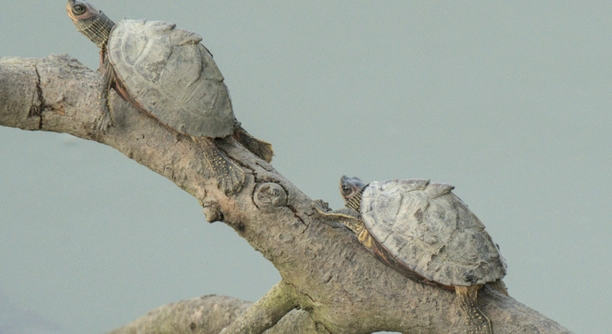
Indian Roofed Tortoises are one of the many fascinating species of tortoises found across the globe. Their unique characteristics make them stand out from other tortoises. Let’s explore why they are so special.
Indian Roofed Tortoises are distinguished by their unique shell shape and behavior, which set them apart from other tortoises. Their domed shell has a raised ridge, and they are known for their ability to adapt to a variety of environments.
These tortoises possess distinct traits that make them intriguing. Their habitat preferences, diet, and behaviors are part of what makes them unique among their kind.
Unique Shell Structure
Indian Roofed Tortoises have a noticeable shell shape that differentiates them from other species. Their shell is more dome-shaped, with a distinct ridge that runs down the middle. This ridge is where the name “roofed” comes from, as it gives their shell a roof-like appearance. The shell serves as an essential defense mechanism, offering protection from predators and harsh weather. Unlike some other tortoises, their shells are not smooth but are ridged, making them stand out in the tortoise family. The shape and structure of the shell also play a role in how they move and adapt to their surroundings, making them highly resilient creatures.
Their shell is not just for protection; it plays a key role in their overall health. The shape helps in controlling temperature regulation, which is vital in the hot, dry environments they often live in. This feature sets them apart from tortoises living in more humid areas with different shell structures.
The hard, raised shell also acts as a barrier to moisture loss. In the wild, where conditions can be harsh, this feature helps them survive in areas that other species may find difficult to endure. It’s one of the reasons the Indian Roofed Tortoise is so adaptable.
Behavior and Habitat Preferences
Indian Roofed Tortoises can thrive in both dry and semi-arid environments.
They are typically found in open grasslands, forests, and scrublands across India and Sri Lanka. This flexibility in habitat choices allows them to avoid areas that are too flooded or overly dry. Their ability to adapt to various climates is one of the factors contributing to their survival in diverse conditions.
Indian Roofed Tortoises are relatively active, often exploring their environment for food. Their habits make them well-suited to the habitats they occupy. They also exhibit behaviors like climbing over rocks and logs, which are rare among other tortoises. These adaptations are key to their survival and help them stand apart from other species.
Diet and Feeding Habits
Indian Roofed Tortoises are mostly herbivores, feeding on a variety of plants.
Their diet consists of grasses, fruits, flowers, and leaves. They are known to consume a wide range of vegetation depending on what is available in their environment. Their ability to adapt to different food sources helps them survive in diverse habitats. In the wild, they have a more varied diet compared to those kept in captivity. This variety is essential for their nutritional needs, providing a balance of vitamins and minerals.
In captivity, their diet needs to be carefully managed. While they may eat similar plants to those in the wild, providing the right variety ensures they receive all the nutrients required for healthy growth and maintenance. Some owners may also provide them with vitamin supplements to ensure they stay strong and active.
Reproductive Behavior
Indian Roofed Tortoises have a unique approach to reproduction.
Their mating season usually occurs during the warmer months. During this time, males display more aggressive behaviors to win over females, including chasing and pushing. After successful mating, the female will search for a suitable nesting site, usually in dry, sandy areas. She will lay her eggs, which are typically buried deep in the ground to protect them from predators and environmental factors.
After hatching, baby tortoises must find their way to the safety of the surrounding vegetation. This challenging journey ensures that only the strongest survive and contribute to the population. These reproductive habits are vital to maintaining their numbers in the wild, as the survival rate for hatchlings is low.
Lifespan and Longevity
Indian Roofed Tortoises have a relatively long lifespan.
They can live up to 50 years or more in the wild, with proper care. Their longevity is influenced by their ability to adapt to various environments and survive through challenging conditions. However, their lifespan can be reduced in captivity if not properly cared for.
Their long lifespan is a result of their slow metabolism and ability to withstand periods of food scarcity. They are also less prone to diseases, which contributes to their durability. In the wild, these tortoises can live out their natural life cycles without major threats from predators, further extending their longevity.
Conservation Status
Indian Roofed Tortoises are not currently endangered.
However, they face threats due to habitat destruction and illegal pet trade. Conservation efforts are necessary to maintain healthy populations, especially in areas where human activity is increasing. With proper protection, their numbers can remain stable for years to come.
Interaction with Humans
Indian Roofed Tortoises can be social with humans when kept as pets.
They can recognize their caretakers and may even come to the person for food or interaction. These tortoises are known for their calm temperament, making them relatively easy to handle. However, they should always be treated with respect and care, as too much handling can cause stress.
FAQ
How big do Indian Roofed Tortoises get?
Indian Roofed Tortoises typically reach sizes between 8 to 12 inches in length, with males generally being smaller than females. Their shell shape also adds to their overall size, with a domed structure that can make them appear bulkier. Their size is a key factor in determining their habitat needs and diet. As they grow, they require more space and a suitable environment to stay healthy.
What is the ideal habitat for an Indian Roofed Tortoise?
Indian Roofed Tortoises prefer dry, semi-arid, and open grassland environments. They can also adapt to forested areas with moderate vegetation. It’s important to provide them with an area that mimics their natural habitat, including access to shade, water, and spaces to explore. Creating a habitat with rocks, logs, and some areas of greenery will help replicate the wild conditions they are accustomed to.
How often should Indian Roofed Tortoises be fed?
Indian Roofed Tortoises should be fed daily. Their diet mainly consists of grasses, leafy greens, flowers, and some fruits. It’s important to provide them with a variety of foods to ensure they receive all the necessary nutrients. Fresh water should always be available, and they should be fed at the same time each day to maintain a consistent routine. However, overfeeding should be avoided to prevent obesity.
Can Indian Roofed Tortoises live with other pets?
It is generally not recommended to house Indian Roofed Tortoises with other pets, especially smaller or more active animals. They can sometimes become stressed by the presence of other pets. Tortoises need their own space to move freely and feel secure. If kept with other animals, ensure that the tortoise’s habitat is large enough to avoid direct contact, and monitor closely to avoid any potential harm.
How do I care for an Indian Roofed Tortoise in captivity?
Caring for an Indian Roofed Tortoise involves ensuring they have a suitable habitat with proper temperature, humidity, and food. They need a warm environment, ideally between 75°F and 85°F, with access to a cooler area for regulation. UVB lighting is essential for shell and bone health, especially if kept indoors. Their habitat should also have a dry substrate, with a shallow water dish for drinking and occasional soaking.
What kind of enclosure do Indian Roofed Tortoises need?
For a single Indian Roofed Tortoise, an enclosure should be at least 4 feet long and 2 feet wide. It should be large enough for them to move around comfortably. An outdoor pen with a secure fence can be ideal, but it must protect them from predators and provide enough space for them to roam. Indoors, a large terrarium with proper lighting, heating, and humidity control is necessary.
Are Indian Roofed Tortoises good pets?
Indian Roofed Tortoises can make good pets for those who are prepared to meet their specific care requirements. They are relatively low-maintenance compared to other animals but still require attention to their habitat, diet, and health needs. They are calm, slow-moving creatures that can live for many years. However, their needs for space, temperature control, and diet must be consistently met to keep them healthy and happy.
What do Indian Roofed Tortoises eat in the wild?
In the wild, Indian Roofed Tortoises primarily feed on grasses, flowers, and fruits. They are opportunistic feeders, and their diet can vary depending on what is available in their habitat. They may also consume leaves and small plants, and their diet can change with the seasons. They are known to be excellent foragers and can survive in dry conditions by eating whatever vegetation they can find.
How can I tell if my Indian Roofed Tortoise is healthy?
A healthy Indian Roofed Tortoise will have a clear, bright-eyed appearance, a smooth and intact shell, and active movements. Their shell should not have any soft spots, cracks, or signs of injury. A healthy tortoise will also be eating regularly and staying hydrated. If your tortoise seems lethargic, refuses food, or has abnormal discharges from their eyes or nose, it could be a sign of illness and should be addressed with a veterinarian.
Do Indian Roofed Tortoises need UVB light?
Yes, UVB lighting is essential for Indian Roofed Tortoises, especially if they are kept indoors. UVB light helps them produce vitamin D3, which is vital for calcium absorption and overall shell and bone health. Without adequate UVB light, tortoises can suffer from metabolic bone disease, which can cause deformities in their shell and legs. A UVB light bulb should be replaced every six months, as its effectiveness decreases over time.
How long do Indian Roofed Tortoises live?
Indian Roofed Tortoises have a long lifespan, often living 50 years or more in the wild when properly cared for. In captivity, their lifespan can be slightly shorter if their environment and care are not ideal. Providing a suitable diet, appropriate habitat, and regular veterinary care will ensure they live a long and healthy life. Their slow growth rate and low metabolism contribute to their ability to live for decades.
Do Indian Roofed Tortoises need to hibernate?
Unlike some other tortoise species, Indian Roofed Tortoises do not have a strict hibernation period. They can continue to be active year-round, as long as the conditions in their environment are appropriate. However, they may slow down during the cooler months, especially in the wild, where they will often seek shelter during extreme weather. In captivity, it’s essential to maintain a steady temperature and light cycle to prevent them from becoming too lethargic.
What temperature should I keep my Indian Roofed Tortoise at?
Indian Roofed Tortoises need a warm environment to thrive. The ambient temperature of their enclosure should be kept between 75°F and 85°F during the day. A basking spot with temperatures around 90°F is ideal for them to warm up and digest their food. At night, the temperature can drop to around 70°F. It’s important to avoid extreme temperature fluctuations, as they can cause stress or health issues.
How can I breed Indian Roofed Tortoises?
Breeding Indian Roofed Tortoises requires a proper understanding of their mating behaviors and habitat needs. Males will often engage in displays of aggression and chasing during the mating season. Providing a large, secure enclosure with areas for the female to dig nests is essential. After mating, females will lay eggs in the soil, which need to be kept warm and humid to ensure successful hatching. It’s important to keep track of their reproductive cycles to ensure a healthy breeding process.
What diseases are common in Indian Roofed Tortoises?
Indian Roofed Tortoises are susceptible to various diseases, including respiratory infections, shell rot, and metabolic bone disease. Poor diet, unsanitary conditions, or improper temperatures can contribute to these health issues. It’s essential to maintain a clean habitat, provide proper UVB lighting, and ensure a balanced diet to prevent these common problems. Regular checkups with a reptile veterinarian will help keep your tortoise healthy.
Final Thoughts
Indian Roofed Tortoises are fascinating creatures with distinct features that set them apart from other tortoises. Their unique shell, which has a raised ridge, is one of the most recognizable aspects of their appearance. They are also adaptable animals, capable of living in a variety of habitats, from grasslands to forested areas. This adaptability extends to their diet, where they consume a variety of plants, including grasses, flowers, and fruits. Their calm nature and ability to interact with humans make them appealing to those who are interested in keeping them as pets. However, owning an Indian Roofed Tortoise requires a commitment to providing the proper care they need to thrive.
One of the key factors in ensuring the well-being of an Indian Roofed Tortoise is providing an appropriate environment. They need a habitat that mimics their natural surroundings, with access to both warm and cooler areas. The right temperature, humidity levels, and UVB lighting are essential for their health. A proper diet consisting of leafy greens, grasses, and fruits will help them stay healthy and strong. It’s also important to offer a safe space where they can roam freely and interact with their environment. While these tortoises are relatively low-maintenance compared to other pets, their needs for space, diet, and healthcare should not be overlooked.
In conclusion, Indian Roofed Tortoises make excellent pets for those willing to meet their specific needs. Their long lifespan, adaptability, and calm demeanor make them enjoyable companions, but they are not suitable for everyone. Potential owners should be prepared to create a suitable habitat, provide proper nutrition, and ensure they receive the necessary care throughout their lives. With the right environment and attention, Indian Roofed Tortoises can thrive and offer years of companionship to their owners. Understanding their natural habits and behaviors is key to maintaining their health and happiness, ensuring they live a long and healthy life.

Hello,
If you enjoy the content that we create, please consider saying a "Thank You!" by leaving a tip.
Every little bit helps us continue crafting quality advice that supports the health, happiness, and well-being of pets around the world, for pets of all shapes, sizes, and species.
We really appreciate the kindness and support that you show us!