
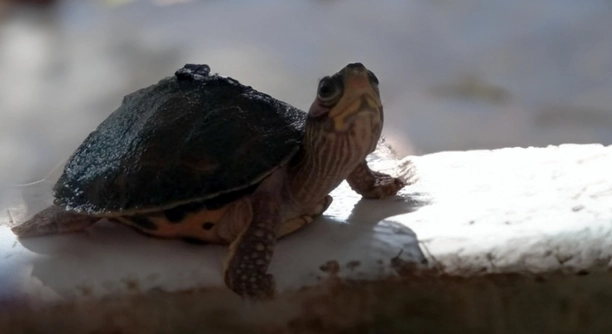
Is your Indian Roofed Tortoise’s water always cloudy, making it difficult to maintain a clean and healthy habitat? Cloudy water can be frustrating, but understanding the causes can help you keep your pet’s environment fresh and clear.
The most common reason for cloudy water in an Indian Roofed Tortoise’s tank is uneaten food and waste buildup. Organic matter decomposes in the water, encouraging bacterial growth and reducing water clarity. Inadequate filtration and infrequent water changes further contribute to the issue.
Maintaining a clean tank is essential for your tortoise’s well-being. Exploring the factors behind cloudy water can help you improve filtration, adjust feeding habits, and create a healthier environment for your pet.
Common Causes of Cloudy Water
A dirty tank can make it harder for your Indian Roofed Tortoise to stay healthy. One of the main reasons for cloudy water is leftover food breaking down. If uneaten food stays in the tank, it decays and encourages bacterial growth. Waste buildup also affects water clarity. Tortoises produce waste regularly, and without proper filtration, it quickly accumulates. Poor water circulation can make the problem worse, allowing debris to settle. Another factor is algae growth. Too much light and excess nutrients in the water can lead to algae blooms, making the tank appear cloudy.
Using a weak filter can contribute to murky water. A good filter helps remove particles, but if it’s too small or not maintained, it won’t work effectively. Without proper filtration, organic matter stays in the water longer, affecting its clarity.
Understanding what causes cloudy water can help you adjust your cleaning routine, feeding habits, and filtration system.
How to Keep the Water Clean
Regular tank maintenance is the key to keeping the water clear. Removing uneaten food quickly and cleaning waste buildup will reduce cloudiness and improve water quality. A balanced feeding routine also helps, as overfeeding can lead to excess waste.
A strong filtration system is essential for maintaining a clean environment. Choose a filter that matches the tank size and supports biological, mechanical, and chemical filtration. Regularly cleaning or replacing filter media will help it function properly. Partial water changes are also necessary. Replacing 25-30% of the water weekly helps control bacteria and removes waste particles. Reducing algae growth by limiting light exposure and controlling nutrients in the water can further prevent cloudiness.
A clean habitat helps your tortoise stay happy and healthy. With the right maintenance routine, you can keep the water clear and create a comfortable space for your pet.
Importance of Water Changes
Frequent water changes help maintain water clarity and reduce harmful bacteria. When water sits too long, waste and uneaten food break down, making the tank cloudy. Changing a portion of the water removes these particles and keeps the environment healthier for your tortoise.
Replacing 25-30% of the tank water every week helps control waste buildup. Use dechlorinated water to prevent harmful chemicals from affecting your tortoise. Cleaning the substrate during water changes removes trapped debris that contributes to cloudiness. A siphon can make the process easier by pulling out waste from hard-to-reach areas.
Neglecting water changes can lead to ammonia buildup, which affects your tortoise’s health. Poor water quality can cause skin irritation and shell problems. Establishing a routine will make maintenance easier and ensure the tank stays clean. Small, consistent efforts help maintain a clear and safe habitat for your pet.
Choosing the Right Filter
A proper filtration system helps remove waste and keeps the water clear. A filter that is too weak won’t effectively clean the tank, leading to murky conditions. Choose a filter designed for your tank’s size to ensure it can handle your tortoise’s needs.
There are three main types of filtration: mechanical, biological, and chemical. Mechanical filtration traps debris and prevents waste buildup. Biological filtration supports beneficial bacteria that break down harmful toxins. Chemical filtration removes impurities and keeps the water balanced. A good filter combines these methods for the best results. Regularly cleaning or replacing filter media helps the system function properly.
Investing in a high-quality filter reduces maintenance and improves water quality. Keeping the filter in good condition ensures your tortoise has a clean and healthy living space. A well-maintained system will save time and effort while keeping the tank clear.
Proper Feeding Habits
Overfeeding leads to excess waste, which can make the water cloudy. Feed your tortoise the right amount based on its size and age. Uneaten food should be removed quickly to prevent it from breaking down and affecting water quality. Stick to a consistent feeding schedule to avoid overfeeding.
A balanced diet helps keep the tank clean. Offer a mix of leafy greens, vegetables, and occasional protein sources. Avoid giving too much food at once, as leftover pieces will decay in the water. Feeding your tortoise outside the tank can also help reduce mess and improve water clarity.
Managing Algae Growth
Too much light and excess nutrients in the water encourage algae growth. Keeping the tank away from direct sunlight and using a timer for artificial lighting can help control algae. Reducing uneaten food and waste also limits the nutrients that algae need to thrive.
Cleaning the Tank Regularly
A consistent cleaning routine prevents cloudiness and keeps the water fresh. Removing debris, scrubbing algae off surfaces, and rinsing decorations will help maintain a clear environment. A clean tank reduces the risk of bacteria buildup and creates a healthier space for your tortoise.
FAQ
Why does my tortoise’s water get cloudy so quickly?
Cloudy water develops quickly due to leftover food, waste, and poor filtration. If uneaten food sits too long, it starts to break down, encouraging bacterial growth. Waste from your tortoise also builds up, especially in smaller tanks. A weak or clogged filter won’t remove debris efficiently, leading to murky water. Regular water changes, proper filtration, and cleaning uneaten food will help keep the water clear.
How often should I clean my tortoise’s tank?
A full tank cleaning isn’t needed too often, but partial maintenance should be done regularly. Changing 25-30% of the water every week helps maintain clarity and prevent bacteria buildup. The filter should be checked and cleaned every two to four weeks to ensure it works properly. Algae growth, decorations, and the tank walls should be scrubbed as needed to prevent excessive buildup.
Can I use tap water in my tortoise’s tank?
Tap water is safe if treated properly. Most tap water contains chlorine or chloramines, which can harm your tortoise. Using a water conditioner removes these chemicals, making the water safe. If your area has hard water with high mineral content, it may leave residue in the tank, requiring more frequent cleaning.
What type of filter is best for an Indian Roofed Tortoise?
A strong canister or internal filter is ideal for keeping the water clean. Canister filters offer better filtration by combining mechanical, biological, and chemical methods, making them suitable for larger tanks. Internal filters work well for smaller setups but need frequent maintenance. Choosing a filter rated for a tank size larger than yours ensures better performance.
Why does my tank smell bad along with being cloudy?
A bad smell usually means waste and bacteria have built up. Uneaten food and tortoise waste release ammonia, which leads to foul odors. Dirty filters can also trap debris and cause a strong smell. Regular water changes, cleaning the substrate, and keeping the filter maintained will help control odors and water clarity.
How can I stop algae from growing in my tortoise’s tank?
Algae growth is common in tanks with too much light and excess nutrients. Keep the tank away from direct sunlight and use a timer for artificial lights, limiting exposure to 8-10 hours a day. Reducing waste and uneaten food also helps prevent algae by limiting nutrients. Scrubbing the tank walls and decorations will keep algae from spreading.
Is it safe to use chemical water clarifiers?
Chemical water clarifiers can provide a quick fix, but they don’t solve the underlying problem. These treatments bind particles together, making it easier for the filter to remove them. However, they don’t remove waste or bacteria that cause cloudiness. Regular cleaning, proper filtration, and water changes are safer and more effective long-term solutions.
Does the tank size affect water clarity?
Smaller tanks get dirty faster because waste and food break down more quickly in a limited space. Larger tanks dilute waste better, making it easier to maintain clear water. A spacious tank with a strong filter reduces the chances of frequent cloudiness and requires less maintenance.
Can I use live plants to help keep the water clean?
Live plants can improve water quality by absorbing excess nutrients, reducing algae growth, and providing natural filtration. Hardy aquatic plants like anacharis or hornwort work well in tortoise tanks. However, some tortoises may nibble on plants, so choose species that are safe if eaten.
How can I reduce the maintenance needed to keep the water clear?
A strong filter, proper feeding habits, and a regular cleaning routine will reduce maintenance. Using a filter with biological, chemical, and mechanical filtration ensures waste is removed efficiently. Feeding your tortoise outside the tank or removing uneaten food quickly prevents excess waste. Performing small, frequent water changes helps maintain clarity without needing major cleanings.
Final Thoughts
Keeping your Indian Roofed Tortoise’s water clean takes effort, but it becomes easier with a good routine. Uneaten food, waste buildup, and poor filtration are the main reasons for cloudy water. Regular tank maintenance, proper feeding habits, and a strong filtration system help maintain a clean and healthy environment. Partial water changes every week prevent waste from accumulating, and choosing the right filter ensures debris and toxins are removed effectively. Small adjustments in your care routine can make a big difference in water clarity and overall tank conditions.
A clean habitat is important for your tortoise’s well-being. Cloudy water is not just an aesthetic issue—it can lead to harmful bacteria and poor water quality, which may affect your pet’s health. A strong filtration system, limited light exposure, and proper tank cleaning help prevent algae growth and waste buildup. Monitoring water quality and making small changes when needed will ensure your tortoise stays comfortable and safe. Simple steps like feeding the right amount and removing uneaten food quickly can go a long way in reducing maintenance and keeping the water fresh.
Consistency is the key to maintaining a clear and healthy tank. Taking the time to check on your tortoise’s environment regularly will help prevent bigger issues in the future. A well-maintained tank not only looks better but also provides a safer home for your pet. With the right balance of filtration, cleaning, and feeding habits, you can keep the water clear and enjoy watching your tortoise thrive in a clean habitat.

Hello,
If you enjoy the content that we create, please consider saying a "Thank You!" by leaving a tip.
Every little bit helps us continue crafting quality advice that supports the health, happiness, and well-being of pets around the world, for pets of all shapes, sizes, and species.
We really appreciate the kindness and support that you show us!