
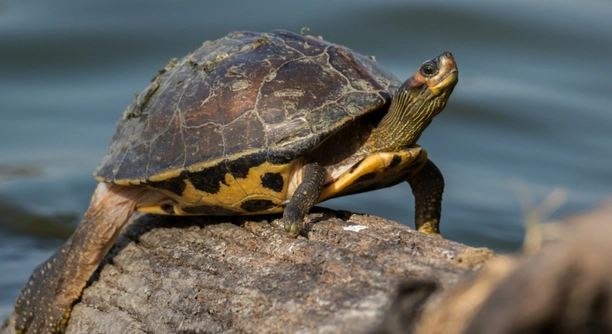
If your Indian Roofed Tortoise is limping, it’s important to address the issue quickly. Limping can be caused by various factors, and identifying the right one will help you ensure your tortoise’s health and well-being.
The primary cause of limping in Indian Roofed Tortoises is often related to injuries, such as sprains or fractures. Infections, poor diet, and environmental stress can also lead to limping. Early diagnosis and treatment are crucial for recovery.
Understanding the reasons behind your tortoise’s limp will help you manage its recovery effectively. Proper care and attention are key to improving its health.
Common Causes of Limping in Indian Roofed Tortoises
Limping in Indian Roofed Tortoises can be caused by a variety of factors. Physical injuries, such as sprains or fractures, are among the most common causes. These injuries can occur when the tortoise falls, bumps into objects, or experiences stress. Infections, such as abscesses or fungal growths, can also result in limping. Additionally, improper care or an inadequate diet may weaken the tortoise’s shell and bones, increasing the risk of injury or infection. A poor environment, including unsuitable temperatures or improper humidity levels, can stress the tortoise and affect its mobility. Identifying the root cause of the limp is essential for proper treatment.
Sometimes, a small injury or mild infection can cause a noticeable limp. However, the problem may worsen if not treated promptly. Make sure to inspect your tortoise’s habitat regularly to ensure the conditions are suitable for its health.
Taking care of an injured or ill tortoise requires prompt attention. An early diagnosis will increase the chances of a successful recovery. If the tortoise’s condition does not improve, seeking veterinary care is crucial. They can provide proper medication and guidance on rehabilitation. Treating infections and injuries early can prevent long-term complications. In cases where the tortoise is in severe pain, medication may be necessary to relieve discomfort and help with healing. Proper care can make a significant difference in the tortoise’s quality of life.
Preventing Future Limping Issues
Maintaining a safe environment for your tortoise is essential. Keep obstacles to a minimum in its enclosure and ensure the area is free from hazards.
A balanced diet with sufficient calcium and vitamin D3 is critical for maintaining healthy bones and a strong shell. Providing an appropriate enclosure with proper heating and humidity levels will also prevent stress, which could contribute to limping. Ensure the tortoise has access to clean water and a comfortable space to move freely. By keeping an eye on your tortoise’s overall health and taking preventive measures, you can avoid future problems.
Injuries from Improper Handling
Improper handling can result in injuries, such as sprains or fractures. Tortoises are delicate creatures, and rough handling can cause significant harm. Always lift them gently by supporting their body and shell evenly to prevent strain.
Injuries from improper handling can lead to discomfort and limited mobility. It is essential to avoid dropping them or carrying them by their limbs, as this can cause fractures or dislocations. If you notice your tortoise limping after being handled roughly, consider the possibility of a sprain or break. Checking for signs of swelling or tenderness can help identify the issue.
If you suspect an injury, providing a quiet and safe environment for your tortoise to rest is essential. Limit movement to prevent further stress or damage. In some cases, immobilizing the limb may help reduce pain. If the limp persists or worsens, veterinary attention is necessary to determine the extent of the injury and begin treatment. Rest and proper care will give your tortoise the best chance for a full recovery.
Infections and Abscesses
Infections and abscesses can result from cuts or injuries that aren’t treated promptly. These infections can cause swelling, discomfort, and limping. Tortoises are susceptible to bacterial infections, especially when their shell or skin is damaged.
Abscesses, often caused by infections in the body, can appear as swollen, hard lumps near the limbs. These abscesses can make it difficult for the tortoise to move normally, and the limping may become more pronounced. It is important to check your tortoise regularly for signs of infection or abscesses. If you see any unusual swelling, redness, or discharge, it’s time to seek medical help.
To prevent infections, make sure your tortoise’s habitat is clean and dry. Regularly disinfect its enclosure and provide proper sanitation. Additionally, ensure that the tortoise is fed a well-balanced diet rich in nutrients to maintain a healthy immune system. Timely medical intervention is crucial for treating infections and preventing complications like long-term limping or other health problems.
Poor Diet and Lack of Calcium
A poor diet can weaken your tortoise’s bones, leading to limp or injured limbs. Tortoises require a diet rich in calcium to keep their bones and shell strong. Without sufficient calcium, they can become more prone to fractures or other mobility issues.
Calcium deficiency can be corrected by providing calcium supplements or adding leafy greens like kale, collard greens, and dandelion to their diet. UVB light exposure also helps in calcium absorption. A balanced diet is essential for their overall health.
Stress and Environmental Factors
Stress from poor environmental conditions can cause limping. If the tortoise is exposed to improper temperatures, humidity, or a cramped habitat, it can become stressed, affecting its movement and health.
Ensure the enclosure has the right temperature gradient, with a basking spot that is not too hot. A cool area will allow your tortoise to regulate its body temperature. Proper humidity levels and ample space for roaming can help reduce stress and prevent limping.
FAQ
What should I do if my tortoise is limping?
If your tortoise is limping, it’s important to first check for any visible injuries, such as cuts, swelling, or fractures. If you notice any damage, it’s best to limit its movement to avoid further injury. Make sure the environment is clean and comfortable, with proper temperature and humidity. If the limp persists or worsens, consult a veterinarian who can assess the severity of the injury or infection and provide appropriate treatment.
How can I tell if my tortoise has a broken limb?
A broken limb in a tortoise may be noticeable by swelling, an abnormal position of the leg, or the tortoise favoring one limb while walking. You might also notice a lack of movement or an inability to support its body weight on the injured leg. If you suspect a broken limb, seek immediate veterinary care to confirm the diagnosis and discuss treatment options.
How long does it take for a tortoise to recover from an injury?
The recovery time for a tortoise will depend on the severity of the injury. Minor injuries, such as sprains, may take a few days to a week to heal with rest. More severe injuries like fractures may take several weeks or even months. Always follow the veterinarian’s advice for care and monitoring during the recovery process.
Can a tortoise recover from an infection?
Yes, a tortoise can recover from an infection if treated properly and promptly. Infections, especially those in the limbs or shell, can be serious if not addressed. Veterinarians will likely prescribe antibiotics or other medications to fight the infection. Keeping the tortoise in a clean, dry environment will also aid in recovery.
How can I prevent my tortoise from limping?
To prevent limping, it’s important to maintain a clean and safe environment for your tortoise. Ensure that its enclosure is free of sharp objects and obstacles that could cause injury. Regularly inspect your tortoise’s habitat to ensure it is free from dirt and bacteria. Providing a proper diet, including calcium-rich foods, and maintaining correct temperature and humidity levels also play a vital role in preventing injuries and promoting healthy movement.
What are the signs of stress in a tortoise?
Signs of stress in a tortoise include changes in eating habits, decreased activity levels, excessive hiding, or aggressive behavior. A stressed tortoise may also have an unwillingness to move or may begin limping due to environmental factors. To reduce stress, ensure the enclosure is spacious, with a proper temperature gradient and humidity level.
Is it safe to handle a limping tortoise?
If your tortoise is limping, it’s best to limit handling until it recovers. Handling can cause further stress or aggravate the injury. If you need to move it, do so gently by supporting its body evenly and avoiding pressure on the injured limb. Only handle it for necessary purposes like cleaning or feeding.
What can I do to treat a swollen limb on my tortoise?
If your tortoise has a swollen limb, the first step is to carefully examine the area for any signs of injury or infection. Soak the tortoise in warm water to help reduce swelling and promote healing. If the swelling persists or appears to be related to an infection, consult a veterinarian for advice and possible medication.
Can a tortoise get arthritis?
Yes, tortoises can develop arthritis, especially as they age. Arthritis can cause stiffness and limping. If you notice that your tortoise has difficulty moving or appears to have joint pain, consult a veterinarian. Arthritis is typically managed with medication and environmental modifications to ensure comfort and mobility.
What foods should I avoid feeding my tortoise to prevent health problems?
Avoid feeding your tortoise foods high in oxalates, such as spinach, as they can interfere with calcium absorption and cause kidney issues. Processed foods, dairy, and human food should also be avoided. Stick to a varied diet of leafy greens, vegetables, and some fruits to maintain overall health.
Final Thoughts
Caring for an Indian Roofed Tortoise requires attention to detail and a commitment to maintaining their health and well-being. Limping in tortoises can be caused by various factors, including injury, poor diet, infections, and environmental stress. Identifying the root cause is crucial for ensuring that your tortoise recovers fully. With proper care, most tortoises can recover from minor injuries or issues, but more serious problems will require veterinary assistance.
Prevention is always better than treatment, so it’s essential to create a safe and clean environment for your tortoise. Regularly checking the enclosure for hazards, maintaining proper temperature and humidity levels, and ensuring a balanced diet will go a long way in preventing health issues like limping. Providing your tortoise with a healthy and stress-free living environment can help them live longer, healthier lives, reducing the likelihood of physical problems.
Finally, always stay observant of any changes in your tortoise’s behavior. If they show signs of limping or difficulty moving, don’t hesitate to act quickly. Early intervention can often prevent more severe issues from developing. Whether it’s adjusting their diet, improving their habitat, or seeking veterinary care, taking prompt action will give your tortoise the best chance for a full recovery.

Hello,
If you enjoy the content that we create, please consider saying a "Thank You!" by leaving a tip.
Every little bit helps us continue crafting quality advice that supports the health, happiness, and well-being of pets around the world, for pets of all shapes, sizes, and species.
We really appreciate the kindness and support that you show us!