
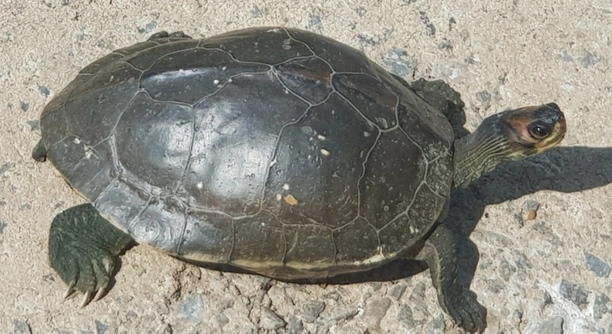
A healthy diet is essential for the well-being of your Indian Roofed Tortoise. Supplements play a crucial role in maintaining proper nutrition and supporting its overall health. This guide will explore the key supplements needed for its diet.
Indian Roofed Tortoises require specific supplements to maintain proper health and nutrition. These supplements ensure balanced calcium and vitamin intake, promoting strong bones and a healthy immune system. Essential supplements include calcium, vitamin D3, and a variety of other minerals and vitamins.
Supplementing your tortoise’s diet can lead to improved health and longevity. Proper knowledge of the right supplements ensures a balanced diet for your tortoise’s overall wellness.
Importance of Calcium for Your Indian Roofed Tortoise
Calcium is one of the most important supplements for an Indian Roofed Tortoise. It supports the development of strong bones and a healthy shell, both of which are essential for its overall health. Without proper calcium intake, your tortoise may develop metabolic bone disease, leading to weakened bones, deformities, and even death. In the wild, tortoises typically receive calcium from natural sources such as plants, insects, and minerals. However, in captivity, they require supplemental calcium to ensure they are getting enough. The proper amount of calcium can be given in the form of calcium powder or cuttlefish bone, both of which can be sprinkled on their food.
Calcium deficiency is one of the most common health issues faced by tortoises. It is crucial to offer this supplement regularly, especially if your tortoise’s diet lacks calcium-rich foods like dark leafy greens.
Offering calcium supplements ensures your tortoise gets the right amount of this vital mineral. Consistency is key, and monitoring your tortoise’s health can help detect any early signs of deficiency, allowing for adjustments before major health concerns arise.
Vitamin D3: Enhancing Calcium Absorption
Vitamin D3 is essential for the proper absorption of calcium. Without it, your tortoise cannot effectively utilize the calcium provided in its diet.
Vitamin D3 supplements help regulate the calcium and phosphorus balance within your tortoise’s body. It can be added in the form of a vitamin D3 powder, or you can use UVB lighting to help your tortoise produce it naturally. UVB light mimics sunlight, allowing your tortoise to synthesize vitamin D3 when exposed to it.
If your tortoise is not exposed to natural sunlight, it’s important to use UVB bulbs specifically designed for reptiles. They should be placed close to your tortoise’s enclosure to ensure they receive the necessary exposure. UVB light helps prevent metabolic bone disease by ensuring vitamin D3 levels remain adequate, allowing calcium to work effectively.
Vitamin A: Supporting Vision and Skin Health
Vitamin A is crucial for your tortoise’s overall health. It supports immune function, vision, and skin health. Vitamin A can be found in various leafy greens like collard greens, mustard greens, and dandelion greens, which are essential for your tortoise’s diet. A deficiency in vitamin A can lead to skin shedding problems and eye issues.
Vitamin A deficiency in tortoises often results in eye problems, such as swelling and discharge, and skin issues like shedding difficulties. To prevent this, ensure that your tortoise receives plenty of vitamin A through its diet, or supplement as needed.
Adding vitamin A to your tortoise’s diet can be easily achieved with proper plant-based foods. Some commercial tortoise diets also contain vitamin A, but it’s essential to balance this with natural sources. Over-supplementation should be avoided as it can lead to toxicity.
Magnesium: A Key Mineral for Muscle and Nerve Function
Magnesium plays a significant role in maintaining muscle function and nerve transmission. This mineral is necessary for proper metabolism, protein synthesis, and healthy bone development.
A magnesium deficiency can lead to muscle weakness, cramping, and difficulty moving. Tortoises obtain magnesium from plant material, including leafy greens and some fruits. It’s important to provide a balanced variety of foods to ensure adequate magnesium levels.
To prevent deficiencies, make sure your tortoise is offered a variety of magnesium-rich foods, such as dandelion greens, clover, and certain vegetables. Adding a magnesium supplement is useful if their diet lacks these foods. Monitoring your tortoise’s muscle function and mobility will help you notice any signs of deficiency.
Phosphorus: Maintaining a Balanced Diet
Phosphorus is another important mineral for your tortoise’s health. It works in conjunction with calcium to build strong bones and maintain overall health. A proper balance between phosphorus and calcium is essential for your tortoise’s well-being.
Phosphorus should be provided in the correct ratio to calcium. Too much phosphorus can lead to calcium imbalance, which can affect bone health. Phosphorus is naturally found in plant-based foods like leafy greens, grains, and certain vegetables. Make sure to offer a variety of these foods to maintain a healthy phosphorus-calcium ratio.
Vitamin C: Strengthening Immunity
Vitamin C is crucial for your tortoise’s immune system. It helps in tissue repair, preventing infections, and supporting overall health. Vitamin C is typically found in leafy greens like kale, collard greens, and other vegetables.
Lack of vitamin C can lead to weak immune function, making your tortoise more prone to infections. Offering a variety of fresh vegetables rich in vitamin C can help prevent deficiencies. It’s important to provide a diet that includes these natural sources of vitamin C.
FAQ
What are the essential supplements for an Indian Roofed Tortoise?
The essential supplements include calcium, vitamin D3, vitamin A, magnesium, phosphorus, and vitamin C. These nutrients help ensure your tortoise has strong bones, a healthy immune system, and proper metabolic function. Without the right balance of supplements, your tortoise may face health issues like shell deformities, eye problems, or weakened muscles.
How do I provide calcium for my tortoise?
Calcium can be given to your tortoise in several ways. One of the most common methods is by sprinkling calcium powder onto their food. You can also offer cuttlefish bone, which is a natural source of calcium. Regular supplementation is necessary, especially if your tortoise is not getting enough calcium from its diet.
Can my tortoise get enough vitamin D3 without supplements?
Yes, vitamin D3 can be provided through natural sunlight. Tortoises synthesize vitamin D3 when exposed to UVB light. If your tortoise is not exposed to natural sunlight, you can use a UVB bulb to help your tortoise produce enough vitamin D3. This is crucial for calcium absorption.
How do I know if my tortoise has a calcium deficiency?
Signs of calcium deficiency include soft or deformed shell, weakness, difficulty walking, and abnormal behavior. If your tortoise shows these signs, it is important to address the issue by increasing calcium in their diet and ensuring proper UVB exposure. Consult a vet for further advice.
Can I over-supplement my tortoise with vitamins or minerals?
Yes, over-supplementation can cause problems. Too much calcium, for instance, can lead to kidney issues, while excessive vitamin A can cause toxicity. It’s essential to follow the recommended dosage and consult a vet if you’re unsure about your tortoise’s supplement needs.
Is magnesium necessary for my tortoise?
Magnesium is an essential mineral that helps with muscle function, nerve transmission, and bone development. If your tortoise’s diet lacks magnesium-rich foods like leafy greens, you can supplement it. However, most tortoises get enough magnesium from a balanced diet of plant-based foods.
What foods are rich in vitamin C for my tortoise?
Foods rich in vitamin C include dark leafy greens like kale, collard greens, and dandelion greens. You can also offer bell peppers and some fruits, such as strawberries and oranges, although fruits should be given in moderation due to sugar content.
How often should I provide supplements to my tortoise?
Supplements should be provided regularly but not excessively. Calcium should be offered at least a few times a week, depending on your tortoise’s diet. Vitamin D3 can be obtained through UVB light exposure, while other vitamins and minerals should be supplemented as needed based on your tortoise’s diet and health.
Can I use commercial tortoise food for supplementation?
Commercial tortoise food often contains added vitamins and minerals, but it may not be enough on its own. It is essential to provide fresh, natural food alongside the commercial diet. Always read the labels of commercial foods to ensure they meet your tortoise’s nutritional needs.
Are there any dangers of improper supplementation?
Improper supplementation can lead to serious health issues. Too much calcium can cause kidney problems, while excessive vitamin A can result in toxicity. On the other hand, a lack of essential nutrients can lead to conditions like metabolic bone disease or weakened immunity. Always follow proper guidelines for supplementation.
Can I use cuttlefish bone for calcium?
Yes, cuttlefish bone is a great source of calcium for tortoises. It is a natural, easy-to-use supplement that provides calcium in an easily digestible form. You can place the cuttlefish bone in your tortoise’s enclosure, and it will chew on it when it needs calcium.
How can I ensure my tortoise gets a balanced diet?
To ensure a balanced diet, offer a variety of fresh vegetables, leafy greens, and some fruits. Incorporate foods that are rich in calcium, magnesium, and vitamins A, C, and D3. Avoid feeding your tortoise too many high-oxalate or high-phosphorus foods, as these can hinder calcium absorption.
Should I consult a vet about my tortoise’s diet?
Yes, if you are unsure about your tortoise’s diet or supplementation, it’s always a good idea to consult a veterinarian, especially one experienced with reptiles. They can provide specific advice tailored to your tortoise’s needs and ensure it stays healthy.
Final Thoughts
Maintaining a balanced diet for your Indian Roofed Tortoise is essential for its health and well-being. A proper diet, rich in the right nutrients, helps your tortoise live a long, active life. Key supplements like calcium, vitamin D3, and vitamin A play a significant role in bone development, immune support, and overall health. It’s important to focus on providing a variety of foods that meet these nutritional needs while being mindful of the right balance between nutrients. This ensures your tortoise thrives in a safe and healthy environment.
Although feeding a varied diet is important, supplementation can help fill in any gaps. Vitamin and mineral supplements are beneficial if your tortoise’s diet lacks certain essential nutrients. However, it’s important not to overdo it. Too much of some supplements, like calcium, can lead to health problems. The goal is to provide just the right amount of each nutrient, ensuring your tortoise gets all the vitamins and minerals it needs without risking an overload. Regularly assessing your tortoise’s diet and supplement routine can help you make adjustments as necessary to keep it healthy.
Lastly, always remember that diet is just one part of maintaining your tortoise’s overall health. Proper UVB exposure, hydration, and an appropriate living environment are also crucial factors. Ensuring your tortoise has access to natural sunlight or a suitable UVB light source will help it produce necessary vitamin D3. Likewise, providing clean water and a safe space to roam and explore supports its well-being. By carefully balancing diet and environment, you’ll help your Indian Roofed Tortoise lead a healthy, happy life.

Hello,
If you enjoy the content that we create, please consider saying a "Thank You!" by leaving a tip.
Every little bit helps us continue crafting quality advice that supports the health, happiness, and well-being of pets around the world, for pets of all shapes, sizes, and species.
We really appreciate the kindness and support that you show us!