
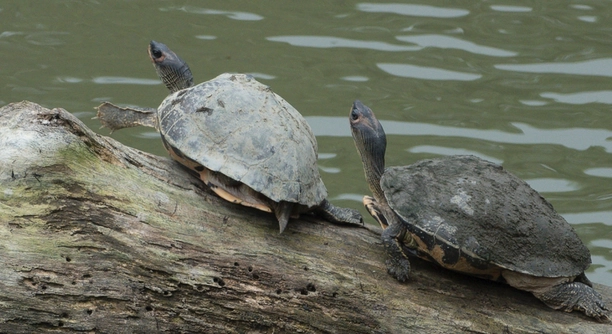
Indian Roofed Tortoises are fascinating creatures, and as pet owners, we often wonder about their health. When it comes to cold weather, we might be concerned about their ability to stay healthy.
Indian Roofed Tortoises can catch colds, but it is rare. They may show symptoms like nasal discharge or lethargy if exposed to sudden temperature changes or damp environments. Proper care can help prevent and treat these symptoms.
Knowing the signs of a cold in your tortoise and how to treat them can help ensure they stay healthy and comfortable. Keep reading to learn more about how to manage these symptoms effectively.
Can Indian Roofed Tortoises Catch Colds?
Indian Roofed Tortoises, like many reptiles, are sensitive to temperature changes. While they are generally hardy, extreme cold or sudden shifts in temperature can weaken their immune system. In such conditions, they might develop symptoms similar to a cold. This could include a runny nose, watery eyes, or general lethargy. If your tortoise is housed outdoors, it’s important to make sure their enclosure is protected from drafts or dampness. Indoor enclosures should also be properly heated to maintain a consistent temperature.
A cold or respiratory infection in your tortoise can be worrying, but with the right care, most cases can be managed effectively. It’s essential to observe their behavior and act quickly if you notice any signs of illness.
Ensuring your tortoise stays warm and dry is key to preventing these health issues. If you do see symptoms of a cold, getting proper treatment is crucial to avoid further complications. Taking action early can make a big difference in their recovery.
Signs of a Cold in Indian Roofed Tortoises
One of the most common signs of a cold in Indian Roofed Tortoises is nasal discharge. You may notice mucus around their nostrils or even hear a wheezing sound when they breathe. This is a sign that their respiratory system is under stress.
Other symptoms include lethargy, a decrease in appetite, and swollen or watery eyes. If these symptoms persist, it could lead to more serious respiratory infections. Monitoring your tortoise regularly and keeping an eye on any unusual behavior can help you catch these symptoms early.
Keeping their environment warm, dry, and free from sudden temperature changes is essential for their well-being. If you observe any signs of a cold, providing a warmer space, reducing humidity, and ensuring they’re not exposed to drafts can all help. If the symptoms worsen, it’s important to consult a vet for further advice and treatment.
How to Treat a Cold in Indian Roofed Tortoises
If your tortoise shows symptoms of a cold, the first step is to make sure they’re kept in a warm, dry environment. Reducing humidity and making sure the temperature stays consistent can help them recover more quickly. A temperature of 80-85°F is ideal for your tortoise’s enclosure.
If the tortoise has a runny nose or is lethargic, you can gently clean the mucus from their nostrils with a soft, damp cloth. Avoid using any harsh chemicals or medications without first consulting a vet. It’s important to keep them hydrated during this time. You can offer fresh water regularly, and some tortoises may even benefit from soaking in shallow, warm water for 10-15 minutes to stay hydrated.
In some cases, your vet might recommend specific medications if there are signs of a more serious respiratory infection. Don’t hesitate to take your tortoise to the vet if symptoms persist. A timely visit could prevent further complications and ensure the best care for your pet.
Preventing Colds in Indian Roofed Tortoises
To prevent your tortoise from getting a cold, maintaining the right temperature is key. Tortoises are sensitive to drastic temperature changes, so ensure their enclosure is well-insulated, especially during colder months. If they live outdoors, providing shelter from the wind and rain will help keep them healthy.
Feeding your tortoise a balanced diet with plenty of fresh greens will also help support their immune system. A healthy diet combined with a proper living environment lowers the chances of them becoming sick. Regularly check for signs of stress or illness, such as changes in behavior or appearance. This can help you address any issues before they develop into something more serious.
When to See a Vet for Your Tortoise
If your tortoise shows symptoms like excessive nasal discharge, persistent lethargy, or difficulty breathing, it’s time to see a vet. Delaying treatment can worsen the condition, leading to severe respiratory infections. A vet can provide specific medications or treatments to help your pet recover.
A vet will perform a thorough check-up, looking for any underlying issues beyond a simple cold. They may test for respiratory infections or other illnesses that could cause similar symptoms. Taking your tortoise in early can prevent complications and ensure proper care.
The Role of Humidity in Tortoise Health
Humidity plays a big role in maintaining your tortoise’s health. While they thrive in warm, dry conditions, excessive humidity can cause respiratory problems, especially when the temperature fluctuates. Keeping the humidity level controlled helps prevent respiratory infections and other related issues.
Ensure your tortoise’s enclosure is well-ventilated. If humidity gets too high, it can lead to damp conditions, making it easier for bacteria to thrive. A simple humidity gauge can help you monitor and adjust the environment to keep your tortoise comfortable and healthy.
FAQ
Can I prevent my Indian Roofed Tortoise from getting sick?
Yes, you can reduce the chances of your tortoise getting sick by maintaining a stable environment. This includes ensuring their enclosure stays warm and dry, with temperatures ranging from 80-85°F. Regularly cleaning the enclosure to avoid bacteria buildup is also important. Proper humidity levels, not too high, can prevent respiratory issues. Also, feeding your tortoise a balanced diet with a variety of greens will help support its immune system and overall health. Keeping their space safe from drafts or sudden temperature changes is key to preventing illness.
What should I do if my Indian Roofed Tortoise isn’t eating?
If your tortoise refuses to eat, it could be a sign of stress or illness. The first step is to check if the temperature and humidity are within the correct range. Tortoises can stop eating if they feel too cold or too hot. If the environment is fine and they still aren’t eating, look for other symptoms, such as nasal discharge, lethargy, or swollen eyes, which could indicate a cold or respiratory infection. If the lack of appetite continues for more than a few days, it’s best to take your tortoise to the vet for a check-up.
How can I help my Indian Roofed Tortoise recover from a cold?
To help your tortoise recover from a cold, you should first ensure it is kept in a warm and dry environment, free from drafts and excessive humidity. If your tortoise has a runny nose, gently wipe it with a damp cloth to clear the mucus. Offer fresh water and consider soaking your tortoise in warm water for 10-15 minutes to help keep them hydrated. If symptoms persist for more than a few days or worsen, you should consult a vet for proper treatment, including antibiotics if needed.
Is it normal for my tortoise to breathe loudly?
Loud breathing, especially with wheezing or gurgling sounds, is not normal and can indicate a respiratory infection or a cold. Tortoises breathe through their noses, so any unusual sounds while breathing should be taken seriously. If you notice your tortoise breathing loudly, it’s important to check for other signs, like nasal discharge or swelling around the eyes. Keeping them warm and dry is crucial, but a vet visit is recommended to rule out any serious conditions, such as pneumonia or a severe respiratory infection.
How often should I clean my Indian Roofed Tortoise’s enclosure?
Cleaning your tortoise’s enclosure regularly is important to maintain a healthy environment. At a minimum, you should spot clean the enclosure daily by removing any uneaten food, waste, and debris. Full cleanings should be done every one to two weeks, where you remove all items, scrub the surfaces, and replace bedding or substrate. Ensuring that their living space is clean and dry helps prevent bacteria growth and keeps your tortoise from getting sick. Make sure to rinse all cleaning supplies thoroughly to avoid harmful chemicals.
What temperature is best for my Indian Roofed Tortoise?
Indian Roofed Tortoises prefer temperatures between 80-85°F during the day, with a slight drop in temperature at night to around 75°F. Too much heat can stress them out, while cold temperatures can weaken their immune system and increase their risk of respiratory infections. A basking spot should be around 90-95°F, and there should always be a cooler area for them to move to if needed. It’s essential to maintain a stable temperature and avoid large fluctuations.
Can I house my Indian Roofed Tortoise outside?
Indian Roofed Tortoises can be kept outside, but only in climates that are warm enough year-round. They are best suited to areas with mild temperatures and plenty of sunlight. Their enclosure should be secure and protected from predators, with shelter to shield them from heavy rain, cold winds, or extreme heat. If you live in a colder climate, it is best to house them indoors during the winter months to ensure they stay healthy. Always make sure the outdoor area is free from drafts and has enough space for them to roam.
How do I know if my Indian Roofed Tortoise is stressed?
Signs of stress in a tortoise include reduced activity, not eating, or attempting to escape the enclosure. You may also notice them hiding more than usual or becoming more aggressive. Stress can be caused by environmental factors like improper temperature, humidity, or exposure to loud noises. It’s important to evaluate their living conditions regularly and make adjustments as needed. If stress continues, it’s worth consulting a vet to ensure there isn’t an underlying health problem.
Should I give my tortoise supplements?
Yes, providing calcium and vitamin D3 supplements can help ensure your tortoise gets the nutrients it needs. Calcium is particularly important for their shell health and overall bone strength. You can sprinkle calcium powder on their food a few times a week. However, be careful not to over-supplement, as this can lead to health issues. A well-balanced diet with a variety of leafy greens, fruits, and occasional protein can also provide the necessary vitamins and minerals for your tortoise.
Is my tortoise sick or just hibernating?
During colder months, some tortoises may enter a state of brumation, which is similar to hibernation. This can cause them to become very lethargic and stop eating, but it’s a natural process. To distinguish between illness and brumation, check if your tortoise is still responsive to gentle handling and if the temperature in their enclosure is consistent. If they are cold and unresponsive for an extended period, or if you see signs of illness such as discharge or swelling, it’s best to consult a vet.
Final Thoughts
Taking care of an Indian Roofed Tortoise involves understanding their unique needs and being alert to any signs of illness. While they can be quite resilient, they are sensitive to temperature changes, humidity, and stress. It’s important to keep their living space warm, dry, and free from drafts to help prevent respiratory infections, which can occur if they are exposed to cold or damp conditions. Regular monitoring of their health, diet, and environment can go a long way in ensuring your tortoise stays healthy and happy.
If your tortoise shows signs of a cold, such as nasal discharge, lethargy, or difficulty breathing, it’s crucial to act quickly. Keeping them in a warm, dry space and offering plenty of fresh water can help support their recovery. If symptoms don’t improve after a few days, or if they worsen, a visit to the vet is essential. A veterinarian can provide the right treatment and help prevent further complications. Early intervention often leads to a better outcome, so don’t hesitate to seek professional care when needed.
Preventing illness is always better than treating it, so maintaining a proper environment and providing a balanced diet are key steps in ensuring your tortoise’s health. With the right care, Indian Roofed Tortoises can live long, healthy lives. By paying attention to their needs and watching for signs of illness, you can provide a safe, comfortable home for your pet, helping them thrive in their environment.

Hello,
If you enjoy the content that we create, please consider saying a "Thank You!" by leaving a tip.
Every little bit helps us continue crafting quality advice that supports the health, happiness, and well-being of pets around the world, for pets of all shapes, sizes, and species.
We really appreciate the kindness and support that you show us!