
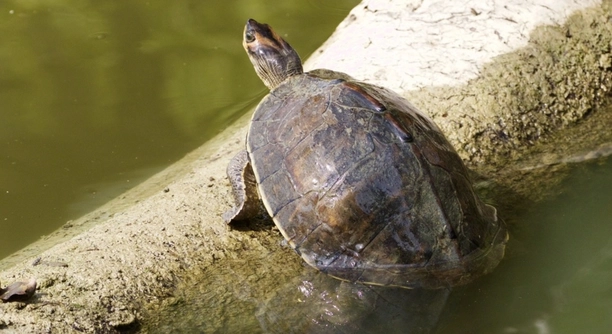
Providing the right heat source for your Indian Roofed Tortoise is key to its well-being. The temperature in their habitat needs to be just right for them to stay active and healthy.
To ensure your Indian Roofed Tortoise thrives, it is essential to provide proper heat sources like heat lamps, ceramic heaters, or under-tank heaters. These heat sources replicate the warm environment of their natural habitat, aiding digestion and overall health.
Choosing the right heat source can make a huge difference in your tortoise’s comfort. With the right tools, your tortoise will stay happy and healthy year-round.
Importance of Providing Proper Heat Sources
Tortoises need warmth to stay active and digest food properly. Without the right heat source, they could become lethargic, and their health may decline. Since Indian Roofed Tortoises come from warm climates, replicating their natural environment is essential. The heat not only keeps them comfortable but also promotes their overall health. Inadequate heat can lead to metabolic issues, lack of appetite, and sluggishness. Understanding the different types of heat sources available helps create a stable, comfortable habitat.
Getting the temperature right is vital. Overheating or underheating can cause serious issues. Proper research into different heat sources ensures you can make the best choice for your tortoise.
A consistent heat source is necessary for your tortoise’s well-being. Using reliable equipment like heat lamps or ceramic heaters helps you create a proper environment. Regular monitoring ensures your tortoise stays within the ideal temperature range, which is crucial for digestion, activity, and overall health. A stable and warm habitat is a key part of their care.
Types of Heat Sources for Indian Roofed Tortoises
Each heat source has its advantages. Choosing the one that best suits your setup ensures your tortoise gets the warmth it needs.
Heat lamps, under-tank heaters, and ceramic heat emitters are the most common options. They all work well but vary in efficiency and ease of use. Understanding how they differ will help you make the right choice.
Heat lamps are a popular choice because they provide a clear, visible light and heat. They mimic sunlight, which is essential for reptiles that rely on natural warmth. These lamps also give off a bright light, which your tortoise needs for basking. However, heat lamps should be used with care. Overexposure to the heat or light can lead to stress. Positioning the lamp in the right spot is key, as it should not overheat the habitat. Ceramic heaters are another option. These emit heat without light, offering a more natural nighttime environment. They can be used 24/7 without disrupting your tortoise’s sleep cycle.
Heat Lamps for Indian Roofed Tortoises
Heat lamps are a popular choice for many tortoise owners. They provide a focused, direct heat source that helps maintain the correct temperature in the basking area.
Heat lamps are available in different wattages, allowing you to adjust the level of heat. They mimic the natural sunlight, which is important for your tortoise’s metabolism and vitamin D synthesis. However, the light should be placed far enough away to avoid overheating. You can also combine them with a timer to regulate day and night cycles. Keep in mind that the heat from the lamp should not extend to the cooler side of the enclosure.
Heat lamps are effective but can be a bit tricky to manage. Overuse can cause temperature imbalances, and they might burn out quicker than other heating options. A key to using heat lamps successfully is careful placement and regular monitoring of temperatures. If you’re using them, make sure your tortoise has a shaded area to cool off as needed.
Ceramic Heat Emitters
Ceramic heat emitters are another great heat source. Unlike heat lamps, they don’t give off any light, making them ideal for nighttime heating.
These heat emitters are often used in enclosures that require consistent warmth throughout the day and night. They help maintain stable temperatures, which are important for the health of your tortoise. Ceramic heaters are durable and last longer than typical heat bulbs. They also ensure that your tortoise doesn’t experience unwanted light exposure, which can disturb their sleep. They emit infrared heat, penetrating deep into the body, which aids in digestion and comfort.
Since ceramic heat emitters only provide heat and no light, they are better for nighttime use. They are often paired with a thermostat to avoid overheating. However, they might require a bit of extra care in terms of placement, as they can become quite hot to the touch. Always ensure your tortoise’s basking area stays at the proper temperature range.
Under-Tank Heaters
Under-tank heaters are a great way to provide consistent, gentle warmth. They sit underneath the enclosure and heat the surface gradually.
These heaters are often used in combination with other heat sources to create a balanced environment. They help maintain the ideal ground temperature for your tortoise, especially when it’s not basking. Make sure the heater is positioned correctly, as improper placement can lead to uneven heating.
Under-tank heaters are efficient and relatively low-maintenance, but you should monitor them regularly. Ensure that the temperature is consistent, as fluctuations can cause stress for your tortoise. Pairing this with a thermostat will help regulate the heat effectively.
Heating Pads
Heating pads are another reliable option to provide warmth to your tortoise. They work similarly to under-tank heaters but are more flexible.
Heating pads are easy to use and often come with adjustable temperature settings. They can be placed underneath or on the side of the enclosure, offering heat where it’s needed most. Heating pads can be particularly useful in smaller enclosures.
Make sure the pad covers an appropriate area to avoid overheating or excessive warmth in certain spots. Keep monitoring the temperature for any fluctuations to ensure your tortoise stays comfortable. They are perfect for creating a warm, steady base for your tortoise to rest.
FAQ
What is the ideal temperature for an Indian Roofed Tortoise?
The ideal temperature for an Indian Roofed Tortoise ranges between 85°F to 95°F (29°C to 35°C) during the day. At night, it should drop to around 70°F to 75°F (21°C to 24°C). A temperature gradient within the enclosure is important, allowing your tortoise to move between warmer and cooler areas to regulate its body temperature. Maintaining these temperature ranges ensures your tortoise can properly digest food, stay active, and avoid health issues. Regularly check the temperatures with a reliable thermometer to ensure consistency throughout the habitat.
Can I use a heat lamp for my Indian Roofed Tortoise at night?
It is not recommended to use a heat lamp at night. Heat lamps emit light, which could disturb your tortoise’s natural sleep cycle. Instead, consider using a ceramic heat emitter or an under-tank heater. These options provide warmth without light, helping maintain consistent nighttime temperatures. Your tortoise needs a proper day-night cycle, with cooler nighttime temperatures to mimic its natural environment. These heating options help keep your tortoise comfortable without interfering with its rest.
How can I control the temperature in my tortoise’s enclosure?
Controlling the temperature in your tortoise’s enclosure is key for its health. To regulate the temperature, use a combination of heating elements like heat lamps, ceramic heat emitters, and under-tank heaters. Ensure the enclosure has a proper temperature gradient, with a warmer basking area and cooler zones for your tortoise to move between. A thermostat can help maintain consistent temperatures, avoiding overheating. Regularly check the temperature with digital thermometers to monitor changes throughout the day and night, adjusting heaters accordingly.
Can I use a regular light bulb as a heat source?
A regular light bulb should not be used as a heat source for your Indian Roofed Tortoise. While it can provide some warmth, it is not ideal for regulating the specific temperature range your tortoise needs. Heat lamps designed for reptiles provide focused heat and help mimic natural sunlight. These lamps offer the necessary spectrum of light and warmth to support your tortoise’s digestion, behavior, and overall health. Using a proper reptile heat lamp or ceramic heat emitter is the best way to meet your tortoise’s needs.
How do I know if the temperature is too high or too low?
If the temperature in your tortoise’s enclosure is too high, your tortoise might become lethargic, stop eating, or even display signs of dehydration. It can also show signs of stress, such as excessive hiding or rapid breathing. If the temperature is too low, your tortoise might become sluggish, refuse food, or appear weak. It may also develop respiratory issues or suffer from poor digestion. To avoid these issues, use a thermometer to regularly check the basking area and cooler zones. Adjust the heat source as needed to ensure the correct temperature range.
Can I place a heat source anywhere in the enclosure?
No, heat sources should be placed carefully in your tortoise’s enclosure. The heat source should be located at one end of the habitat, creating a temperature gradient. This allows your tortoise to move between warmer and cooler areas as it needs. The basking area should have a direct heat source like a heat lamp or ceramic emitter, but avoid placing it too close to the substrate. It’s essential that your tortoise has a cooler area to retreat to when it needs to regulate its body temperature.
How often should I check the temperature in the enclosure?
You should check the temperature at least once a day. Regular monitoring helps ensure the habitat remains within the ideal range for your tortoise. Digital thermometers can be placed in different spots within the enclosure to track the temperature in both the basking and cooler areas. If you notice any fluctuations, adjust your heating elements accordingly. Use a thermostat to control the temperature more efficiently and maintain consistent warmth.
Are heat sources safe for my tortoise?
When used correctly, heat sources like heat lamps, ceramic emitters, and under-tank heaters are safe for your tortoise. However, improper placement or excessive heat can be harmful. Always ensure the heat source is at the correct distance from your tortoise to prevent overheating. Use reliable, reptile-specific heating equipment designed for long-term use. It’s also important to check the equipment regularly to ensure it’s functioning properly and safely.
Can I use a heat pad under the enclosure?
Yes, you can use a heat pad under the enclosure to maintain warmth. Heating pads are particularly useful for providing a consistent temperature in smaller enclosures or specific areas like the floor. However, make sure the heat pad is not too hot and always monitor the temperature regularly. Combine it with a thermometer to ensure the correct temperature range is maintained. Heat pads are most effective when used alongside other heating methods like heat lamps or ceramic emitters to create a well-balanced environment.
What happens if my tortoise gets too cold?
If your tortoise gets too cold, it will become lethargic and may stop eating. Prolonged exposure to cold temperatures can lead to metabolic problems and decrease its ability to digest food. A cold tortoise can also become more susceptible to infections and respiratory issues. Always make sure the temperature in the enclosure stays within the recommended range. If you notice signs of your tortoise becoming too cold, you may need to increase the heating source or move the tortoise to a warmer environment until the temperature stabilizes.
Final Thoughts
Providing the right heat source for your Indian Roofed Tortoise is essential for its health and well-being. These tortoises, native to warm climates, require a habitat that closely mimics their natural environment. Without the proper heat, your tortoise may become sluggish, have trouble digesting food, and even develop health issues. By choosing the right heat sources, such as heat lamps, ceramic heaters, or under-tank heaters, you can ensure your tortoise has the right conditions to thrive. Each heat source has its own benefits and drawbacks, so it’s important to consider your tortoise’s needs and the size of its enclosure when making a decision.
In addition to choosing the right heat source, it’s also crucial to regularly monitor the temperature in your tortoise’s habitat. Maintaining a stable temperature gradient allows your tortoise to move between warmer and cooler areas, which is important for regulating its body temperature. You should check the temperature multiple times a day to ensure it remains within the ideal range. Using a thermostat and digital thermometer will help you control the heat more effectively. It’s also important to remember that the heat source should not be placed too close to your tortoise, as overheating can cause stress and harm.
Caring for your tortoise’s heat needs is just one part of creating a healthy and comfortable environment. Be sure to also consider factors like humidity, substrate, and proper lighting. All of these elements work together to support your tortoise’s health and happiness. If you take the time to create the right conditions and pay attention to the details, your tortoise will thrive in its habitat. By selecting the right heat sources and maintaining the correct temperature, you’re helping your tortoise live a long, healthy life.

Hello,
If you enjoy the content that we create, please consider saying a "Thank You!" by leaving a tip.
Every little bit helps us continue crafting quality advice that supports the health, happiness, and well-being of pets around the world, for pets of all shapes, sizes, and species.
We really appreciate the kindness and support that you show us!