
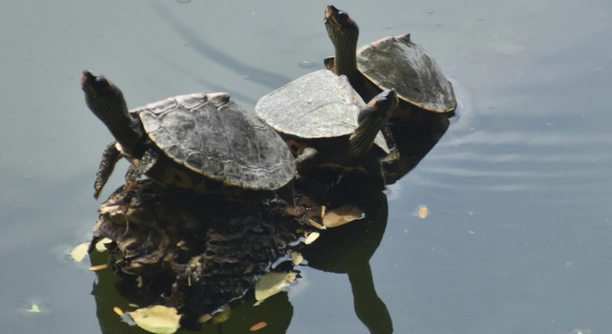
The Indian Roofed Tortoise is a unique species, and understanding its reproductive cycle is essential for proper care. Recognizing when it’s ready to lay eggs can help provide the necessary environment for a healthy outcome.
Indian Roofed Tortoises display certain signs when ready to lay eggs. These include a noticeable increase in size and weight, digging behaviors, and changes in activity levels. It’s crucial to ensure their habitat is suitable for egg-laying, with a safe and quiet environment.
Properly preparing for egg-laying will ensure your tortoise’s health and well-being. Creating an ideal environment is key to the process.
Signs That Indicate Your Tortoise Is Ready to Lay Eggs
When a female Indian Roofed Tortoise is about to lay eggs, there are several physical and behavioral changes that you may notice. The most common signs include weight gain and an increase in the size of her body. You might also observe more frequent digging or restless behavior, as she seeks a suitable spot to lay her eggs. These signs are natural indicators that her body is preparing for the reproductive process.
Another clear sign that your tortoise is ready to lay eggs is if she becomes more active during certain times of the day. If she begins to roam more or appears to be searching for a secluded area, she might be looking for a safe spot to nest.
It’s essential to provide a proper environment with a safe, quiet area for her to lay her eggs. This helps ensure she remains stress-free and comfortable throughout the process.
How to Prepare the Habitat for Egg-Laying
Providing the right environment is crucial. Make sure her enclosure is spacious and has a secluded nesting area where she can dig.
For optimal egg-laying conditions, ensure the habitat has soft, moist soil that mimics her natural environment. The soil should be deep enough for her to dig comfortably. Additionally, a stable temperature is vital, so avoid drastic fluctuations that could cause stress. Regularly check her habitat to ensure she has everything she needs to lay her eggs without interruption. This proactive approach helps reduce the risk of complications.
Changes in Behavior Leading Up to Egg-Laying
Before laying eggs, female tortoises may exhibit restlessness or even aggressive behavior. They might pace around their enclosure, searching for a suitable nesting spot. This behavior is normal as they instinctively prepare for the egg-laying process. Keep an eye on her and ensure that she is comfortable during this time.
When your tortoise starts displaying this type of behavior, it’s a good sign that she’s nearing the egg-laying stage. Her focus will shift towards finding a quiet, safe place to dig. If she is kept in an enclosure with other animals, make sure to separate her to avoid stress. Stress can make the egg-laying process more difficult for her. Allow her some time and space to settle, ensuring that no disturbances occur while she’s preparing for the task.
These behavioral changes can sometimes be subtle, but understanding the signs will help you prepare the best environment for her. The more comfortable she feels, the easier the process will be for her.
Monitoring Physical Signs
You’ll notice physical changes in your tortoise as she prepares to lay eggs. Weight gain and the appearance of a rounder abdomen are common signs. This is due to the developing eggs inside her. She may also become less active than usual, preferring to stay still and rest.
It’s important to monitor these physical changes carefully. A healthy, well-fed tortoise will gain weight gradually, and the belly will visibly swell with eggs. Don’t panic if she’s eating less or becomes more sedentary—it’s part of the natural process. Just make sure she has enough space to move around and dig if necessary. Her need for food may decrease as she focuses on preparing to lay the eggs, but don’t deprive her of fresh water and nutrients.
These physical indicators, combined with her increased digging behavior, will help you gauge when she’s ready to lay eggs.
Digging Behavior
As the egg-laying time approaches, your tortoise will begin to dig. This is one of the most obvious signs. She’ll create small holes in the substrate, which can be a signal that she is searching for a place to lay her eggs. You may notice her repeating this action.
Digging is an instinctual behavior to find a safe, secure spot for her eggs. If she is unable to find a suitable location within her enclosure, she may become frustrated. Ensure that her space has soft, moist soil for easier digging. She should feel secure enough to lay her eggs without disruption.
Providing the Right Nesting Area
The nesting area should be spacious and easy for your tortoise to dig in. Make sure it is free from obstacles that could prevent her from digging comfortably. Provide enough depth in the soil so she can bury her eggs safely once she’s finished laying them.
A good nesting area helps reduce stress, ensuring that your tortoise can lay her eggs in peace. The ideal spot should also be well-hidden, allowing her to feel secure and undisturbed. You can create a simple area with moist, loose soil or sand to help her complete the process.
Checking for Egg-Laying Signs
When your tortoise is getting ready to lay, you may notice her spending more time digging in certain areas. If she’s suddenly more focused on specific spots in her enclosure, this is a sign that egg-laying is imminent. Stay alert for these behaviors.
FAQ
How do I know when my tortoise is about to lay eggs?
Your tortoise will show specific signs, such as digging behavior, weight gain, and increased activity as she searches for a nesting spot. She may also become more restless and spend more time in areas she can dig. Watching her closely for these signs will help you gauge when she’s ready to lay eggs.
Can my tortoise lay eggs without a male?
Yes, female tortoises can lay eggs without mating with a male. This is because they can produce eggs through a process called parthenogenesis, which occurs when eggs are fertilized without male sperm. Even without a mate, your tortoise may still go through the full egg-laying process.
What should I do if my tortoise refuses to lay eggs?
If your tortoise seems ready to lay eggs but refuses to, check her enclosure for suitable nesting spots. She might feel stressed or uncomfortable with the conditions. Ensure the area is quiet, safe, and contains soft, moist soil that allows her to dig properly. If she still refuses, it may be helpful to consult a vet.
How long will it take for my tortoise to lay her eggs?
The egg-laying process can take anywhere from a few hours to a couple of days, depending on the tortoise’s comfort and the environment. Once she begins digging, she may take breaks but will eventually lay her eggs. Keep her enclosure quiet and undisturbed during this time.
What should I do after my tortoise lays her eggs?
After your tortoise has laid her eggs, make sure to remove any remaining eggs carefully if you’re planning to incubate them. If not, leave them where she laid them. It’s also essential to keep the area clean and check her for any signs of stress or health issues. Proper hydration and a healthy diet are important during this period.
Do I need to incubate the eggs?
If you want to hatch the eggs, you will need to incubate them. The temperature and humidity levels should be carefully controlled to mimic natural conditions. A temperature of 82-86°F (28-30°C) and humidity between 70-80% are ideal for Indian Roofed Tortoise eggs. You can also choose to leave them in the enclosure and let her incubate them naturally if the conditions are suitable.
How can I tell if the eggs are fertilized?
It’s difficult to tell if tortoise eggs are fertilized without cracking them open or using an egg candling technique. Candling involves shining a bright light through the egg to look for signs of development. If the egg is fertilized, you’ll see veins or the shape of an embryo. Unfertilized eggs will appear empty.
Can my tortoise lay eggs more than once a year?
Yes, a female tortoise can lay multiple clutches of eggs throughout the year. However, the exact frequency can depend on her age, health, and environmental factors. A healthy tortoise in a stable environment may lay eggs up to 3-4 times per year.
What happens if my tortoise’s eggs don’t hatch?
If your tortoise’s eggs don’t hatch, it could be due to improper incubation conditions, infertility, or the eggs being damaged. If the eggs are left in the enclosure, they may eventually decompose. It’s important to monitor the eggs regularly and adjust incubation settings as needed to improve the chances of successful hatching.
Should I remove the eggs after my tortoise lays them?
If you’re not planning to incubate the eggs, it’s best to leave them where your tortoise has laid them. If you plan to remove them for incubation, do so gently and place them in a safe container with proper temperature and humidity controls. Be sure not to disturb the eggs too much, as they are sensitive to changes.
Why is my tortoise laying soft eggs?
Soft eggs may be a sign of calcium deficiency, stress, or other health issues. If your tortoise lays soft or malformed eggs, it’s essential to check her diet and ensure she’s getting enough calcium. Offering calcium supplements and ensuring she has access to proper UVB lighting can help strengthen egg shells. If the problem persists, a vet visit is recommended.
Can my tortoise lay eggs in her water?
While it’s uncommon for tortoises to lay eggs in water, it’s not impossible. Most tortoises prefer to lay their eggs in dry, soft soil. However, if she’s not given a proper nesting area, she might attempt to lay her eggs in water. This can stress her out, so it’s important to provide a suitable environment for egg-laying.
Final Thoughts
Understanding when your Indian Roofed Tortoise is ready to lay eggs can be a rewarding experience. By observing her behavior and physical changes, you’ll be able to anticipate her needs and create a suitable environment for her to lay eggs. The process can be simple, but it requires some attention to detail. A safe and quiet space with soft, moist soil is essential to ensure she feels comfortable. Keep an eye out for signs of digging and increased activity, as these are clear indicators that she may be preparing to lay eggs.
If your tortoise has laid eggs, it’s important to know what to do next. You can choose to incubate the eggs yourself, or you can allow your tortoise to naturally care for them in the right conditions. Whichever method you choose, ensuring that the temperature and humidity are regulated properly is key to a successful hatch. If you decide not to incubate the eggs, simply leave them in place and monitor her for any signs of stress or health issues. Providing a stable, stress-free environment will help her recover from the egg-laying process.
Lastly, keep in mind that not every tortoise will lay eggs every year. Factors such as age, health, and environment can affect how often she produces eggs. If you notice any unusual behavior or egg-laying complications, consulting a veterinarian is always a good idea. Ensuring that your tortoise is healthy and well cared for will give her the best chance for a smooth egg-laying process, as well as overall well-being. With the right care, your tortoise can live a long, healthy life while navigating the natural cycles of reproduction.

Hello,
If you enjoy the content that we create, please consider saying a "Thank You!" by leaving a tip.
Every little bit helps us continue crafting quality advice that supports the health, happiness, and well-being of pets around the world, for pets of all shapes, sizes, and species.
We really appreciate the kindness and support that you show us!