
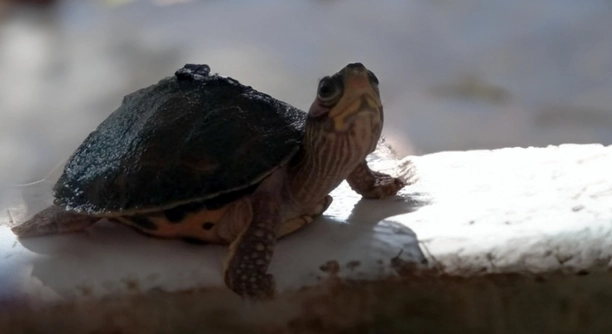
Winter can be a tough season for your Indian Roofed Tortoise. Keeping it warm during the colder months is essential for its health and comfort. Luckily, there are several budget-friendly methods to ensure its warmth.
To keep an Indian Roofed Tortoise warm in winter, create a warm environment by using heat lamps, heating pads, and insulated enclosures. Adding blankets or natural substrates like hay can also help trap heat. Maintain consistent temperatures above 75°F for comfort.
With these tips, you can easily manage your tortoise’s warmth in winter. Simple and affordable solutions will ensure it stays happy and healthy all season long.
Use Heat Lamps for Effective Warmth
One of the easiest and most effective ways to keep your Indian Roofed Tortoise warm is by using a heat lamp. Heat lamps are widely available and offer consistent warmth to your pet. They help mimic natural sunlight, providing warmth without the need for complicated setups. Simply position the lamp in the enclosure so it provides heat to the basking area, allowing your tortoise to soak in the warmth. Be sure to check the temperature regularly to ensure it stays within a safe range, usually around 85-90°F.
A heat lamp can be a simple solution for winter months. It’s also cost-effective when used in moderation.
Another benefit of heat lamps is that they encourage natural behaviors like basking, which is important for your tortoise’s digestion and overall well-being. Make sure to have a thermometer nearby to monitor the temperature closely, ensuring it stays comfortable for your pet throughout the colder season.
Insulated Enclosures Keep the Cold Out
Creating an insulated enclosure for your tortoise is another great option. Insulation traps warmth and blocks cold drafts, providing a more stable environment.
To make an enclosure more insulated, you can add materials like Styrofoam or foam boards to the walls. This helps keep the heat in and the cold out, allowing for consistent warmth. Be mindful of ventilation to avoid moisture buildup, which can create unhealthy conditions. Regularly check for any cold spots that could affect the comfort of your tortoise.
Ensuring that the enclosure stays at a consistent temperature is key. Add extra layers of bedding like hay or straw to insulate the floor, helping retain warmth. A few simple modifications to your tortoise’s habitat will go a long way in maintaining its comfort throughout the winter months.
Use Heating Pads
Heating pads are a great, affordable option to help keep your tortoise warm. Place them under the enclosure’s substrate to provide consistent warmth from the bottom up. Be sure to select a pad with adjustable heat settings, allowing you to control the temperature more precisely.
They can be especially helpful if you keep your tortoise in a larger tank or enclosure, as they ensure warmth is distributed evenly. Avoid placing heating pads directly under basking areas; instead, position them near the cooler side of the enclosure to create a gradient of temperatures.
If you use heating pads, ensure they’re designed for reptile use. These pads are safer and provide the proper temperature range for your tortoise, preventing overheating or burns. Regularly check the pad for wear and tear to ensure it’s functioning properly. A heating pad paired with a heat lamp or insulation will help your tortoise stay comfortable throughout the colder months.
Add Blankets for Extra Warmth
Blankets can be an easy and inexpensive way to add warmth to your tortoise’s habitat. A simple blanket placed over the enclosure can help trap heat and prevent drafts.
Make sure the blanket is breathable, allowing proper air circulation. A heavy or non-breathable blanket may cause humidity issues, which can be harmful to your tortoise’s health. Consider using fleece or a similar soft material, as it traps warmth without blocking airflow.
Blankets are especially useful if your tortoise’s enclosure is located in a cooler room. They can be quickly added or removed as needed. Just be sure not to let the blanket touch the heat source directly to prevent overheating. This small adjustment can significantly improve your tortoise’s comfort.
Use Natural Substrates
Natural substrates like hay, straw, or coconut fiber are great for helping maintain warmth. They help insulate the ground and provide a comfortable resting area for your tortoise. These materials also help trap heat from heating pads or lamps, adding extra warmth to the enclosure.
Choosing the right type of substrate is essential. Make sure it’s easy to clean and doesn’t retain too much moisture. Coconut fiber is a popular option, as it provides insulation without creating excess humidity. Hay and straw are great options for creating a cozy environment while keeping your tortoise warm.
Keep the Room Warm
The room where your tortoise is kept plays a major role in its warmth. Maintaining a stable temperature in the room will help avoid extreme fluctuations. A space heater can be an effective solution if your home tends to get too cold.
By keeping the room temperature steady, you ensure that your tortoise’s environment stays within the proper range. It’s essential to monitor the room’s temperature regularly and adjust the heating as necessary. This will help create a comfortable habitat without relying solely on heat sources inside the enclosure.
Monitor Temperature Regularly
Regularly checking the temperature inside the enclosure is crucial for your tortoise’s well-being. Use thermometers to track the temperature in both the basking and cooler areas.
This ensures that the warmth is distributed evenly, and your tortoise has access to the right temperature gradient. Always monitor temperature levels to prevent overheating or cold stress, both of which can harm your tortoise’s health.
FAQ
What temperature should I keep my tortoise at during winter?
During the winter, it’s important to maintain a temperature range of 75-85°F in the enclosure. You can create a temperature gradient by using heat lamps and heating pads, providing a warm area for basking and a cooler area for your tortoise to retreat to. This gradient helps your tortoise regulate its body temperature. If the room itself is colder, using a space heater to maintain a stable ambient temperature of around 75°F can also help. Be sure to monitor the temperature regularly to avoid extremes that could cause stress or health issues.
How do I know if my tortoise is too cold?
If your tortoise is too cold, it may become lethargic, stop eating, or appear stiff and slow-moving. A lack of activity or hiding in its shell can also be signs that the temperature isn’t right. You can monitor your tortoise’s behavior by checking for signs like inactivity, reluctance to move, or decreased appetite. Ensure that the temperature in its enclosure stays consistent and within the proper range, and always provide access to a warm basking spot. If you notice your tortoise isn’t active or eating, it’s crucial to adjust the heating.
Can I use a regular space heater for my tortoise’s room?
Yes, you can use a regular space heater to warm the room, as long as it doesn’t create drastic temperature changes. The key is to keep the room temperature consistent, which helps maintain a stable environment for your tortoise. When using a space heater, keep it on a low or medium setting to avoid overheating the room. Additionally, ensure that your tortoise’s enclosure has proper ventilation so it doesn’t get too humid. Always check the temperature regularly, and adjust the heater as necessary to keep the environment comfortable for your tortoise.
Should I leave the heating pads on all the time?
Yes, heating pads can be left on all the time, but they should be used properly. It’s important to ensure that the heating pad is designed for reptile use and has a thermostat to regulate the temperature. The pad should be placed under the substrate so that it provides heat from the bottom. If you don’t have a thermostat, check the temperature periodically to ensure it doesn’t get too hot. Heating pads are generally safe, but consistent monitoring is necessary to prevent overheating, which could cause burns or stress to your tortoise.
Can I use a heat rock for my tortoise?
Heat rocks are not recommended for tortoises. They can easily overheat and cause burns because they lack temperature control. Unlike heat lamps or heating pads with thermostats, heat rocks provide a constant, unregulated heat source. If your tortoise touches the rock for too long, it can cause serious injury. It’s better to stick with a heat lamp or a properly regulated heating pad, which offers a more controlled and safe heat source for your tortoise.
What’s the best type of substrate to use for warmth?
Coconut fiber, hay, and straw are some of the best substrates for providing warmth. These materials help insulate the floor of the enclosure, trapping heat and keeping your tortoise warm. Coconut fiber is highly absorbent and promotes a dry environment, which is important for your tortoise’s health. Hay and straw are also great for creating a cozy, insulated floor. Avoid using materials like sand or gravel, as they don’t hold heat effectively and can lead to temperature fluctuations. Make sure the substrate is kept clean and dry for optimal health.
Can I keep my tortoise in a glass tank during the winter?
You can use a glass tank, but it’s important to make sure it’s properly insulated to retain warmth. Glass tanks tend to lose heat quickly, especially during the winter. To prevent heat loss, you can wrap the tank with insulation material, such as foam boards, to keep it warmer. You should also use heating pads, heat lamps, and blankets inside the enclosure to create a comfortable temperature for your tortoise. Make sure the tank is large enough to provide a temperature gradient, so your tortoise has access to both warmer and cooler areas.
Is it safe to place my tortoise outside during the winter?
It’s not safe to keep your Indian Roofed Tortoise outside during the winter unless you live in a region where the temperatures stay consistently warm. Cold temperatures can cause hibernation-like symptoms and stress your tortoise, which could lead to illness or even death. If you have a suitable outdoor enclosure, it’s best to only use it in the warmer months. During winter, always keep your tortoise inside, in a controlled, warm environment where you can monitor the temperature to ensure it remains safe and comfortable.
How can I prevent humidity problems during winter?
In winter, the air in your home can become drier, which can lead to problems with humidity in the tortoise’s enclosure. To prevent this, you can use a humidity gauge to monitor levels and adjust as needed. Adding moisture-rich items like a damp towel or sponge to the enclosure can help maintain appropriate humidity levels. Be careful not to let the substrate get too wet, as excess moisture can lead to mold growth or respiratory issues for your tortoise. A well-balanced humidity level, combined with proper heat, will ensure your tortoise stays healthy during winter.
How often should I check my tortoise’s temperature during winter?
During winter, it’s important to check your tortoise’s temperature at least once or twice a day. This ensures that the environment remains stable and within the proper range for your tortoise’s health. Use thermometers in both the basking and cooler areas of the enclosure to track temperatures throughout the day. Temperature fluctuations can cause stress or health issues, so regular checks are crucial. If necessary, adjust heating equipment or insulation to maintain the right balance of warmth.
Final Thoughts
Keeping an Indian Roofed Tortoise warm during the winter months requires careful planning and attention to detail. The most important factors to consider are temperature control, a proper heating setup, and a consistent environment. Tortoises are cold-blooded, so they rely on external heat sources to regulate their body temperature. Without the right warmth, your tortoise can become stressed, stop eating, or even suffer from health problems. Ensuring the right temperature and humidity levels are maintained will go a long way in keeping your tortoise healthy throughout the winter.
There are several ways to provide warmth, including heat lamps, heating pads, and space heaters. A heat lamp can be used to provide direct heat, allowing your tortoise to bask, while heating pads can help keep the substrate warm from below. If you’re using a space heater, make sure the room temperature stays stable and consistent. It’s also important to create a temperature gradient within the enclosure, with a warm area for basking and a cooler area for resting. This allows your tortoise to regulate its own body temperature and move to areas that feel most comfortable.
Along with heat, humidity is another factor to monitor, especially during the dry winter months. Dry air can cause dehydration and respiratory issues in your tortoise. Using a humidity gauge and adding moisture-rich materials to the enclosure can help maintain the right balance. Regular checks of both temperature and humidity levels will ensure your tortoise stays comfortable. Proper care during the colder months is essential, so taking these precautions will help your tortoise stay healthy, active, and content all winter long.

Hello,
If you enjoy the content that we create, please consider saying a "Thank You!" by leaving a tip.
Every little bit helps us continue crafting quality advice that supports the health, happiness, and well-being of pets around the world, for pets of all shapes, sizes, and species.
We really appreciate the kindness and support that you show us!