
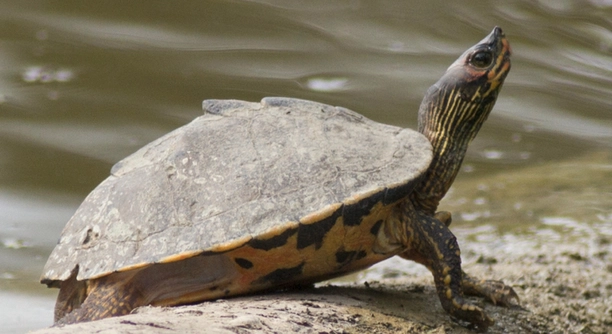
Indian Roofed Tortoises are fascinating creatures that often thrive in different environments. Understanding how they interact with one another can be essential for keeping them happy and healthy in captivity.
Indian Roofed Tortoises can live in pairs, but it requires careful management. Male tortoises can be territorial, while females are more sociable. If housed together, their space and resources should be sufficient to avoid aggression and stress.
Pairing tortoises can lead to a more fulfilling life if done thoughtfully. Understanding their needs ensures their wellbeing in shared spaces.
Benefits of Keeping Indian Roofed Tortoises in Pairs
When kept in pairs, Indian Roofed Tortoises can benefit from the companionship of another tortoise. This can reduce stress and loneliness, which are common when a tortoise is housed alone. These tortoises are social animals that form strong bonds, especially when introduced at a young age. They enjoy interacting with each other, and some even share food and basking spots.
Having a pair allows them to engage in natural behaviors like mating or playing, which can make them feel more comfortable in their environment. Additionally, keeping them together can help maintain a balanced routine, as they often mirror each other’s actions, making it easier to monitor their health.
However, even in pairs, space is important. Ensuring there’s enough room for each tortoise to move freely reduces stress. Also, providing multiple hiding spots and separate feeding areas can help maintain a peaceful environment. With the right care, pairs of Indian Roofed Tortoises can live harmoniously.
Challenges of Keeping Indian Roofed Tortoises in Pairs
Some issues can arise when housing tortoises together. Males can become territorial, and fights may occur over food or space.
While pairing these tortoises can be beneficial, it’s essential to monitor their interactions. Males tend to become more aggressive, especially during mating season, leading to stress or injury if not observed closely. Female tortoises generally handle being together better and are less likely to fight. Nonetheless, providing separate areas for feeding, basking, and hiding can help reduce tension. It’s also essential to ensure the environment is large enough to accommodate both tortoises without overcrowding.
How to Introduce Indian Roofed Tortoises to Each Other
When introducing Indian Roofed Tortoises, start by placing them in separate enclosures side by side. This allows them to see and smell each other without physical contact. Gradually increase their interaction time.
Allow both tortoises to explore the space together, but monitor their behavior closely. At first, there might be some head bobbing or mild aggression. These are typical displays of dominance, and as long as they aren’t escalating into full-blown fighting, they should work things out. If needed, give them some time apart and reintroduce them later.
Keep the enclosure large enough to provide space for both tortoises to retreat when needed. Avoid forcing the interaction and let them establish their own territory. Eventually, the tortoises should become more comfortable with each other. Regular observation will help ensure they are cohabitating peacefully.
Space Requirements for Two Indian Roofed Tortoises
Indian Roofed Tortoises need plenty of space to move around, especially when housed in pairs. A small enclosure can lead to stress and aggression.
A minimum of a 4-foot by 6-foot enclosure is recommended for two tortoises. It’s important that each tortoise has enough space to establish its own territory within the enclosure. This helps reduce the chance of territorial disputes.
A larger enclosure also provides opportunities for both tortoises to have their own basking areas, hiding spots, and feeding stations. Adding plants and rocks can give them natural elements to explore. Ensure the habitat stays clean and dry, with sufficient ventilation to prevent the buildup of humidity or waste. A spacious setup is crucial for their physical and mental well-being.
Monitoring Health in Pairs
It’s crucial to monitor the health of both tortoises closely when they are housed together. Regularly check their shells for any signs of damage or infection.
Keep an eye on their eating habits, as one tortoise might eat more than the other. This imbalance can lead to malnutrition. Make sure both tortoises have equal access to food and water.
Feeding Indian Roofed Tortoises in Pairs
When feeding tortoises in pairs, ensure there is enough food for both. Separate feeding stations will prevent one tortoise from dominating the food source.
Offer a varied diet that includes leafy greens, vegetables, and occasional fruits. Providing calcium supplements is essential for their shell health.
FAQ
Can Indian Roofed Tortoises live together permanently?
Yes, Indian Roofed Tortoises can live together permanently, but it’s important to monitor their behavior. Male tortoises can sometimes become territorial or aggressive, especially during mating season. Ensuring there is plenty of space, multiple hiding spots, and separate feeding areas will help minimize conflicts. If aggression occurs, separating them temporarily might be necessary.
How do I know if my tortoises are fighting?
Tortoises often display aggression through head bobbing, chasing, or biting. If you notice these behaviors escalating or physical harm, such as one tortoise retreating or having injuries, it’s a clear sign of conflict. In such cases, separating them until the situation improves is necessary.
Can I introduce new tortoises to an established pair?
Introducing a new tortoise to an established pair can be tricky. It’s best to house the new tortoise in a separate enclosure next to the pair at first. Gradually allow them to interact under supervision. Monitor closely to ensure the new tortoise isn’t being bullied or overly stressed. It’s important that the space is large enough for everyone to have their own area.
What should I do if one tortoise is bullying the other?
If one tortoise is bullying the other, try separating them to give the bullied tortoise a chance to recover. Once separated, evaluate the space, ensuring there are sufficient resources like food, water, and hiding places. Sometimes, adjusting the environment or adding more hiding spots can help. If the aggression continues, it might be better to house them separately permanently.
Do Indian Roofed Tortoises need a heat lamp when housed in pairs?
Yes, they need a heat lamp regardless of whether they are housed alone or in pairs. Tortoises require a basking area that reaches around 95°F (35°C) to regulate their body temperature. Both tortoises should have access to the basking spot. If the heat lamp is shared, ensure there is enough space for both to bask comfortably.
How do I prevent my tortoises from fighting over food?
To prevent fighting over food, place food in multiple locations, ensuring each tortoise has easy access. You can also use separate feeding areas to ensure there’s no competition. Monitor their eating habits to ensure both tortoises are eating adequately. If one tortoise is consistently not eating, separate the food or try offering a different type of food.
Can I keep more than two tortoises together?
It’s possible to house more than two tortoises, but it becomes more complex. As the group size increases, so does the risk of territorial disputes. Ensure that the enclosure is large enough for each tortoise to have its own space. Multiple basking spots and hiding areas are essential. Keep a close watch on their behavior, and be ready to separate them if conflicts arise.
Should I be concerned if my tortoises are not interacting much?
Indian Roofed Tortoises may not always engage with one another, especially in the beginning. Some tortoises are more solitary than others. As long as there’s no aggression or signs of stress, minimal interaction is normal. Over time, they might grow more comfortable with each other and start sharing space more frequently.
What size enclosure do I need for two tortoises?
For two Indian Roofed Tortoises, a minimum enclosure size of 4 feet by 6 feet is recommended. The larger the space, the better, as it reduces the likelihood of territorial disputes. It also allows both tortoises to have enough room to move around, bask, and explore. Make sure to provide areas for both tortoises to hide, as well as separate feeding stations.
Can I house a male and female tortoise together?
Yes, a male and female Indian Roofed Tortoise can live together. However, males might become territorial, especially during the breeding season. Be prepared to provide extra space and monitor their interactions closely. If the male shows signs of aggression, you may need to separate them temporarily. If the female is not interested in mating, she might also show signs of stress or aggression.
Final Thoughts
Housing Indian Roofed Tortoises together can work well when done correctly. By ensuring the enclosure is large enough and providing separate feeding and basking spots, you reduce the chance of conflict. With proper space, they can coexist peacefully, and some tortoises may even develop a bond over time. However, it’s important to monitor them regularly, especially in the beginning, to ensure that no aggression or stress occurs. If you notice signs of bullying or fighting, it may be necessary to separate them temporarily.
As with any pet, the health and well-being of the tortoises should be the priority. Regular check-ups, proper diet, and monitoring their behavior will go a long way in ensuring they live harmoniously. If any signs of illness, injury, or abnormal behavior appear, prompt attention is essential. Both tortoises need enough space to move, bask, and hide, which promotes healthy growth and reduces stress. Remember, while it is possible for them to live together long-term, it’s crucial to respect their individual needs and adjust the living environment accordingly.
Ultimately, every tortoise has its own temperament. Some may get along well with others, while others might prefer solitary living. It’s key to be patient and adaptable, taking time to observe their behavior and making adjustments when necessary. By providing a well-maintained, spacious environment, and closely observing their interactions, you can create a peaceful home for your Indian Roofed Tortoises. This ensures that both tortoises stay happy, healthy, and content in their shared space.

Hello,
If you enjoy the content that we create, please consider saying a "Thank You!" by leaving a tip.
Every little bit helps us continue crafting quality advice that supports the health, happiness, and well-being of pets around the world, for pets of all shapes, sizes, and species.
We really appreciate the kindness and support that you show us!