
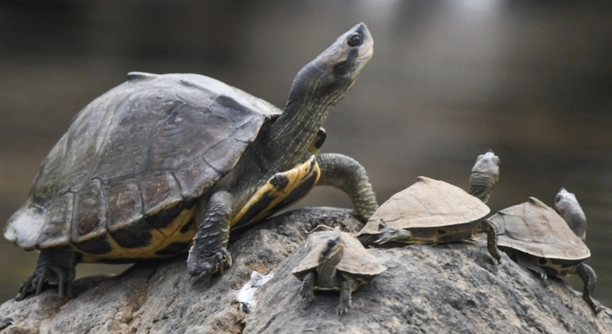
The first shed of an Indian Roofed Tortoise can be an exciting and sometimes concerning experience. Understanding what to expect during this time can help ensure a smooth transition for your pet.
The initial shedding process is completely normal and part of your tortoise’s growth. Expect to see flakes of skin and occasional behavioral changes. This is a sign of healthy development, as they grow and prepare for the next stage of life.
Knowing what happens during this phase can provide reassurance and help you better care for your tortoise through this natural process.
Understanding the Shedding Process
The shedding process for an Indian Roofed Tortoise happens in stages. It usually begins with small patches of skin peeling off. During this time, your tortoise may become more inactive than usual. This is perfectly natural. They might even eat less as their body adjusts to the shedding. A full shed can take several days or weeks to complete, depending on the tortoise’s age and health.
During shedding, make sure your tortoise has access to fresh water and food. If they are eating less, don’t worry, as this can be a temporary effect of the process. It’s important to maintain the right humidity levels in their environment to ensure their skin sheds properly.
Sometimes, their skin may come off in pieces. It’s important not to force the skin off. Allow the natural shedding process to happen on its own. Make sure the enclosure is clean and dry to prevent any skin irritation. A healthy environment speeds up recovery and reduces any risks of infection.
Why It’s Essential to Keep the Enclosure Clean
A clean environment is key to keeping your tortoise healthy during shedding. Bacteria can grow in a dirty enclosure and cause irritation or infection. This is especially true if the skin sheds unevenly or gets stuck.
The best way to keep your tortoise’s living space clean is by regularly replacing the bedding and ensuring that the humidity is in the proper range. Excess moisture can cause fungal growth or skin problems, while too little moisture might lead to dehydration, preventing a smooth shed. Proper ventilation will also prevent any build-up of harmful bacteria in the habitat. Keeping the enclosure clean will not only help during shedding but also support your tortoise’s overall health.
Skin Can Get Stuck During the Shedding Process
During the first shed, it’s common for the skin to come off in patches. Sometimes, the skin may get stuck, especially around the legs or head. This happens if the tortoise hasn’t been able to shed properly.
If the skin doesn’t come off naturally, it could cause discomfort or irritation for your tortoise. A good way to help is by increasing humidity in their environment. Gently misting their enclosure with water can help loosen the skin. Avoid pulling the skin off, as it can harm your tortoise.
In some cases, you may need to soak your tortoise in warm water for 10 to 15 minutes to help loosen stubborn skin. This should only be done if your tortoise is willing to stay in the water without getting stressed. Make sure to monitor them closely. If you’re unsure, consulting a veterinarian is always a safe option to avoid harming your pet.
Changes in Behavior During Shedding
During shedding, your tortoise may show changes in behavior. This can include being less active, eating less, or seeking a quiet space to rest. These are normal reactions to the stress of shedding skin.
It’s essential to give your tortoise the space they need during this time. They may prefer hiding under their shelter or staying in a cool corner. Try not to disturb them too much. Avoid handling your tortoise unless absolutely necessary, as it could cause added stress.
Ensure your tortoise has a quiet, safe space where they can feel secure. Stress can slow down the shedding process and even lead to health issues. By respecting their space and letting them go through this phase at their own pace, you help them recover quicker.
Shedding Can Be Uncomfortable for Your Tortoise
The shedding process can cause discomfort for your tortoise, especially if their skin becomes too tight or doesn’t shed evenly. This discomfort may make them more irritable or less active than usual.
If your tortoise appears stressed, ensure the environment is calm and temperature-controlled. Reducing handling during this time can help them feel more secure. If they continue to show signs of distress, check for skin issues or consult a veterinarian for guidance. Keeping them comfortable helps them recover faster from the shedding process.
Keeping Your Tortoise Hydrated
Hydration is essential during the shedding process. It helps to loosen the skin and keeps your tortoise’s body functioning well. Provide a shallow water dish at all times, ensuring it’s easy for your tortoise to access.
Soaking your tortoise in warm water can also help with shedding. A brief soak encourages hydration and allows the skin to soften. If your tortoise is reluctant to drink, offering a few wet vegetables can also help them stay hydrated during this time. Keeping them well-hydrated can prevent complications from dehydration and support the natural shedding process.
Watch for Signs of Infection
During the shedding process, your tortoise’s skin can be vulnerable to infections if not properly cared for. Look out for signs such as redness, swelling, or a strong odor, which could indicate a problem.
If you notice any of these symptoms, it’s important to clean the area gently and provide a dry, clean environment. A warm soak can also help reduce irritation. If the issue persists or worsens, seek professional advice from a vet to ensure your tortoise remains healthy. Regular care and attention can prevent many shedding-related issues.
FAQ
How long does shedding last for an Indian roofed tortoise?
Shedding can take anywhere from a few days to a couple of weeks, depending on the tortoise’s age, environment, and overall health. Younger tortoises may shed more frequently but in smaller amounts, while older ones shed less often but more extensively.
Is it normal for my tortoise to stop eating during shedding?
Yes, some tortoises eat less while shedding due to mild discomfort or stress. As long as they remain active and hydrated, a temporary decrease in appetite is normal. If your tortoise refuses food for an extended period or appears lethargic, check for signs of illness or dehydration.
Can I help my tortoise shed its skin?
It’s best to let the shedding process happen naturally. However, you can support your tortoise by maintaining proper humidity, providing a shallow water dish, and offering occasional warm soaks. Avoid peeling or pulling off any loose skin, as this can cause injury or infection.
Why is my tortoise rubbing against objects while shedding?
Tortoises may rub against rocks, logs, or other surfaces to help loosen shedding skin. This behavior is completely normal and helps them remove old skin more efficiently. Ensure there are safe, smooth surfaces available to prevent irritation or accidental scrapes.
What should I do if my tortoise’s skin looks dry and flaky?
If your tortoise’s skin appears too dry, check their habitat’s humidity levels. Increasing moisture in the enclosure by misting or adding a damp hide can help. Providing regular access to water and fresh vegetables will also support healthy skin and hydration.
Can shedding cause stress for my tortoise?
Yes, shedding can be mildly stressful, especially if it’s their first time. You may notice your tortoise hiding more, being less active, or avoiding handling. Giving them space and keeping their environment stable will help them feel more comfortable during the process.
Should I change my tortoise’s diet during shedding?
A balanced diet with adequate hydration is essential. Offer fresh vegetables with high water content, such as cucumbers or leafy greens, to help keep them hydrated. Calcium-rich foods are also beneficial, as they support healthy skin and shell growth.
How do I know if my tortoise is having trouble shedding?
If skin remains stuck for an extended period, or your tortoise seems irritated, shedding may not be progressing smoothly. Persistent dry patches, swelling, or visible discomfort are signs that intervention may be needed. Soaking your tortoise in warm water can help, but severe cases should be evaluated by a veterinarian.
Is shedding different for baby tortoises compared to adults?
Baby tortoises shed more frequently as they grow, but the process is usually less noticeable. Their skin sheds in thinner layers, whereas adult tortoises shed in larger patches. Maintaining proper humidity and hydration is crucial at all life stages.
Can improper shedding lead to health problems?
If shedding doesn’t occur properly, it can lead to dry, cracked skin, infections, or even shell issues. Keeping an eye on hydration, humidity, and nutrition will reduce the risk of complications. Any persistent issues should be addressed by a professional to prevent long-term problems.
Final Thoughts
Shedding is a natural part of an Indian roofed tortoise’s life, helping them grow and maintain healthy skin. While it may seem unusual at first, understanding the process makes it easier to care for your tortoise during this time. Providing a well-maintained environment with proper humidity, hydration, and nutrition will support healthy shedding. Avoid interfering with the process by peeling loose skin, as this can cause irritation or injury. Instead, focus on creating a stress-free space where your tortoise can shed naturally and comfortably.
Observing your tortoise’s behavior during shedding is important to ensure they remain healthy. Some tortoises may become less active, rub against surfaces, or eat less for a short period. These behaviors are normal, but if you notice excessive dryness, stuck skin, or signs of distress, small adjustments to their care routine can help. Regular warm soaks, fresh vegetables with high water content, and a stable habitat will encourage smooth shedding. If any serious issues arise, such as persistent patches of retained skin or infections, consulting a reptile veterinarian is the best course of action.
Caring for a shedding tortoise requires patience and attention, but with the right approach, it becomes a routine part of their care. Learning what to expect and how to support them through each stage ensures their long-term health and well-being. Each tortoise sheds at its own pace, so allowing the process to happen naturally is key. With proper care, your Indian roofed tortoise will continue to thrive, shedding old skin and growing stronger over time.

Hello,
If you enjoy the content that we create, please consider saying a "Thank You!" by leaving a tip.
Every little bit helps us continue crafting quality advice that supports the health, happiness, and well-being of pets around the world, for pets of all shapes, sizes, and species.
We really appreciate the kindness and support that you show us!