
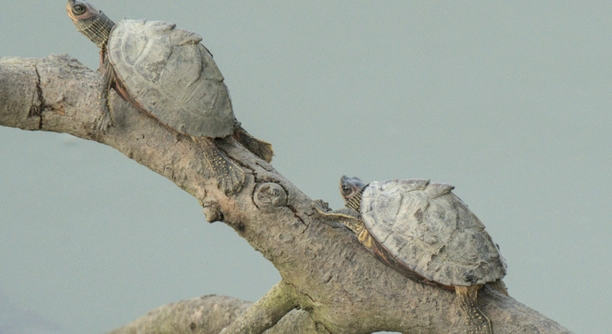
Many tortoise owners notice their Indian Roofed Tortoise is not using its hideout. Understanding the reasons behind this behavior can help improve your tortoise’s habitat and comfort. Identifying and addressing these factors can make a big difference.
The most common reasons your Indian Roofed Tortoise avoids its hideout include stress, incorrect temperature, insufficient space, or lack of privacy. Other factors may include the hideout’s design, improper substrate, or even health-related issues such as discomfort or illness.
There are several factors that influence a tortoise’s decision to use its hideout. Knowing how to resolve these issues will help create a more comfortable environment for your pet.
Stress and Anxiety Can Keep Your Tortoise Away from Its Hideout
Stress and anxiety can be a significant factor in your tortoise’s refusal to use its hideout. Tortoises are sensitive creatures, and changes in their environment or routine can cause distress. This can include loud noises, sudden movements, or even new pets or family members entering the home. When a tortoise feels unsafe, it may avoid its hideout in favor of staying out in the open. It’s important to ensure the habitat remains as calm and stable as possible. This may mean limiting disruptions and creating a peaceful, quiet space for your tortoise.
If your tortoise is stressed, it might show other signs, such as decreased eating or excessive hiding. Making adjustments to reduce stress, like placing the hideout in a quieter corner, can help.
Creating a calm environment where your tortoise feels secure will encourage it to explore its hideout. You can help by observing its behavior and making small changes. Try to keep the habitat as predictable as possible and limit any sudden changes that could cause fear.
Temperature and Humidity Play Key Roles in Hideout Usage
The temperature and humidity of your tortoise’s habitat are vital to its comfort. If the hideout is too hot or too cold, your tortoise may avoid it. Tortoises prefer a certain range of temperatures to thrive. A hideout that is too warm or cold can be uncomfortable, making your tortoise reluctant to use it. It is essential to keep the temperature of the hideout consistent with your tortoise’s needs.
Too much humidity or dryness can also have a similar effect. Make sure the hideout provides a comfortable, stable environment. If you notice your tortoise avoiding the hideout, check the temperature and humidity levels to see if they need adjusting. A proper basking area and cooler zones will help your tortoise feel more at ease and encourage hideout use.
Hideout Size and Space Issues
A hideout that’s too small or cramped can discourage your tortoise from using it. If the hideout doesn’t offer enough space for your tortoise to move around comfortably, it may avoid it altogether. Ensure that the hideout is large enough for your tortoise to feel safe and secure while still being able to turn around and stretch out.
When choosing a hideout, consider your tortoise’s size and shape. The hideout should provide shelter without being overly confined. Too much space, on the other hand, might also make it feel less secure. Finding the right balance in size is key to making your tortoise feel comfortable and protected.
A hideout that’s too tight can also cause physical discomfort, leading to stress. It’s essential to monitor how your tortoise behaves inside the hideout. If it seems agitated or hesitant to enter, the size of the space might be a factor to reconsider. Look for signs that the hideout is either too big or small and adjust accordingly.
Inadequate Substrate or Poor Hideout Design
The material inside the hideout plays a critical role in how comfortable your tortoise feels. If the substrate is too rough, dry, or uncomfortable, it can lead to your tortoise avoiding it. A hideout should have a soft, safe surface that mimics natural environments, providing a place to rest and burrow.
In addition to the substrate, the overall design of the hideout matters. A poorly designed hideout may not provide enough cover or privacy, making it less inviting for your tortoise. Ensure the hideout has an appropriate entrance, so your tortoise can easily enter and exit without difficulty.
Consider using a natural substrate like coconut fiber or moss that provides both comfort and humidity regulation. This can help your tortoise feel more at ease in its hideout. Also, make sure there are no sharp edges or uncomfortable surfaces that could discourage your tortoise from using the space.
Health Issues Affecting Hideout Usage
Health problems can cause your tortoise to avoid its hideout. If it’s in pain, it may not want to enter small, confined spaces. Illness or injury can make your tortoise feel vulnerable and less inclined to seek shelter. Regular health check-ups are essential to keep your tortoise comfortable.
Check for signs of injury, like swelling, limping, or unusual behavior. If your tortoise seems unwell or avoids its hideout for an extended period, it may be a sign of health problems. Ensure it has access to proper food, water, and warmth, which may help improve its well-being.
Improper Lighting Conditions
Lighting is just as important as temperature for your tortoise’s behavior. If the lighting is inadequate, it may avoid its hideout. Tortoises need a natural day-night cycle to regulate their biological clock. If the lighting is too bright or too dim, your tortoise may feel uncomfortable and avoid its hideout.
Providing both UVB lighting for vitamin D synthesis and a heat source for basking is essential. Make sure the lighting mimics the natural light cycle, with a clear difference between day and night. This helps your tortoise stay healthy and encourages hideout use during resting periods.
The Impact of Overcrowding in the Habitat
Too many animals in a tortoise’s space can cause stress and prevent it from using its hideout. If the enclosure feels crowded or there’s competition for space, your tortoise may choose to stay outside its hideout. Ensure it has enough room to move freely and explore.
When overcrowded, tortoises can experience anxiety, which makes them reluctant to use their shelter. A well-sized enclosure with enough space for all its inhabitants will provide a calm environment. If possible, consider limiting the number of animals in the habitat to prevent stress-related issues.
FAQ
Why is my Indian Roofed Tortoise not using its hideout?
Several factors could cause this behavior, including stress, an unsuitable hideout, or health issues. Your tortoise might feel unsafe due to environmental changes or discomfort caused by a cramped hideout. Stress from other animals, loud noises, or changes in routine can also make your tortoise avoid its hideout. Ensure the hideout is spacious, secure, and free from stressors. Additionally, check the temperature, humidity, and substrate inside the hideout to ensure they’re comfortable. If your tortoise is still not using the hideout, consider a health check to rule out any underlying issues.
How can I make my tortoise’s hideout more inviting?
To make the hideout more inviting, ensure it’s spacious, clean, and has a soft, natural substrate. Adding materials like coconut fiber or moss can help create a comfortable and humid environment. Make sure the hideout is placed in a quiet area, away from constant disturbances. The entrance should be easily accessible, allowing your tortoise to enter and exit without struggle. You can also place some food or treats near the hideout to encourage it to explore and use the space.
Is it okay to use a plastic hideout for my tortoise?
While plastic hideouts can work, they may not always provide the same comfort as natural materials. Plastic hideouts can be too slippery or lack ventilation, which can make your tortoise feel insecure. If you choose to use a plastic hideout, ensure it has adequate ventilation and is the right size for your tortoise. You can also line it with a more natural substrate to make it feel more like a real hideout.
How do I know if my tortoise is stressed?
Signs of stress in tortoises include decreased eating, hiding more than usual, rapid or shallow breathing, or aggressive behavior. A stressed tortoise may also exhibit signs of lethargy, loss of appetite, or excessive pacing. If your tortoise is not using its hideout or seems overly agitated, check for stress factors such as temperature fluctuations, loud noises, or overcrowding. Addressing these stressors can help your tortoise feel more at ease.
What temperature should the hideout be for my tortoise?
The hideout should be at a temperature that allows your tortoise to regulate its body heat effectively. For most species, a warm hideout with temperatures between 80°F and 85°F (27°C to 29°C) during the day is ideal. It’s important to provide a temperature gradient in the enclosure, with a basking area that reaches 90°F to 95°F (32°C to 35°C) and a cooler area for rest. Ensure that the hideout is not too hot or too cold, as extreme temperatures can cause your tortoise to avoid it.
Can my tortoise sleep outside its hideout?
Yes, tortoises can sometimes sleep outside their hideout, especially if they feel comfortable in other areas of the enclosure. However, if your tortoise consistently avoids its hideout, it may be due to factors like stress, temperature issues, or discomfort. Ensure the environment is calm, with proper lighting, temperature, and humidity levels. If your tortoise continues to avoid its hideout, it may be worth investigating the reasons for this behavior.
How often should I clean the hideout?
The hideout should be cleaned regularly to ensure a healthy environment. Remove any waste, soiled substrate, and leftover food at least once a week. Depending on the substrate used, you may need to replace or refresh it more often. If you notice any signs of mold or unpleasant odors, clean the hideout immediately. Regular cleaning helps prevent the buildup of harmful bacteria and ensures your tortoise feels comfortable and safe in its space.
Can I use a heating pad under the hideout?
Using a heating pad under the hideout is acceptable, but it’s important to monitor the temperature closely. Heating pads should be used in conjunction with a thermometer to avoid overheating. The heat should be gentle, not extreme, and should provide a comfortable, consistent warmth. Ensure that the heating pad doesn’t cause the hideout to become too hot, as this can make your tortoise avoid it. A heating pad can help create a warm, inviting space, but it should be used with caution.
What kind of substrate is best for a tortoise hideout?
The best substrate for a tortoise hideout is one that mimics its natural environment. Materials like coconut fiber, sphagnum moss, and cypress mulch are great options because they maintain moisture while being comfortable for your tortoise. These substrates also allow for burrowing and can help regulate humidity. Avoid using substrates that are too dry or dusty, such as sand or cedar, as they can cause respiratory issues or discomfort. Ensure the substrate is deep enough for your tortoise to burrow and feel secure.
Can overcrowding affect my tortoise’s use of the hideout?
Yes, overcrowding can definitely cause your tortoise to avoid its hideout. When there are too many animals in the same space, your tortoise may feel stressed and unsafe. It’s important to provide enough space for each animal, allowing them to have their own territory. Overcrowding can lead to competition for space and resources, making it difficult for your tortoise to find a quiet, comfortable place to rest. Make sure the enclosure is large enough to accommodate all inhabitants without causing stress.
What should I do if my tortoise avoids the hideout for an extended period?
If your tortoise avoids its hideout for an extended period, first check for any obvious issues like temperature, humidity, or substrate problems. If everything seems fine, observe your tortoise’s overall behavior. Look for signs of stress, health issues, or discomfort. If the behavior persists and no environmental factors seem to be at fault, consider taking your tortoise to a veterinarian for a health check. A sudden change in behavior could indicate an underlying problem that needs attention.
Final Thoughts
Understanding why your Indian Roofed Tortoise is not using its hideout requires attention to several potential factors. From stress and environmental changes to the hideout’s size and comfort, there are various reasons why your tortoise might avoid its shelter. It is essential to check the overall setup of the enclosure, including temperature, humidity, and the hideout’s condition. A space that feels secure, comfortable, and free of disturbances will encourage your tortoise to use its hideout more frequently. This also highlights the importance of regular checks and adjustments to the tortoise’s habitat to keep it ideal for its needs.
Addressing the issues that could prevent your tortoise from using its hideout will lead to a healthier, more comfortable environment for your pet. Whether it’s changing the substrate, adjusting the temperature, or removing stressors, these adjustments play a significant role in your tortoise’s well-being. If you observe persistent avoidance of the hideout despite making environmental changes, it’s crucial to consider other factors like health issues. Tortoises may sometimes avoid spaces due to discomfort or illness, so monitoring for any signs of distress or changes in behavior is important. If needed, consulting a veterinarian for a professional evaluation can provide clarity and peace of mind.
Ultimately, maintaining a suitable and peaceful environment is key to encouraging your Indian Roofed Tortoise to use its hideout regularly. Regular cleaning, proper substrate, and monitoring environmental factors ensure that your tortoise feels secure and comfortable. With a little care and attention to its needs, your tortoise will likely return to using its hideout, contributing to a happier and healthier life.

Hello,
If you enjoy the content that we create, please consider saying a "Thank You!" by leaving a tip.
Every little bit helps us continue crafting quality advice that supports the health, happiness, and well-being of pets around the world, for pets of all shapes, sizes, and species.
We really appreciate the kindness and support that you show us!