
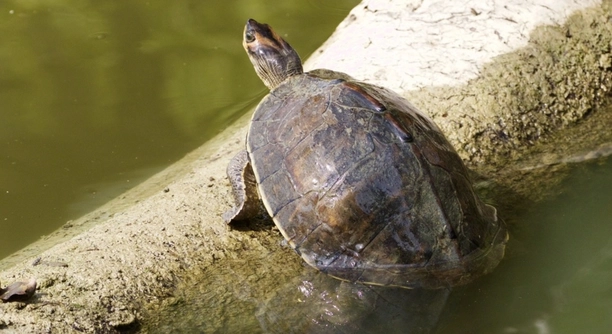
Training your Indian Roofed Tortoise to eat from your hand can be a rewarding experience. It requires patience, consistency, and an understanding of your pet’s needs. This process strengthens the bond between you and your tortoise.
To train an Indian Roofed Tortoise to eat from your hand, begin by offering food near them. Gradually move the food closer until they are comfortable eating directly from your fingers. Patience is key during this process.
Learning how to properly train your tortoise will make feeding time more enjoyable for both of you. Gaining their trust can lead to a closer connection with your pet.
Understanding Your Indian Roofed Tortoise’s Behavior
Indian Roofed Tortoises are naturally shy animals, which makes them hesitant around new experiences or unfamiliar people. They usually prefer to stick to their routine and may avoid interactions at first. When training them to eat from your hand, you need to respect their pace. Start by observing their body language and notice if they’re more active or curious at certain times of the day. Offering food during these times can make them feel more comfortable. Also, avoid sudden movements that could startle them. Patience is important as they are not accustomed to human interaction as some other pets. Over time, they will begin to associate your presence with food, and this trust can lead to them accepting food from your hand.
This process takes time, so be patient with your tortoise. Gradually, they will get used to your presence and feel more comfortable approaching your hand.
It’s essential to ensure the food you’re offering is appropriate for their diet. Some tortoises are picky eaters, so a variety of leafy greens or fruits can encourage them to approach. Once your tortoise starts moving closer, offer the food gently, holding it low to the ground. This positioning helps them feel at ease. Never force food into their mouths as this can make them anxious and hinder progress. Over time, with consistency and positive reinforcement, your tortoise will feel more comfortable eating from your hand. Be patient, as this behavior can take weeks to develop.
Setting Up the Right Environment
Creating the right environment for your Indian Roofed Tortoise is crucial. A quiet, stress-free setting can make training easier and faster.
Make sure the area where you train them is calm and free from loud noises or distractions.
Building Trust with Your Tortoise
Building trust with your tortoise involves consistent, positive interactions.
Start by offering food regularly but without forcing them to take it from your hand. Gradually, they’ll associate your presence with positive experiences. Don’t rush the process, as forcing it may cause stress. Let your tortoise decide when they feel ready to move closer to you. Over time, they will get more comfortable with your hand offering food. This is key to strengthening your bond. Remember, every small step forward is progress, so celebrate those moments.
The goal is to build a strong bond based on trust, not just feeding them. Trust helps them feel safe in your presence, and once they trust you, they will begin to approach you more confidently. Offering treats will help reinforce this relationship. Try using fresh leafy greens or their favorite fruits as rewards. It’s important to remain calm and gentle, allowing your tortoise to feel that they are in control of the situation. Let them eat at their own pace, and avoid making sudden movements that could disrupt the bond you’re creating.
Using Positive Reinforcement
Positive reinforcement is the best way to encourage your tortoise to eat from your hand.
Each time your tortoise moves closer or shows interest in the food you’re offering, reward them with praise or a gentle pet on the shell. Positive reinforcement helps them learn that approaching you results in good things. This process should be slow and steady, allowing your tortoise to feel that they are in control of their choices. Over time, they will start to associate your hand with safety and nourishment. Remember, patience is essential.
Every interaction with your tortoise can build trust, but consistency is key. After they start eating from your hand, continue offering food regularly to reinforce the behavior. Avoid pushing them to take food if they are not ready. If you notice them retreating or showing signs of stress, back off and give them space. This ensures they continue to associate you with positive experiences and will make the training process smoother. Never rush your tortoise to ensure you don’t lose the trust you’ve worked hard to build.
Patience is Key
Patience is essential in training your tortoise to eat from your hand.
Rushing the process can create stress and slow progress. Give your tortoise the time they need to adjust. Some may take longer than others to feel comfortable, so it’s important to respect their pace.
Proper Food Handling
Always handle food properly to keep it fresh and enticing.
Offering food that is clean and fresh encourages your tortoise to come closer. Remove any wilted leaves or overripe fruit. Tortoises are more likely to approach food that looks appetizing and smells fresh. This increases the chances of them eating directly from your hand.
FAQ
How long does it take for my tortoise to eat from my hand?
The time it takes for your tortoise to eat from your hand depends on their individual personality and comfort level. Some tortoises may start eating from your hand within a few days, while others could take several weeks or even longer. The most important factor is patience. Don’t rush the process; allow your tortoise to approach you at their own pace. With consistent, gentle efforts, they’ll learn to associate you with food and trust you. Keep your training sessions short and stress-free to help them feel more comfortable.
What if my tortoise seems scared or avoids my hand?
If your tortoise seems scared or avoids your hand, don’t worry. This is a common response, especially with a shy or new tortoise. Give them some space and let them get used to your presence. Avoid forcing them to take food from your hand. Try offering food from a distance and slowly move it closer as they show interest. Be patient and keep interactions calm. Over time, your tortoise will start associating your presence with something positive—food.
Can I train my tortoise if they are already an adult?
Yes, you can train an adult tortoise to eat from your hand. While it may take longer compared to a younger tortoise, adult tortoises are still capable of forming trust and bonds with their owners. Start by offering food in a quiet and stress-free environment. Be patient and consistent, and allow them to come closer on their own. Over time, they’ll begin to trust you and feel more comfortable eating from your hand.
Should I always feed my tortoise by hand?
While feeding your tortoise by hand can be a great way to bond, it shouldn’t be your sole method of feeding. Tortoises should also have access to food in their enclosure, as they are naturally foragers. Hand feeding should be used as a tool for training and building trust, not as a primary feeding method. Always ensure your tortoise has a balanced diet and plenty of food available in their habitat.
What types of food should I use to train my tortoise?
Using your tortoise’s favorite foods is a good way to encourage them to eat from your hand. Leafy greens like romaine lettuce, dandelion greens, and collard greens are popular choices. You can also try offering fruits like strawberries, bananas, or melon as treats. The food should be fresh and free of pesticides. Ensure that it’s safe for your tortoise species, as some foods can be harmful.
How do I know if my tortoise is ready to eat from my hand?
Your tortoise will show signs that they are ready to eat from your hand when they start to approach the food you offer without hesitation. Look for behaviors like curiosity or increased activity when you are near them with food. If they appear calm and are not retreating or hiding, it’s a good indication that they are becoming more comfortable with you.
Should I leave food in the enclosure or only feed by hand?
It’s best to offer food both in the enclosure and by hand. While hand feeding helps build trust, tortoises are natural foragers and need to explore their environment for food. Always make sure there is food available in their habitat to encourage healthy, natural eating habits. Hand feeding should complement their regular feeding routine, not replace it.
Can I train my tortoise to eat from my hand even if they are not very social?
Yes, even if your tortoise is not very social, with time and patience, you can train them to eat from your hand. Some tortoises are naturally more reserved, but they can still be trained with consistency and positive reinforcement. Start by offering food near them and slowly move it closer as they become more comfortable. Respect their pace and avoid forcing interactions. Building trust takes time, but it’s possible for all tortoises, no matter their social tendencies.
What are the signs that my tortoise is stressed during training?
Signs of stress in tortoises can include rapid retreat into their shell, refusing to eat, heavy breathing, or pacing in their enclosure. If your tortoise is showing these signs during training, take a step back and give them more space. Stress can make the training process slower, so it’s essential to go at your tortoise’s pace. Keep the environment calm and avoid forcing any interactions.
Is it okay to hand-feed my tortoise treats?
Hand-feeding treats can be a great way to strengthen your bond with your tortoise. However, treats should be offered sparingly to prevent overfeeding and to ensure they maintain a balanced diet. Use fruits or high-fiber greens as treats and avoid offering them too frequently. Ensure treats are appropriate for their species and won’t cause digestive issues.
Final Thoughts
Training your Indian Roofed Tortoise to eat from your hand is a rewarding process that takes patience and consistency. While it might take time for them to feel comfortable enough to approach you, it’s important to let them move at their own pace. Each tortoise has its own personality, and some may be more social than others. The key is creating a calm, safe environment where they can feel secure and build trust with you. By offering food regularly and remaining patient, you’ll gradually help your tortoise become more comfortable with eating directly from your hand.
Remember that hand-feeding is just one way to bond with your tortoise. It’s important not to rely solely on hand-feeding but to also provide them with food in their enclosure. Tortoises are natural foragers and should have access to food at all times. Offering a variety of fresh foods, such as leafy greens and occasional fruits, can encourage your tortoise to stay healthy and happy. Hand-feeding can strengthen the bond between you and your tortoise, but always ensure they have a well-rounded diet.
Patience is truly the most important aspect of this process. Every tortoise is different, and some may take longer than others to eat from your hand. It’s easy to become frustrated if you don’t see quick results, but by keeping the experience positive and stress-free, your tortoise will eventually learn to trust you. If your tortoise seems hesitant or fearful, give them space and try again later. In the end, building trust with your tortoise is the most important part of the training, and the bond you form will make the experience all the more rewarding.

Hello,
If you enjoy the content that we create, please consider saying a "Thank You!" by leaving a tip.
Every little bit helps us continue crafting quality advice that supports the health, happiness, and well-being of pets around the world, for pets of all shapes, sizes, and species.
We really appreciate the kindness and support that you show us!