
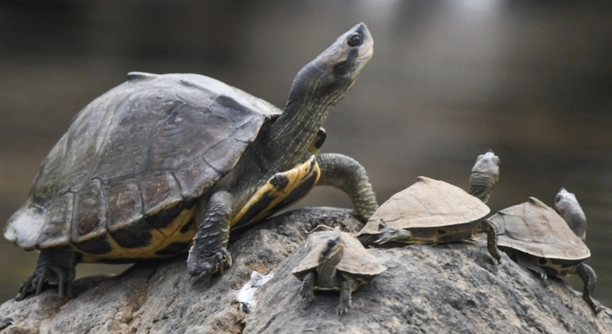
Indian Roofed Tortoises are popular pets, known for their calm nature and fascinating behaviors. Choosing the right substrate for them is essential to their health and comfort. This article highlights safe substrate options and what to avoid.
The best substrates for Indian Roofed Tortoises are those that promote a healthy environment, including moisture control, proper temperature regulation, and ease of cleaning. Safe options include coconut coir, orchid bark, and clean soil, while unsuitable choices can harm the tortoise’s health.
Finding the perfect substrate is crucial for your tortoise’s well-being, ensuring they stay comfortable and safe in their habitat.
Why Substrate Matters for Indian Roofed Tortoises
The right substrate is essential for creating a healthy and comfortable environment for your Indian Roofed Tortoise. It impacts everything from temperature regulation to moisture levels and overall comfort. A poor choice can lead to stress or even health problems. For instance, if the substrate holds too much moisture, it could cause skin issues or respiratory problems. On the other hand, if it dries out too quickly, it can lead to dehydration. Additionally, tortoises often burrow in their substrate, so it must be soft and stable enough to allow natural behavior. Selecting a suitable substrate is one of the first steps to maintaining your tortoise’s well-being.
A suitable substrate will help maintain a stable temperature and humidity, allowing your tortoise to feel secure and thrive in its habitat.
The right material also helps with waste management. A clean and dry substrate makes cleaning easier and keeps your tortoise’s space more hygienic. Always opt for substrates that are safe, non-toxic, and provide a stable base. Materials like coconut coir and organic topsoil are popular choices because they are not only safe but also allow for some moisture retention, which is beneficial for your tortoise’s skin health. Avoid substrates that could cause sharp edges, mold growth, or harmful chemicals.
Safe Substrates for Indian Roofed Tortoises
Coconut coir is one of the safest and most commonly used substrates for tortoises.
This material comes from the husk of coconuts and is both absorbent and lightweight. It holds moisture well, helping to maintain humidity levels while allowing your tortoise to burrow naturally. The texture is soft and gentle, which means there’s little chance of injury, making it ideal for tortoises that love to dig and explore. Coconut coir is also eco-friendly, as it’s a natural, renewable resource.
Another safe option is orchid bark. Like coconut coir, orchid bark is soft and absorbs moisture effectively. It’s also lightweight and allows for airflow, making it less likely to develop mold. When using orchid bark, make sure to check that it is free from pesticides or chemicals, as these can harm your tortoise. Combined with a humidity and temperature monitor, orchid bark provides a stable environment for your Indian Roofed Tortoise.
What to Avoid When Choosing Substrate
Certain materials should be avoided when selecting substrate for your tortoise.
Sand is a common but poor choice. It may look natural, but it can cause digestive issues if ingested. Tortoises tend to accidentally eat sand while feeding or drinking, leading to impaction. This can result in blockages in their intestines and lead to serious health problems. Even if the sand is mixed with other materials, the risk remains.
Another material to avoid is cedar or pine wood shavings. These types of wood contain oils that are toxic to tortoises and can cause respiratory issues. The scent and oils in these shavings can irritate the respiratory system and damage sensitive tissues in your tortoise’s nose and eyes. It’s important to choose substrates that are free from any potentially harmful chemicals or oils.
Maintaining Proper Humidity Levels
Humidity plays a significant role in keeping your tortoise healthy.
If the substrate doesn’t retain enough moisture, the air in the enclosure will become too dry. This can cause your tortoise’s skin to dry out, which is uncomfortable and unhealthy. Maintaining proper humidity helps your tortoise maintain a healthy skin and respiratory system. Using a substrate like coconut coir or sphagnum moss will help retain moisture, especially in dry climates.
Humidity levels should be monitored regularly. Too much humidity can lead to mold growth and respiratory problems, while too little can cause dehydration. Use a hygrometer to keep track of the humidity and make adjustments as needed. Keep the substrate slightly moist, but not overly wet, to create the right balance for your tortoise’s comfort.
How to Clean Substrate Effectively
Regular cleaning of the substrate keeps your tortoise’s habitat healthy.
Remove any waste daily to prevent bacteria buildup. Spot clean the substrate by replacing soiled areas, especially where food or waste has accumulated. Full substrate changes should happen every few weeks, depending on how much waste accumulates.
Cleaning helps maintain good hygiene and reduces the chance of respiratory problems or skin infections. Rinse reusable substrates like coconut coir thoroughly before reusing. If you use loose materials like organic topsoil, replace them entirely to prevent contamination and keep odors down.
Why Organic Topsoil Is a Good Option
Organic topsoil is an excellent choice for tortoises.
It mimics their natural environment and allows them to burrow, promoting healthy behaviors. The soil should be pesticide-free, as chemicals can be harmful. Organic topsoil retains moisture well and offers a stable base for your tortoise to roam.
It also helps maintain a stable temperature and humidity level in the habitat. Combining it with other safe substrates like coconut coir can provide a balanced environment for your tortoise’s overall health. Organic topsoil is safe, affordable, and easy to manage, making it a reliable option.
FAQ
What is the best substrate for Indian Roofed Tortoises?
Coconut coir, orchid bark, and organic topsoil are some of the best substrates for Indian Roofed Tortoises. Coconut coir is particularly favored because it retains moisture well, allows for proper burrowing, and is soft on the tortoise’s sensitive skin. Orchid bark is another good option that helps with humidity control, though it should be pesticide-free. Organic topsoil is also an excellent choice, as it mimics their natural environment. When choosing a substrate, always ensure that it is non-toxic and free of harmful chemicals to keep your tortoise safe.
Can I use sand as substrate for my tortoise?
It’s best to avoid using sand as a substrate. Sand can cause serious health problems if ingested, as it can lead to impaction in your tortoise’s digestive system. While tortoises may accidentally ingest small amounts of sand, over time, it can build up, causing blockages that are difficult to treat. Sand is also not good at retaining moisture, which can result in an overly dry environment, not ideal for your tortoise’s health. Instead, stick to softer, moisture-retaining options like coconut coir or organic topsoil.
How often should I change the substrate?
Substrate should be changed completely every 3-4 weeks, though spot cleaning should be done daily. Spot cleaning involves removing any waste or food scraps that may have been left behind. Regular spot cleaning prevents bacteria buildup and maintains a cleaner environment for your tortoise. If the substrate begins to smell or looks excessively soiled, it may need to be changed sooner. If you’re using coconut coir, it may last a bit longer, but it’s always good practice to monitor the substrate’s condition regularly to ensure it remains healthy and safe.
Is it necessary to add water to the substrate?
Yes, maintaining the right moisture level in the substrate is important for your tortoise’s health. Substrates like coconut coir or sphagnum moss benefit from a little moisture to maintain humidity, which is crucial for preventing dehydration. However, you don’t want the substrate to be soggy. The goal is to keep it slightly moist—enough to retain humidity without becoming wet or sticky. Too much moisture can lead to mold growth, while too little can dry out your tortoise’s skin. Keep an eye on humidity levels with a hygrometer and adjust as needed.
Can I use wood shavings for tortoises?
Wood shavings, especially cedar and pine, should be avoided for Indian Roofed Tortoises. These types of wood contain aromatic oils that can be toxic to reptiles, causing respiratory issues and skin irritation. They may also cause discomfort and stress for your tortoise. If you do use any type of wood shavings, make sure they are safe for reptiles and free from harmful chemicals or oils. Always opt for natural, untreated materials to ensure your tortoise’s well-being.
How do I maintain proper humidity for my tortoise?
Maintaining the right humidity is essential for your tortoise’s health. You can achieve this by selecting substrates that retain moisture, such as coconut coir or sphagnum moss. Mist the substrate lightly with water if the humidity drops too low. Be sure to monitor humidity levels using a hygrometer to avoid excessive moisture or dryness. Too little humidity can lead to dehydration, while too much can result in mold growth or respiratory issues. Find a balance that keeps your tortoise comfortable and healthy.
Is coconut coir safe for tortoises?
Yes, coconut coir is a safe substrate for Indian Roofed Tortoises. It is non-toxic, absorbent, and helps regulate humidity in their habitat. The material allows for natural behaviors like burrowing and digging, which is essential for your tortoise’s well-being. It is also easy to maintain, as it can be spot cleaned or replaced entirely every few weeks. Just be sure to avoid coir products that contain any added chemicals or fertilizers.
Can I mix substrates for my tortoise?
Yes, mixing substrates can offer the benefits of multiple materials. For example, you can combine coconut coir with organic topsoil to create a more natural and versatile environment. This mix can provide both moisture retention and a more stable base for your tortoise to explore and burrow. Just be sure to avoid using any toxic materials in the mix, and keep an eye on the humidity and moisture levels to ensure they stay balanced.
How do I know if my substrate is causing problems for my tortoise?
Signs that your substrate may be causing problems include respiratory issues, skin irritation, or an overall lack of energy. If your tortoise seems to be having trouble breathing, it could be due to dust or harmful chemicals in the substrate. If their skin looks dry, cracked, or irritated, the substrate may not be retaining enough moisture. In cases of digestive issues, consider whether the tortoise may have ingested part of the substrate, such as sand or small wood chips. Regularly monitor your tortoise’s health and the substrate’s condition, and make changes as necessary.
Can I use reptile carpet or mats as a substrate?
Reptile carpet and mats are not ideal for tortoises, as they don’t allow for natural behaviors like burrowing. While they may be easy to clean, they don’t retain moisture or support humidity, which is essential for the tortoise’s health. Over time, these materials can also lead to stress, as your tortoise may feel less comfortable in an environment that doesn’t mimic their natural habitat. Stick to substrates like coconut coir or organic topsoil for a more natural, comfortable environment.
Final Thoughts
Choosing the right substrate for your Indian Roofed Tortoise is essential for its overall health and comfort. The substrate you use not only affects the tortoise’s environment but also plays a role in its behavior, skin health, and digestive system. Materials like coconut coir, orchid bark, and organic topsoil are some of the best options because they provide moisture retention, allow for natural digging, and help maintain a balanced humidity level. When you pick the right substrate, your tortoise can live in a comfortable and safe environment that encourages healthy growth and natural behaviors. It’s important to avoid substrates like sand or cedar wood shavings, as they can cause digestive or respiratory problems.
Regular cleaning and proper moisture control are key when maintaining a healthy habitat. Spot cleaning daily and replacing the substrate every few weeks ensures that your tortoise’s living space stays hygienic and free from harmful bacteria. Humidity levels should be closely monitored, and the substrate should be slightly moist, but never soggy. Keep in mind that maintaining the right temperature and humidity will contribute to your tortoise’s overall health and comfort. Investing in a hygrometer and thermometer will help you keep track of these conditions, making it easier to create an optimal living environment.
By using the right materials and maintaining the proper conditions, you can help your Indian Roofed Tortoise thrive in its enclosure. Substrates are not just about aesthetics; they directly impact your tortoise’s well-being. It’s important to remember that the best substrate options will mimic the natural environment of the tortoise while keeping it safe from harmful substances. Whether you choose coconut coir, organic topsoil, or a mix of safe materials, always prioritize your tortoise’s health and comfort. Over time, you’ll learn what works best for your specific pet, ensuring that it remains happy and healthy for years to come.

Hello,
If you enjoy the content that we create, please consider saying a "Thank You!" by leaving a tip.
Every little bit helps us continue crafting quality advice that supports the health, happiness, and well-being of pets around the world, for pets of all shapes, sizes, and species.
We really appreciate the kindness and support that you show us!